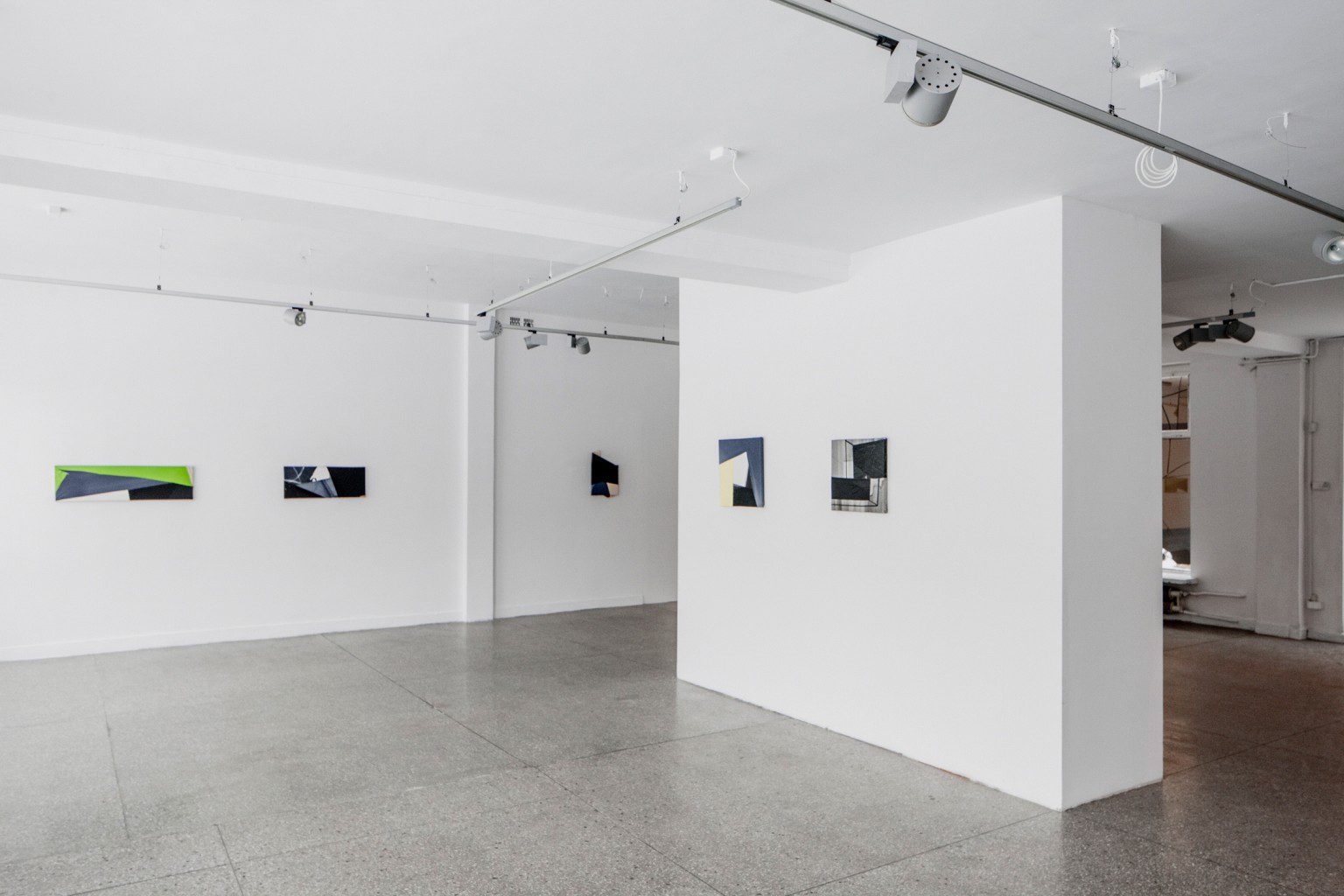
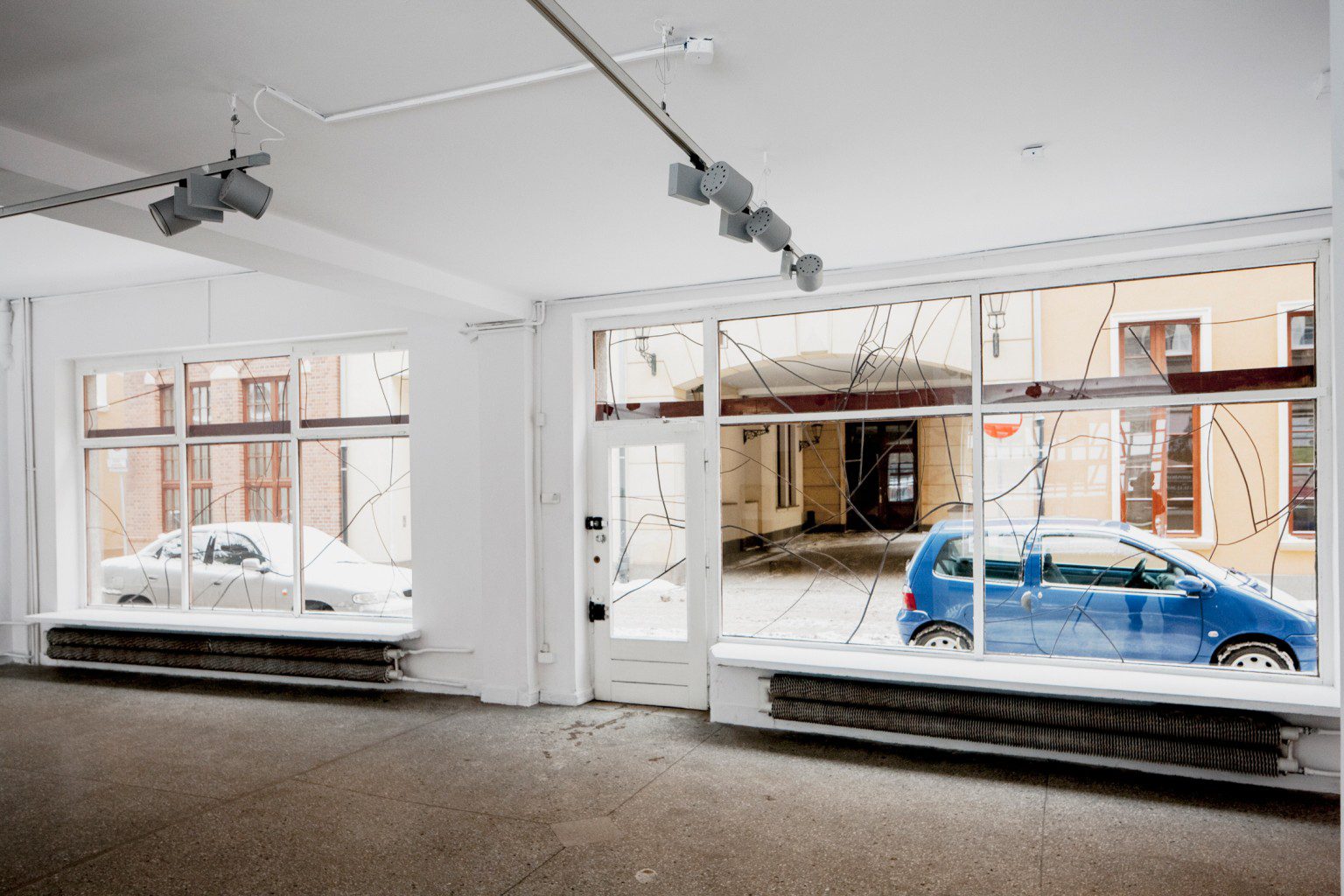
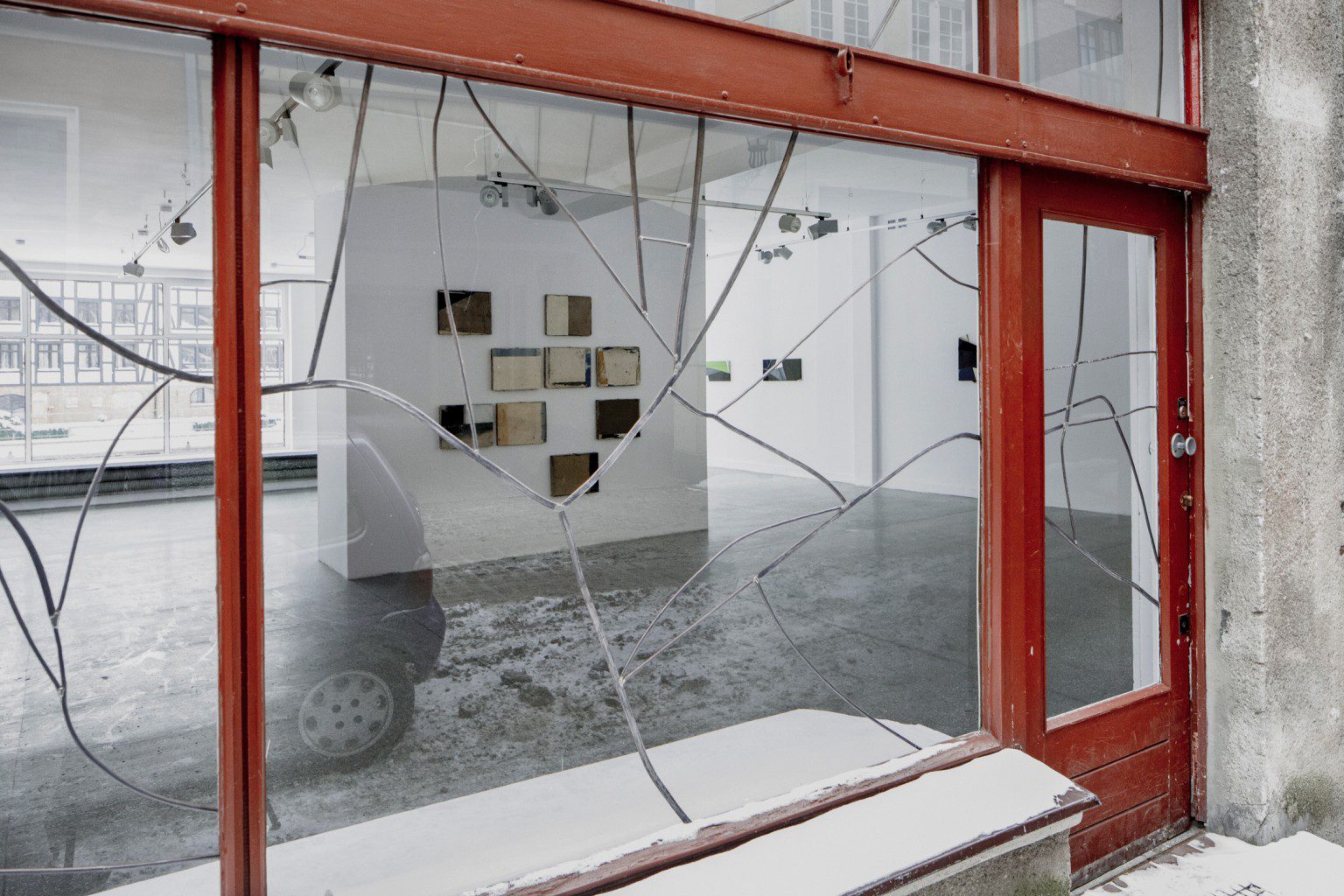
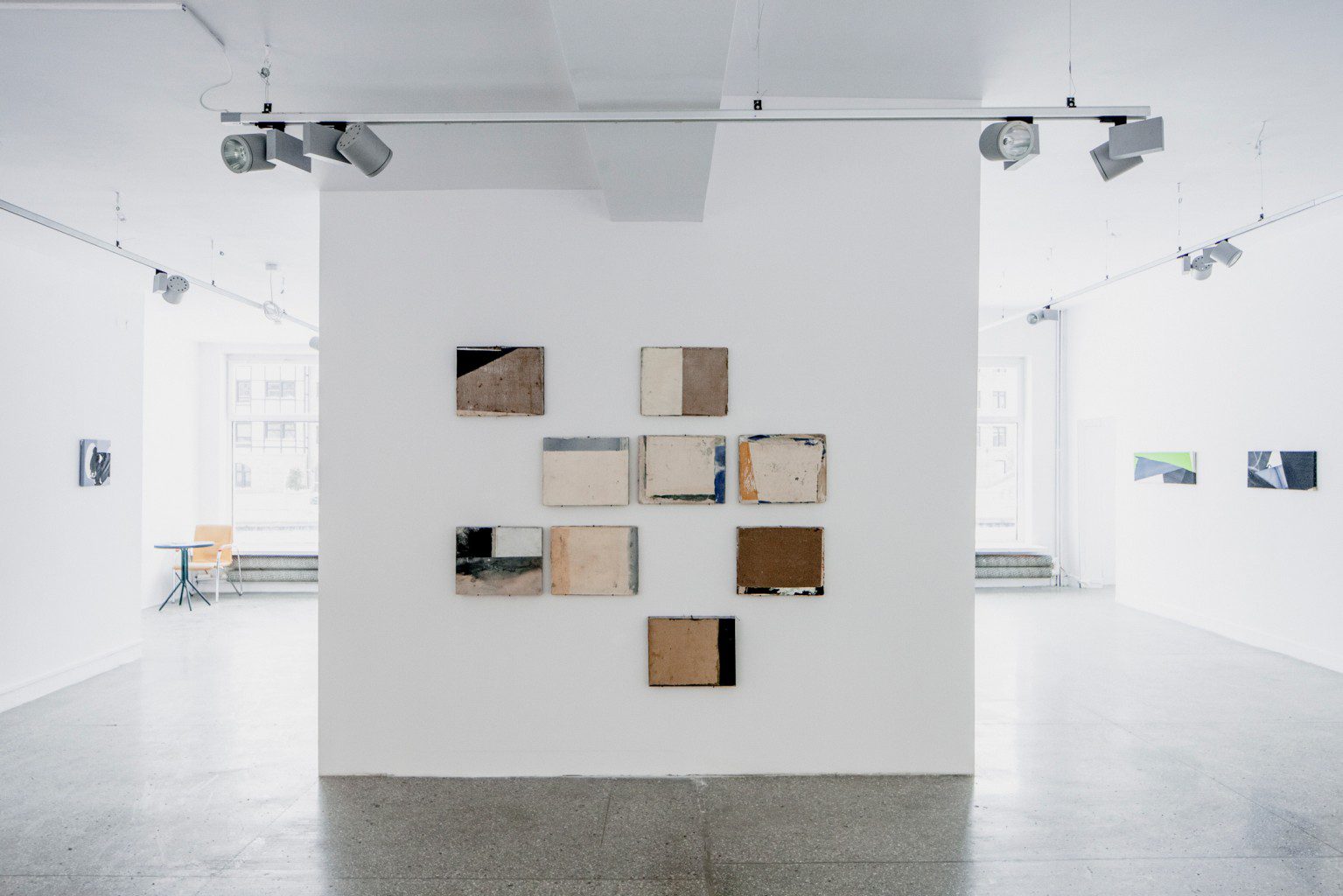
Exhibition: 24.01 – 02.03.2014
Place: Gdańsk City Gallery 2
Artists: Rafał Bujnowski + Oskar Dawicki
Opening: 23.01.2014 | 19:30
Curator: Patrycja Ryłko
The Drunkard’s Dog is an exhibition about
the relation between the dog and the drunkard,
or maybe also between the artist and art.
For sure it concerns a relation that is not always easy and bearable,
but which often involves unconditional attachment,
devotion, dependence, ongoing attempts, withdrawals and contacts, major turns, departures and returns.
The display emphasises that art needs to be made, that it is attempted – that art has both a solemn,
at times even dramatic,
but also an amusing and cynical dimension to it.
Economical with the means of expression,
the exhibition deals with private, embarrassing matters, which are at the same time incredibly intimate and often based on contradictions.
The show is not necessarily coherent as it embraces non-obvious works made on the occasion of other projects or unfinished – belonging to the artists’ output but not central to their themes.
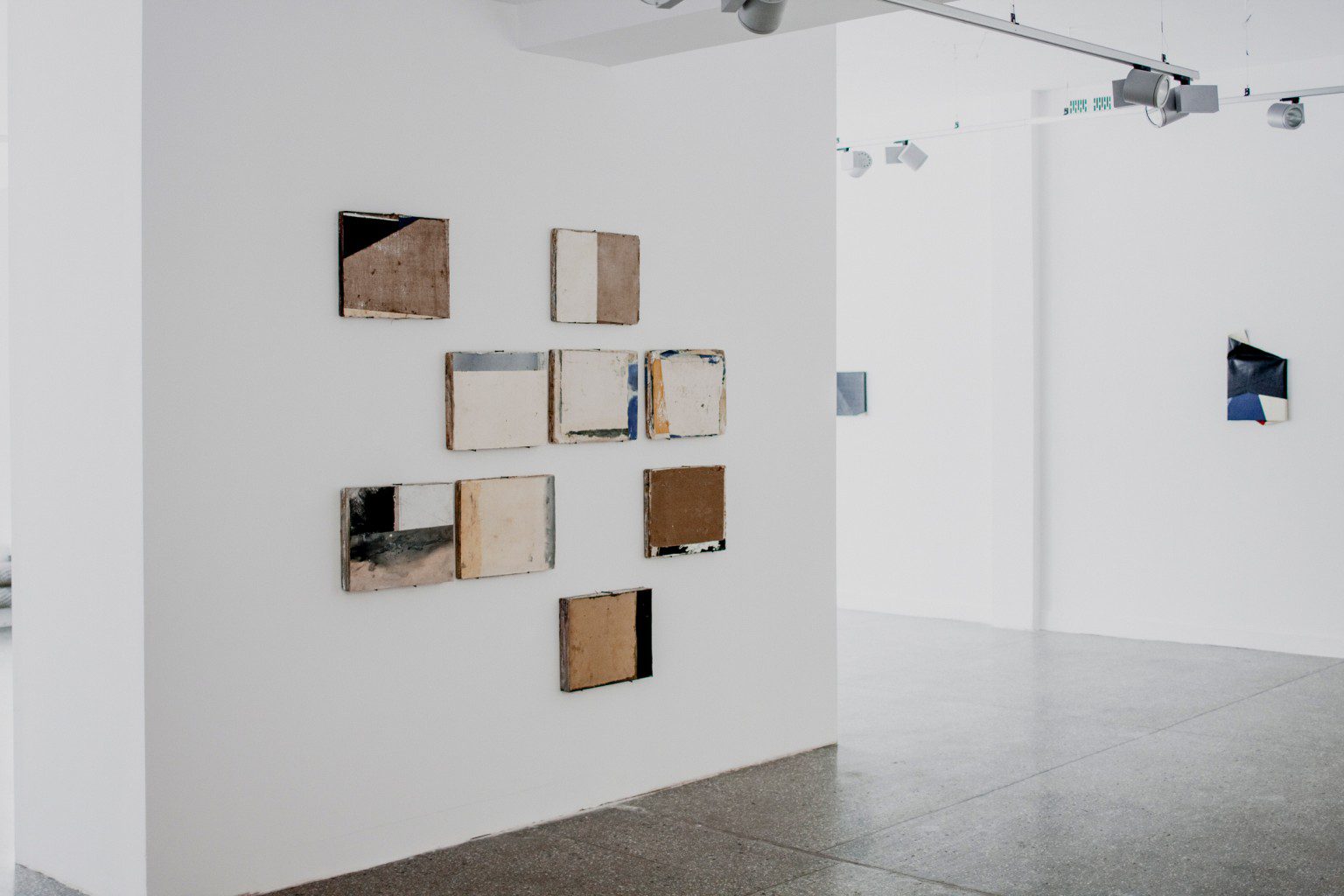
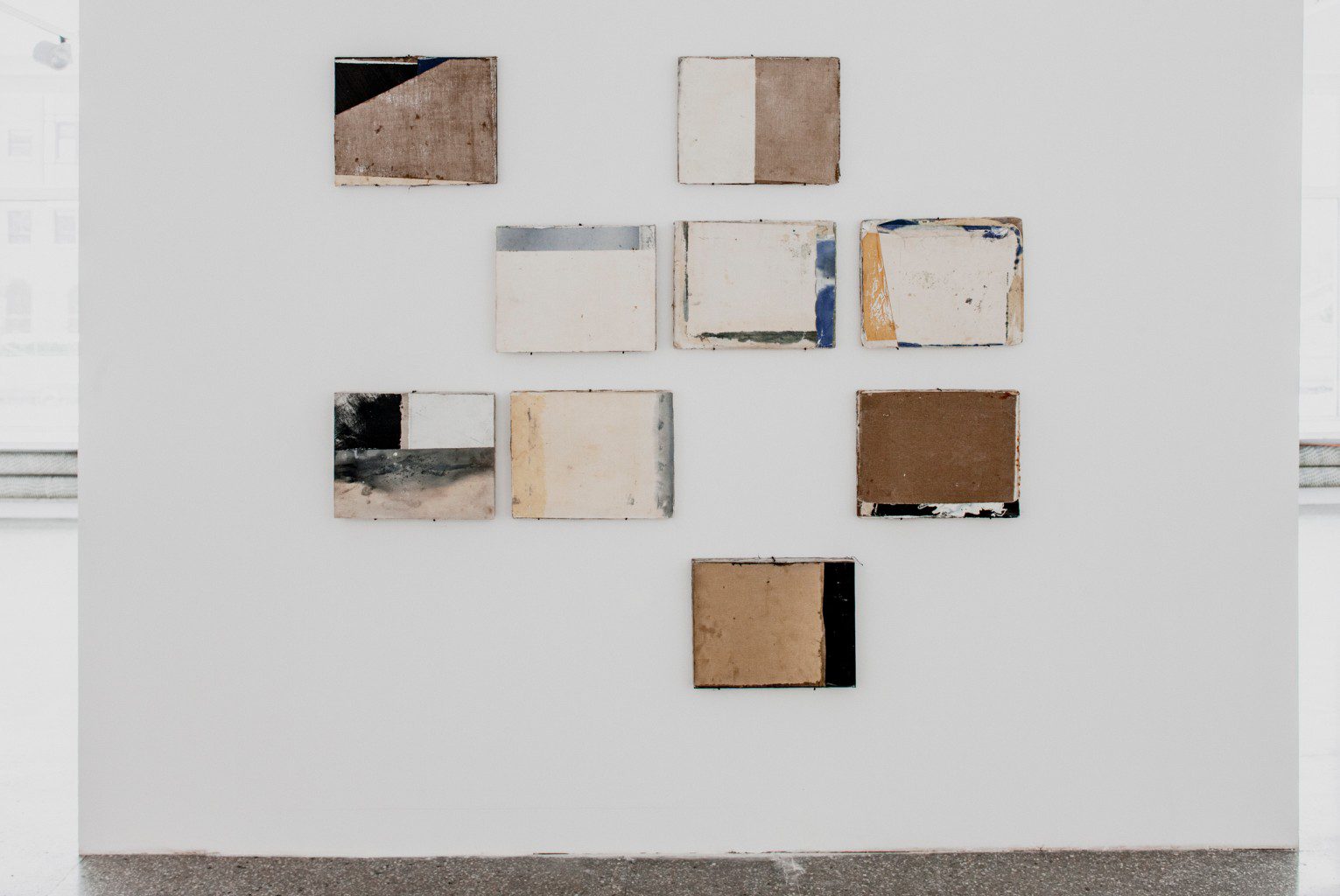
The Drunkard’s Dog uses two twin gallery spaces to display works by two artists with their own ways of facing reality.
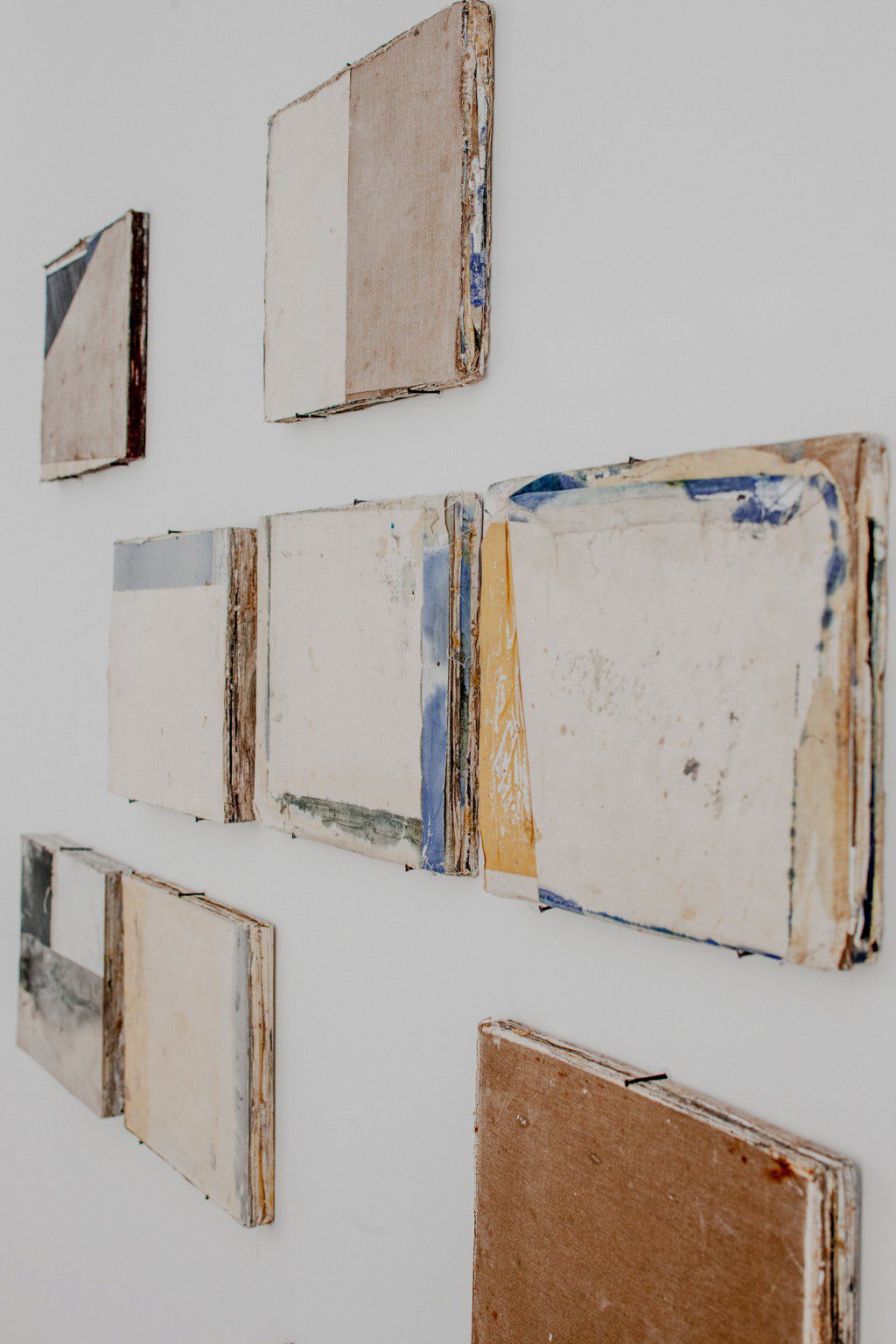
Rafał Bujnowski is one of the most radical contemporary painters. His art combines two seemingly remote spheres – painting and conceptualism. The theme of Bujnowski’s works (paintings, videos, objects or actions) are the conventions of artist’s social position, works of art, including paintings, and the conventionality of art itself. Bujnowski creates conceptual painting with full awareness, contributing with objects that reveal and change their sense depending on their surroundings. They are somewhat of models of works of art, which unveil the tension between the processes of artistic production and consumption.
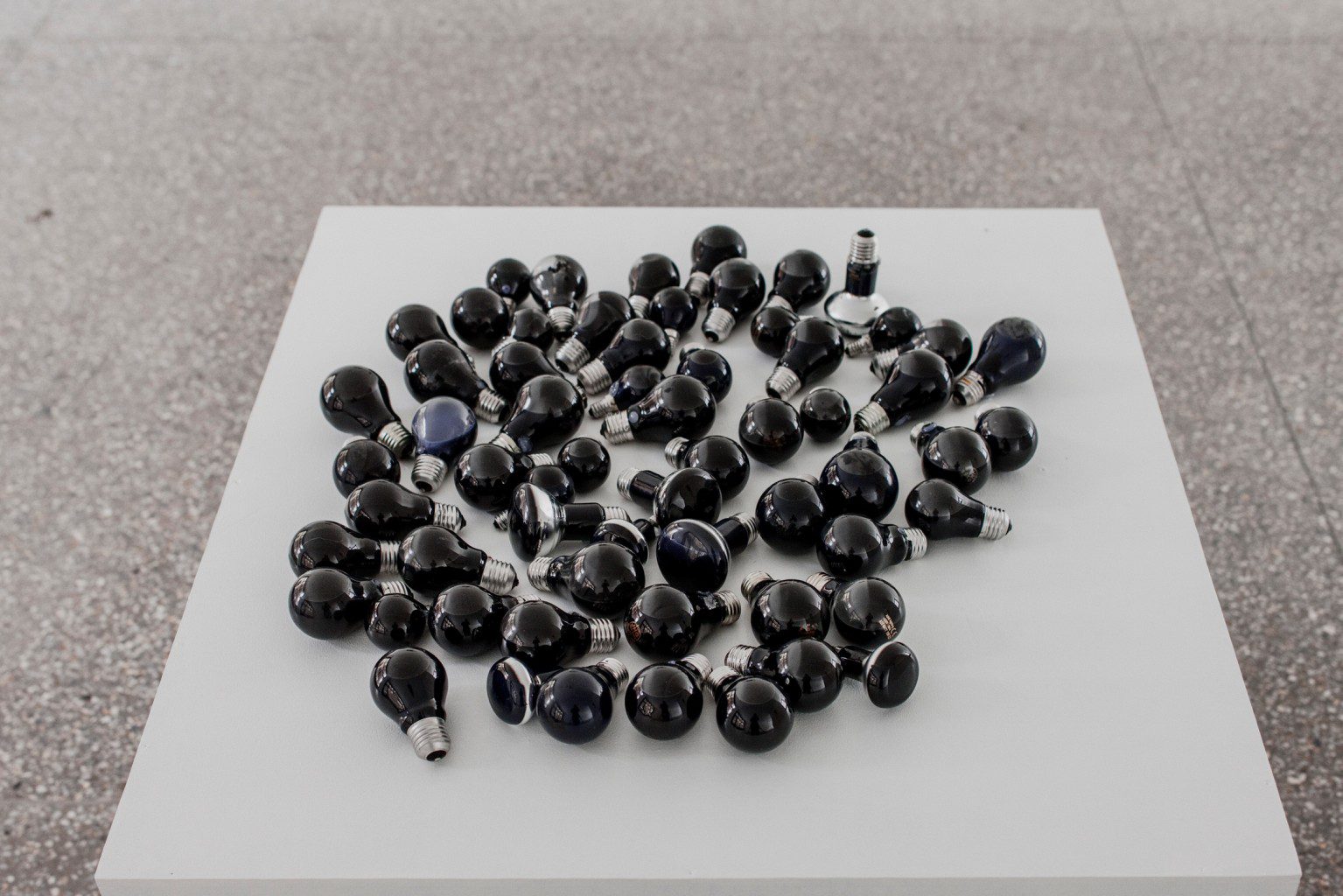
Oskar Dawicki works maintain a post-conceptual character and emanate a rather grotesque, ironic, or even absurd aura. Dawicki’s art combines a romantic-tragic component, heavily saturated with his own existential dilemmas, with the poetics and the critical dimension of conceptual art. The self-reflection on his own institutional status as a contemporary arts is interlaced with thoughts on identity, or rather its transience, arbitrariness, vagueness and weakness. Unease, misunderstanding, complication – these are the pillars of the artist’s imagination, and art’s unproductivity seems to be its most promising dimension. (r)