Place: Gdańska Galeria Miejska 2, ul. Powroźnicza 13/15
Openning: 24.05 godz. 18.00
Exhibition: 24.05–10.08.2019
Artists: Paweł Althamer, Alberto Baraya, Jarosław Fliciński, Barbora Kleinhamplová, Diana Lelonek, Honorata Martin, The Otolith Group, Ewa Partum, Slavs and Tatars, Tran Tuan and Hoang Ngoc Tu, Piotr Urbaniec
Curator: Patrycja Ryłko
Hydrofeminist cooperation: Karolina Majewska-Güde
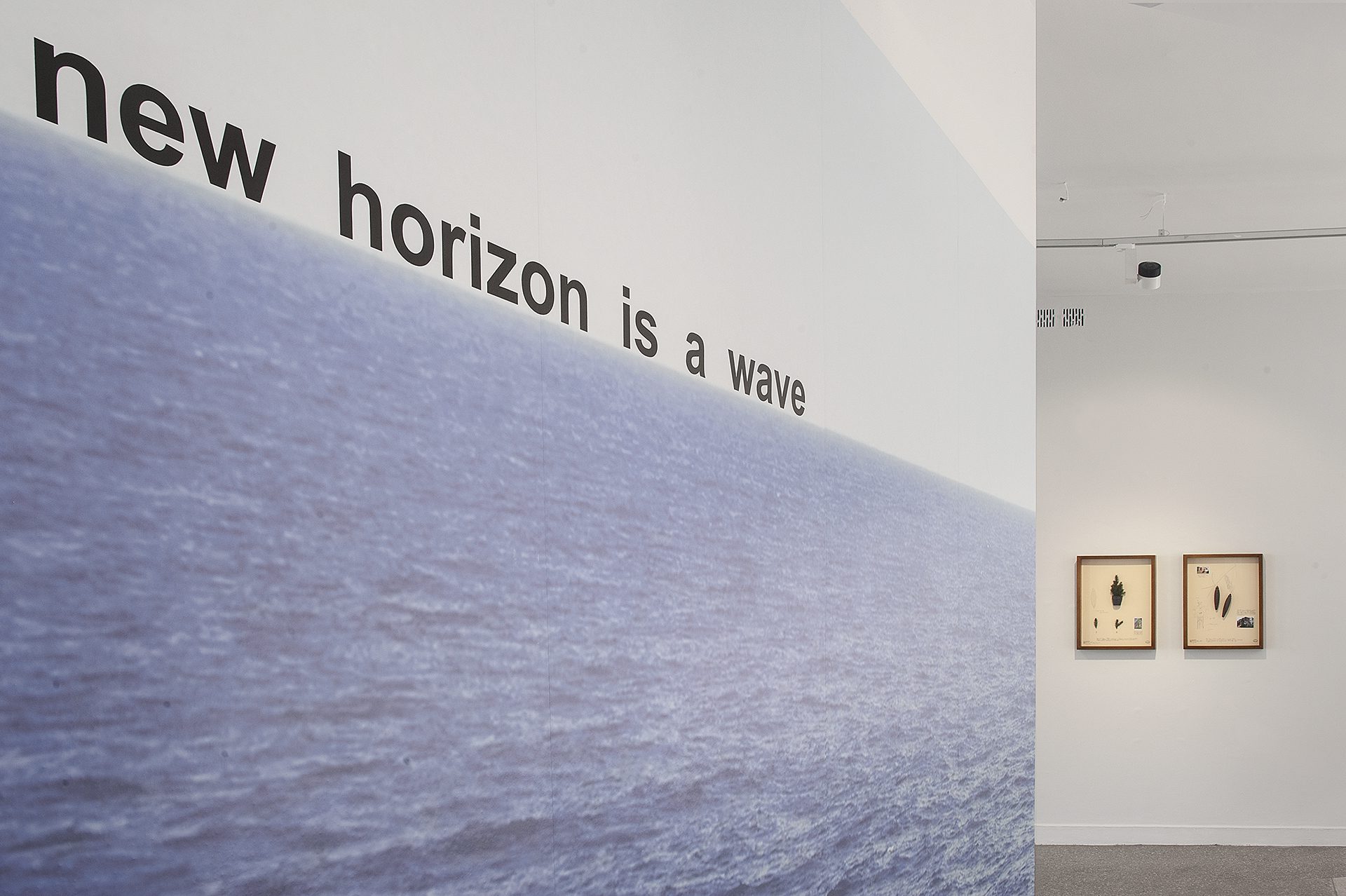
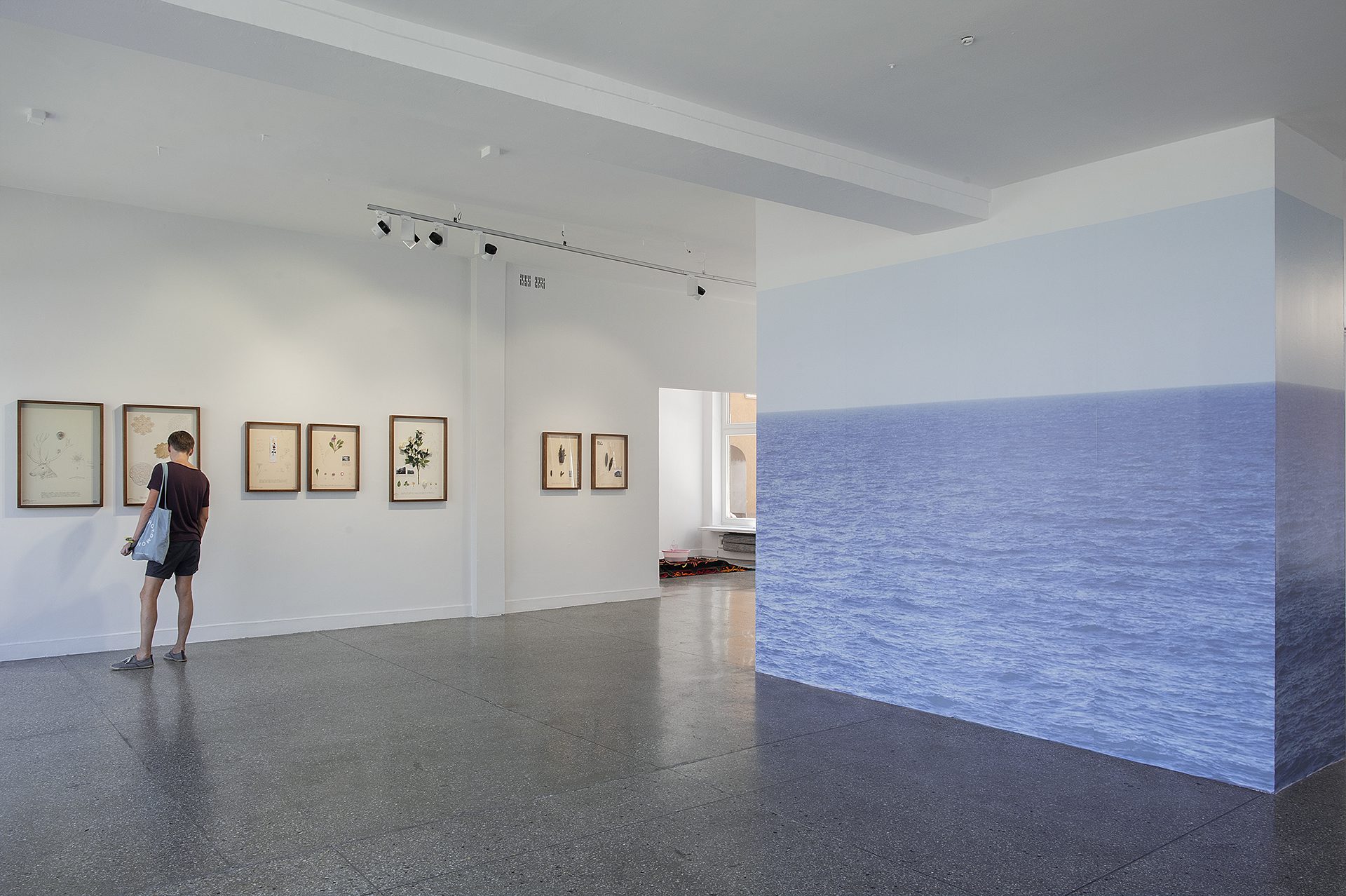
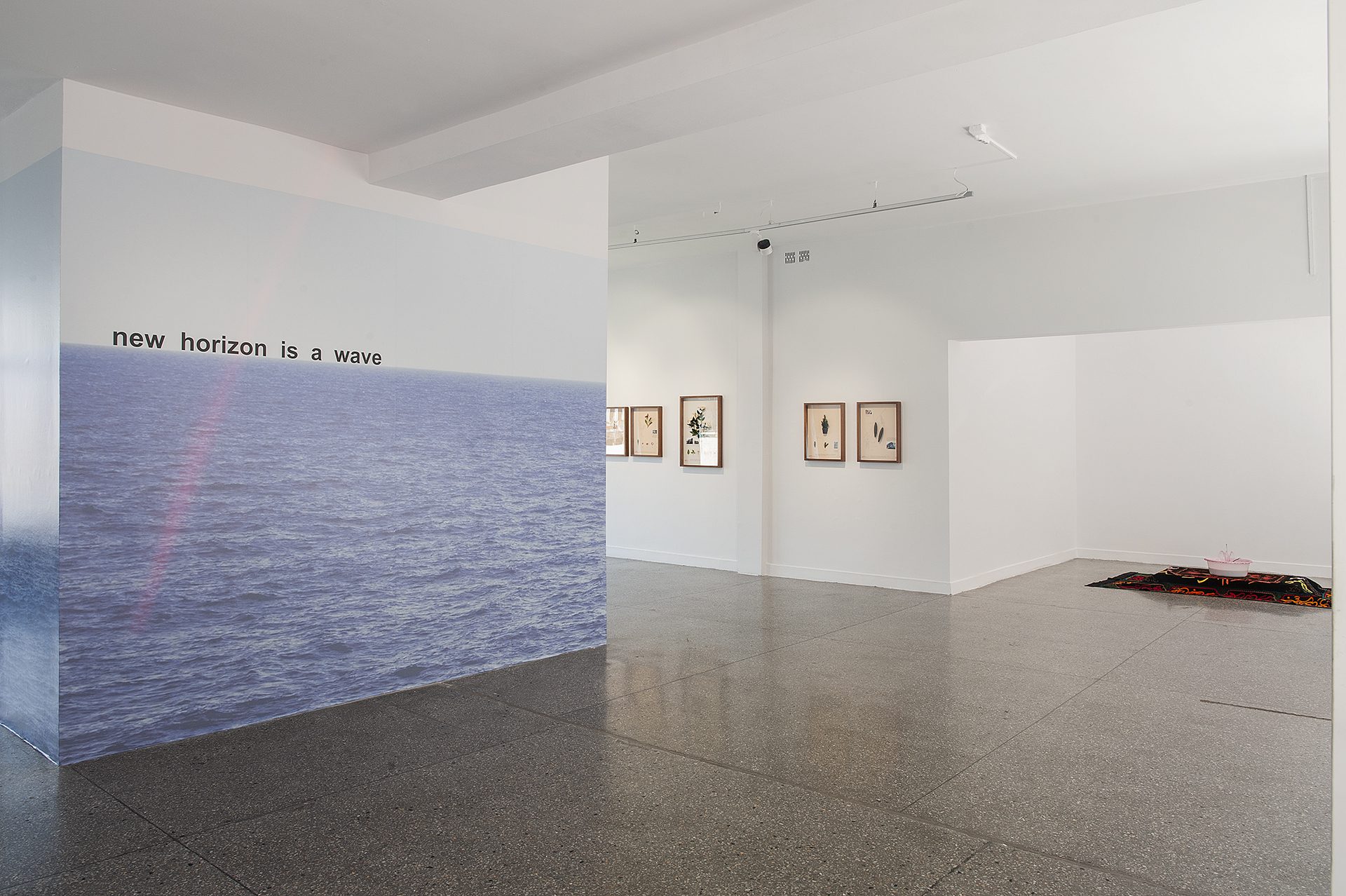
Photo: Ewa Partum, New Horizon is a Wave, 1972/2019
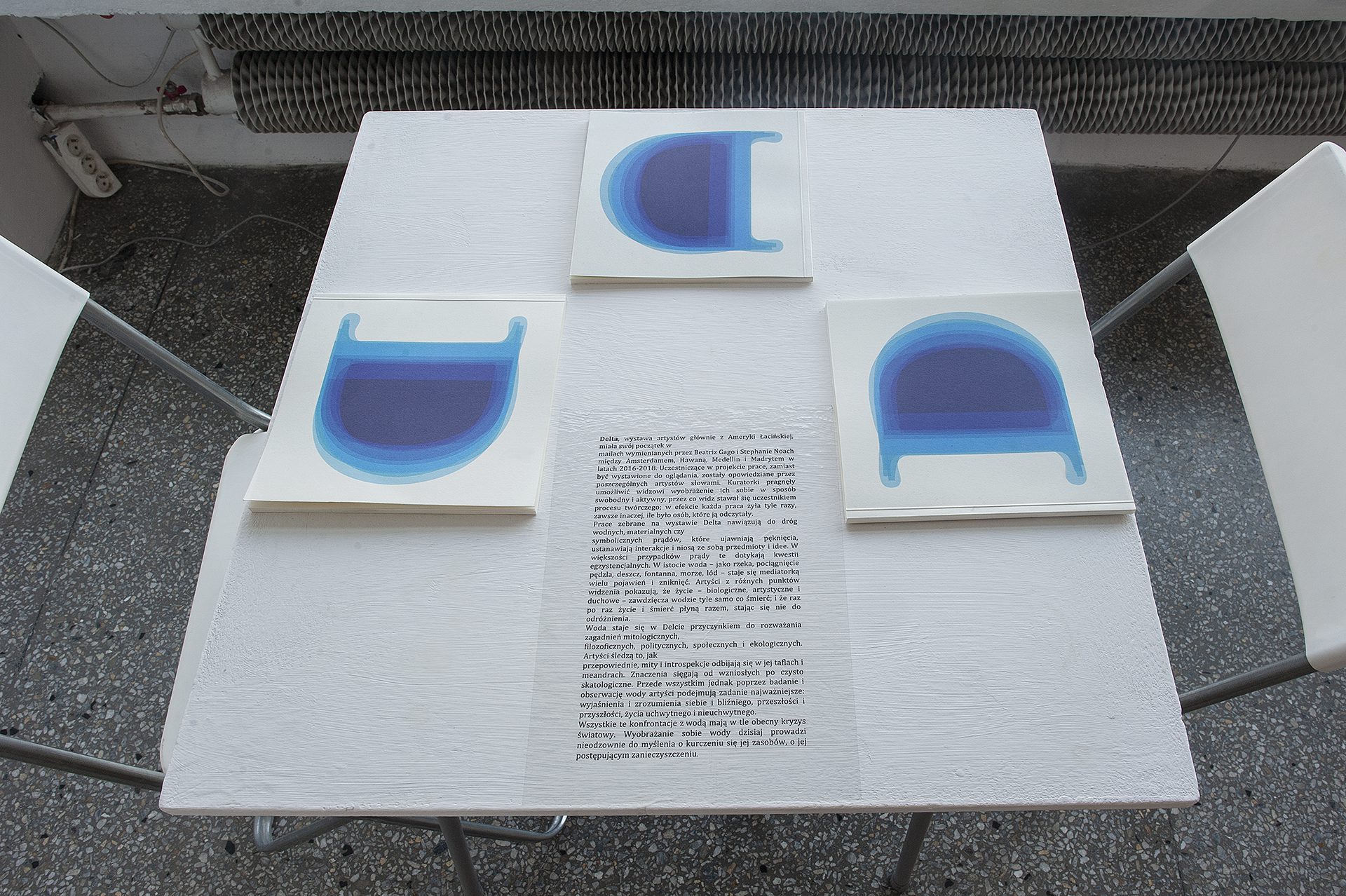
Guest – publication/exhibition:
Delta
Artists: Bas Jan Ader, Matthew Barney, Milena Bonilla, Elizabet Cerviño, Yornel Martínez, Cildo Meireles, Oscar Muñoz, Marianela Orozco, Adrienne Rich,
Ulay, Luisa Ungar, Irving Vera, José Yaque
Curators: Noach & Gago
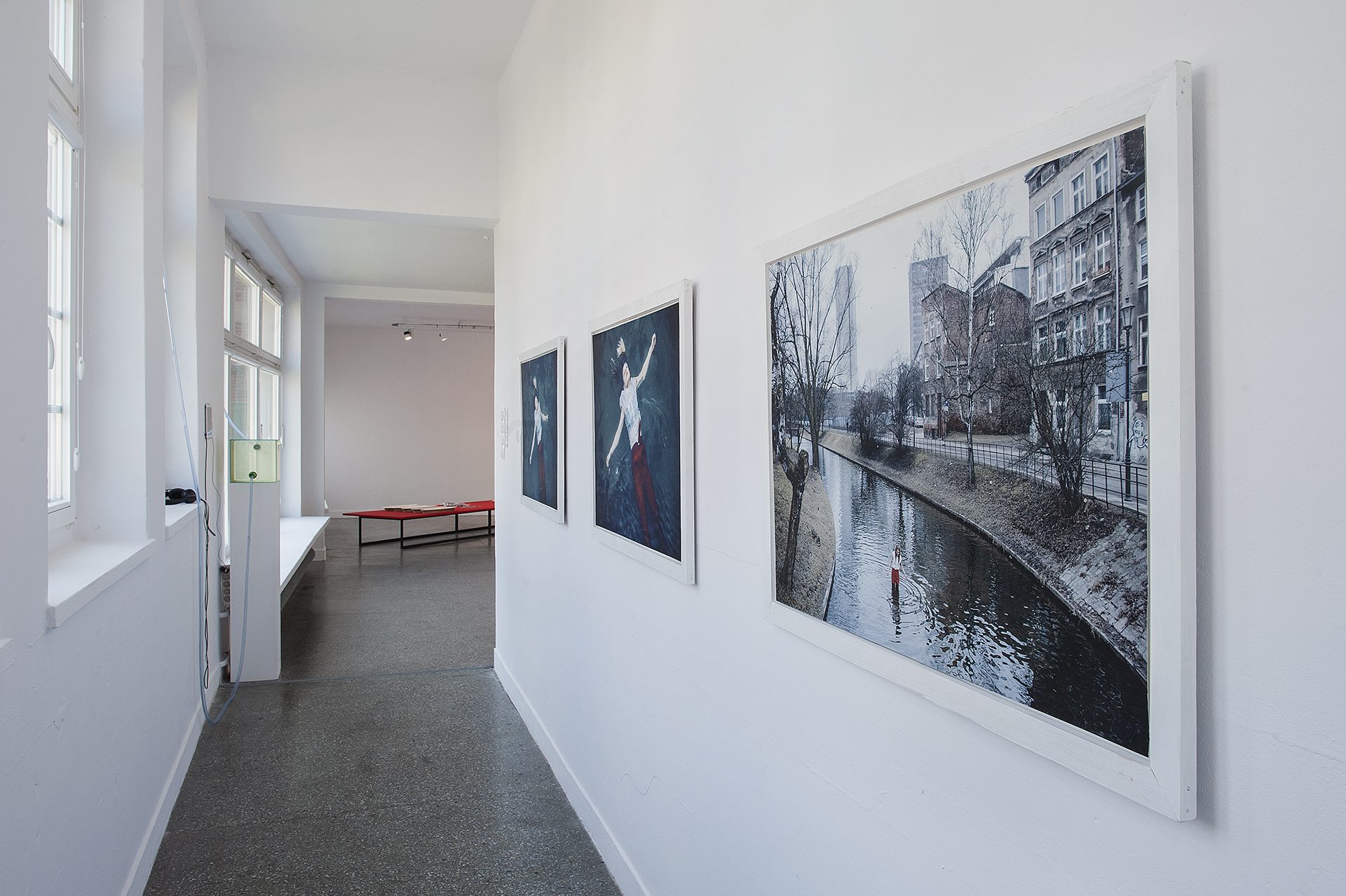
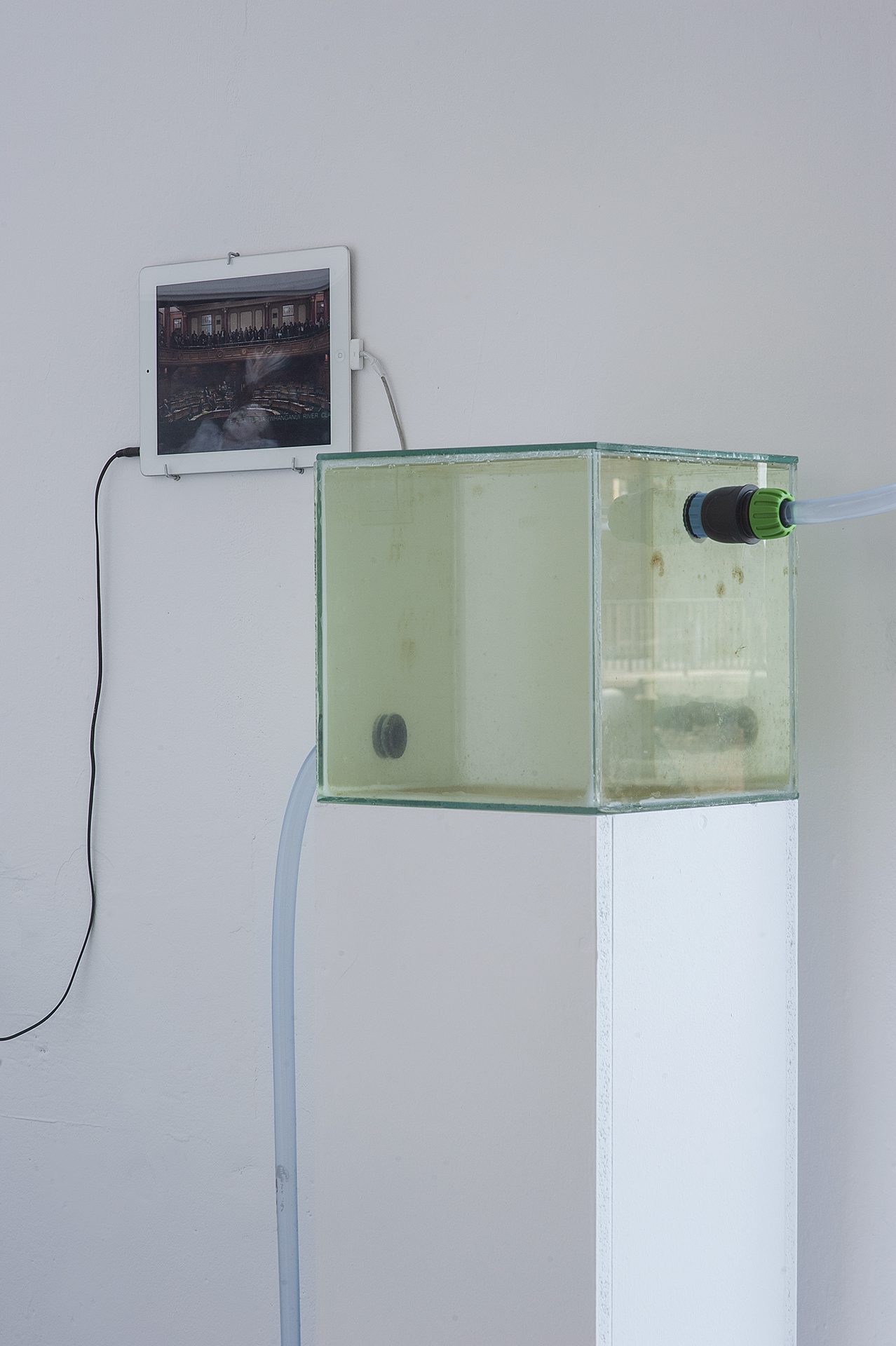
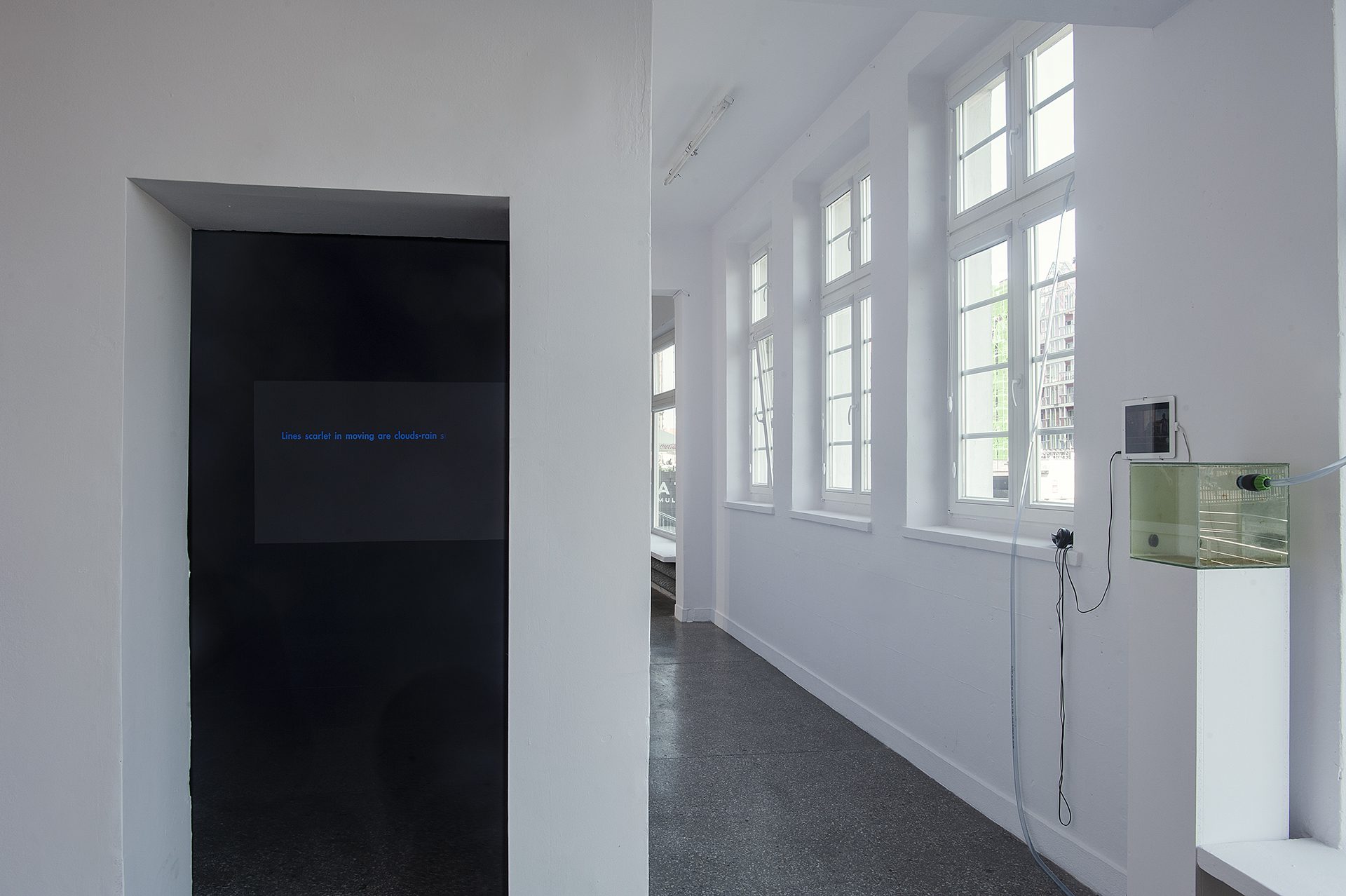
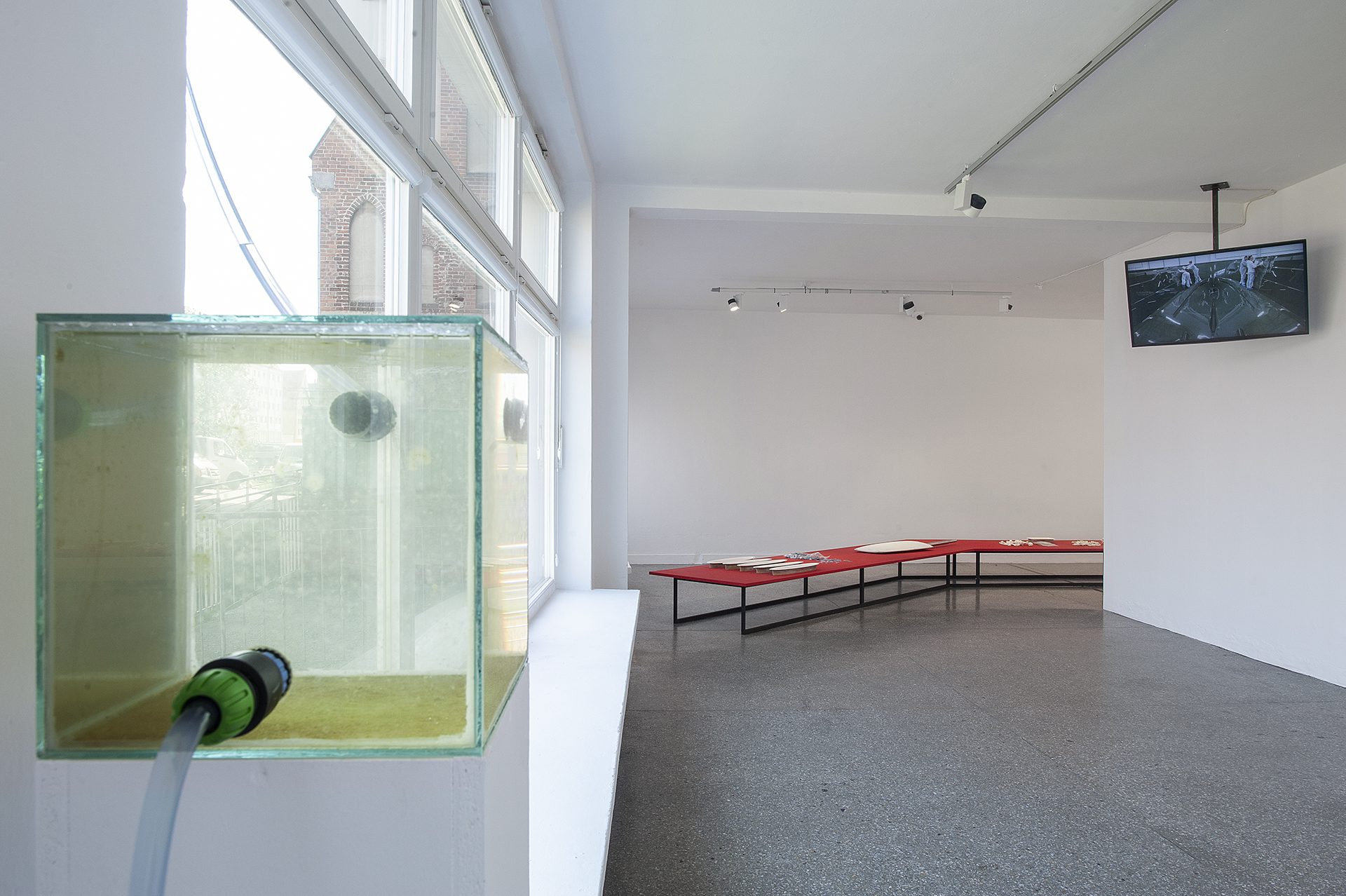
Aquosity or wateriness is not merely a physical state. As contemporary critical reflection demonstrates, it can also be an aptmetaphor of our mental condition. Beginning and End is an exhibition that relates very openly to present-day discourses concerning liquid states of consciousness as well as to post-anthropocentric philosophy where man’s place is considered in terms of coexisting with Others. It engages directly with the relational ethics of water proposed by hydrofeminism, emphasizing circulation as something that connects and makes coexistence possible.
First and foremost, water means life; both its individual beginning and its end. It was in water that life first emerged on Earth – and it is in the oceans, littered with mega-islands of trash, that its demise can be seen. That is why water has become political today. Water is also bound up with the category of liquidity, so characteristic for the world around us. All relations and narratives perhaps not so much merge as, most importantly, are mutual and reciprocal. Contemporary reflection on water and through water stresses the multifaceted, multispecies quality of the surrounding ecosystem, the specific texture of all cosmic biodiversity, where alternative, non-hierarchical forms of moving and communicating are activated.
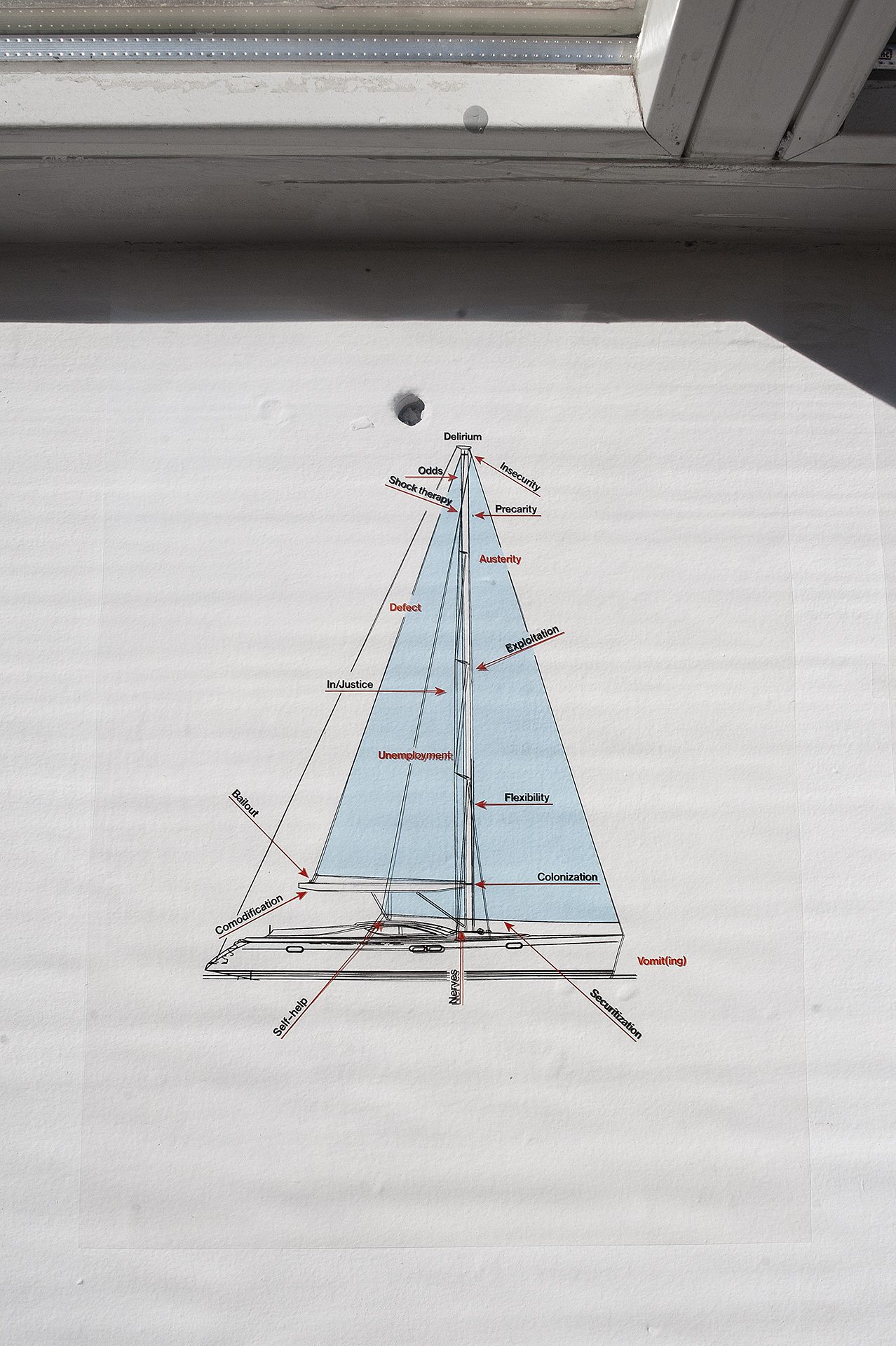
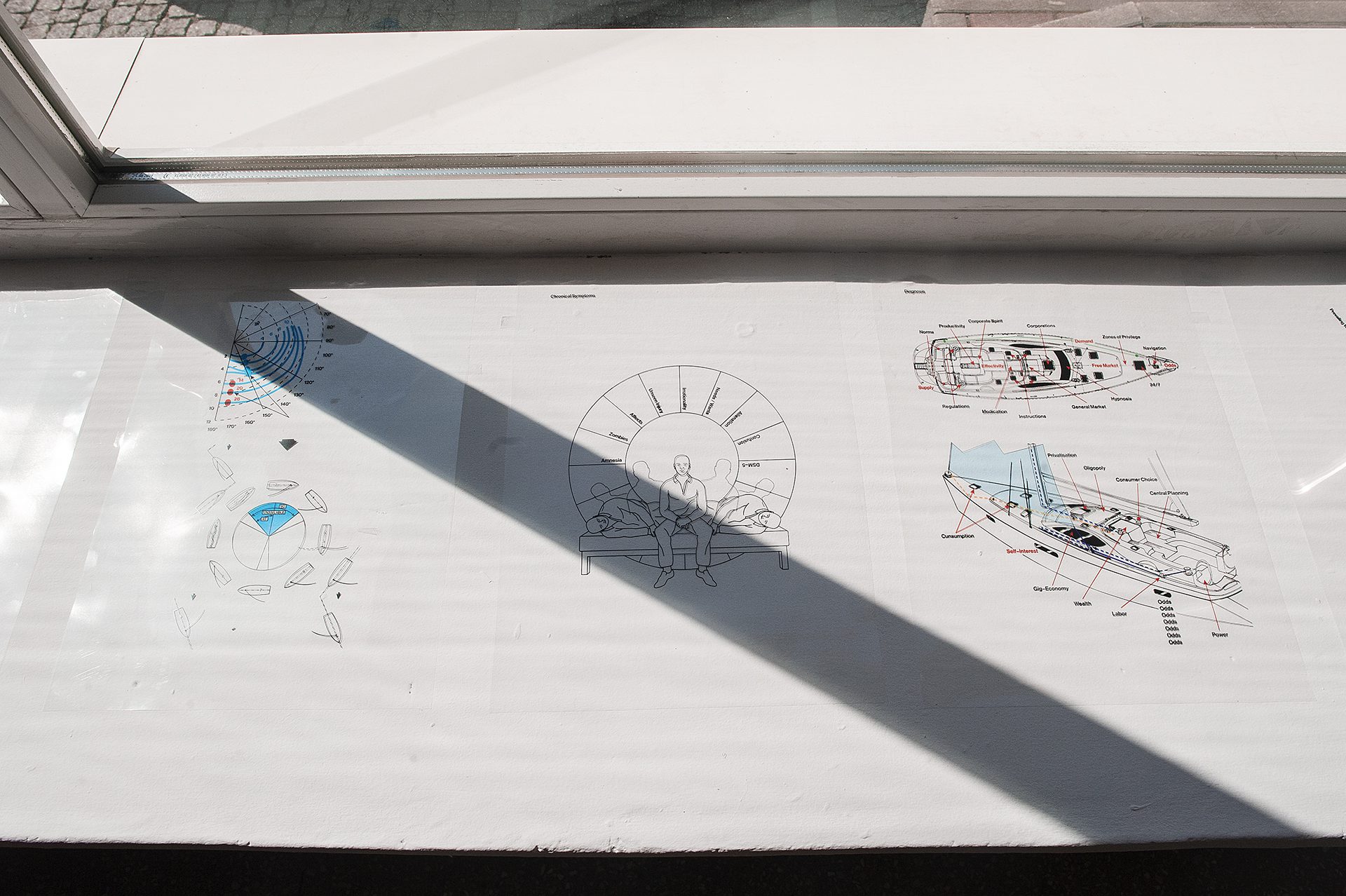
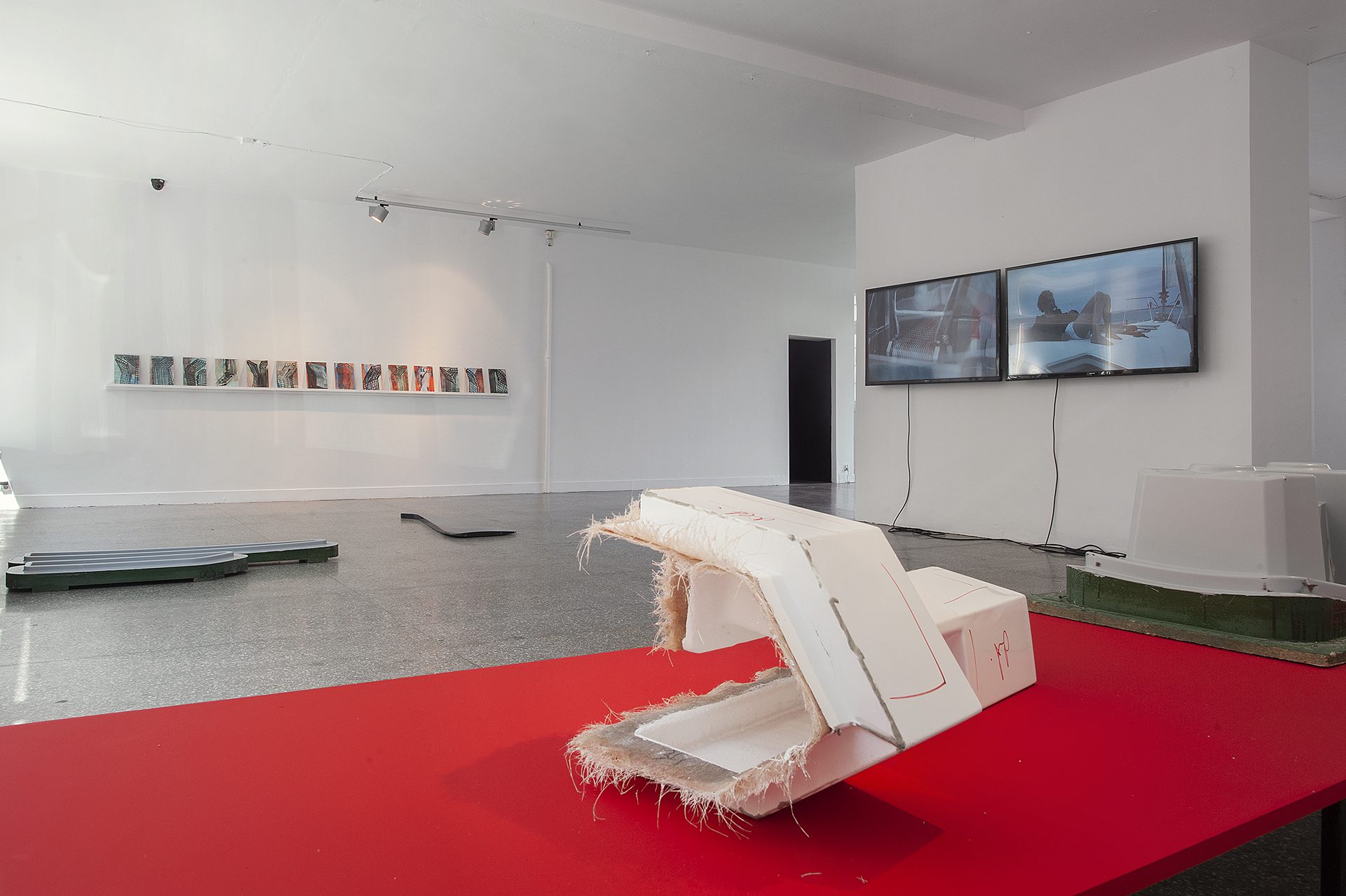
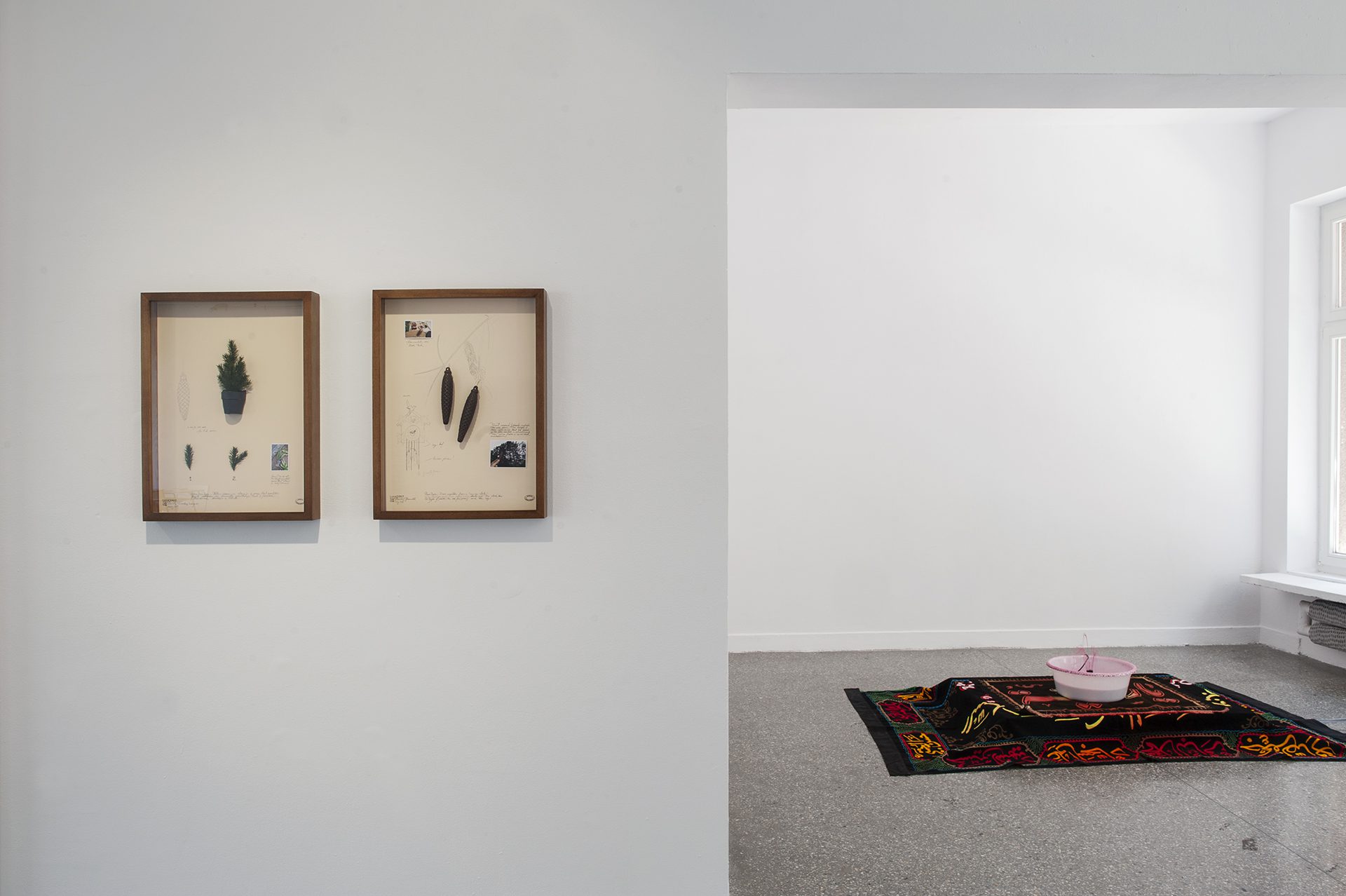
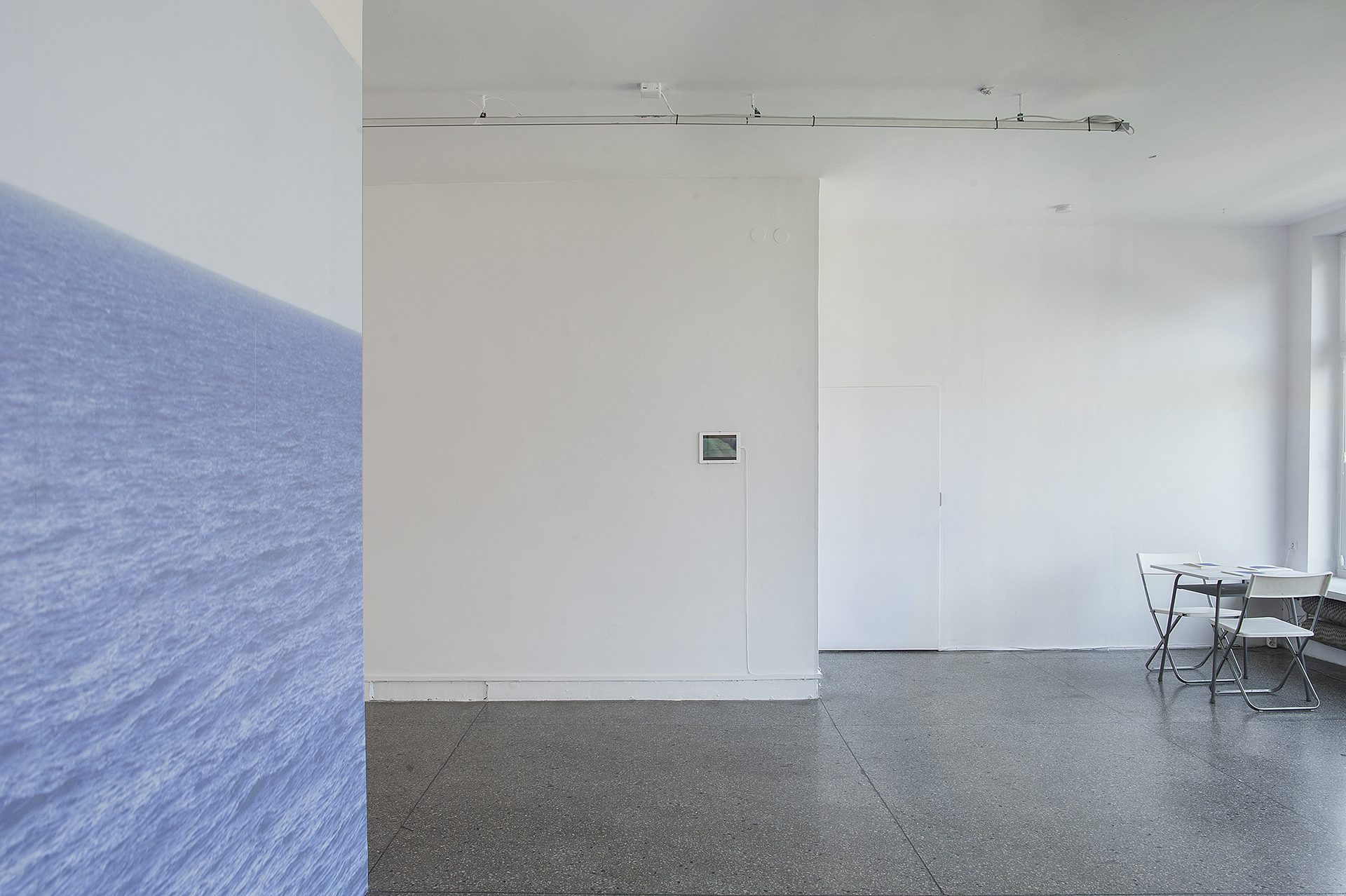
The works presented in the exhibition engage with hydro-logics and relational mutuality, problematizing rather broadly the notion of water itself as well as those of rivers, seas, oceans, and all related geopolitical and ecological movements. In her work from 1972, Ewa Partum alluded to the symbolic meaning of the sea as an abstract figure of infinity and all future potential. Today the work can be interpreted along entirely different lines; as the Western value system faces a crisis, it seems more like a visualization of an impending catastrophe, the omnipresent Western sense of guilt towards the rest of the world. Alberto Baraya, Barbora Kleinhamplová, The Otolith Group, and Slavs and Tatars refer through their works to the political significance of sea voyages, territorial conquests, and broadly defined colonialism, leading often to the introduction of a new narrative/categorization of the subjugated world with all the consequences thereof. Formally and semantically, they relate to the subjects of the contemporary form of economic colonialism, globalism, capitalism, and climate change.
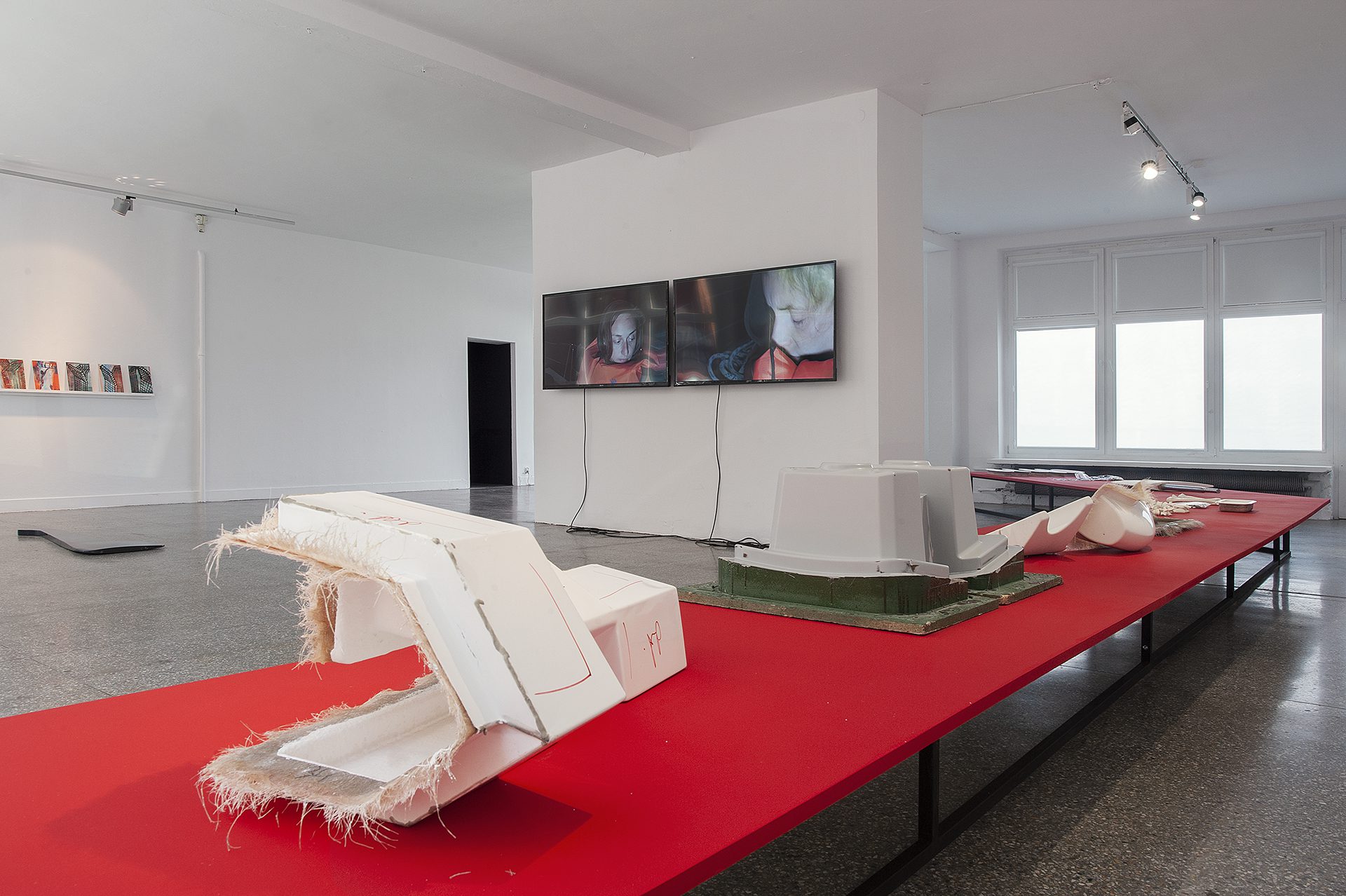
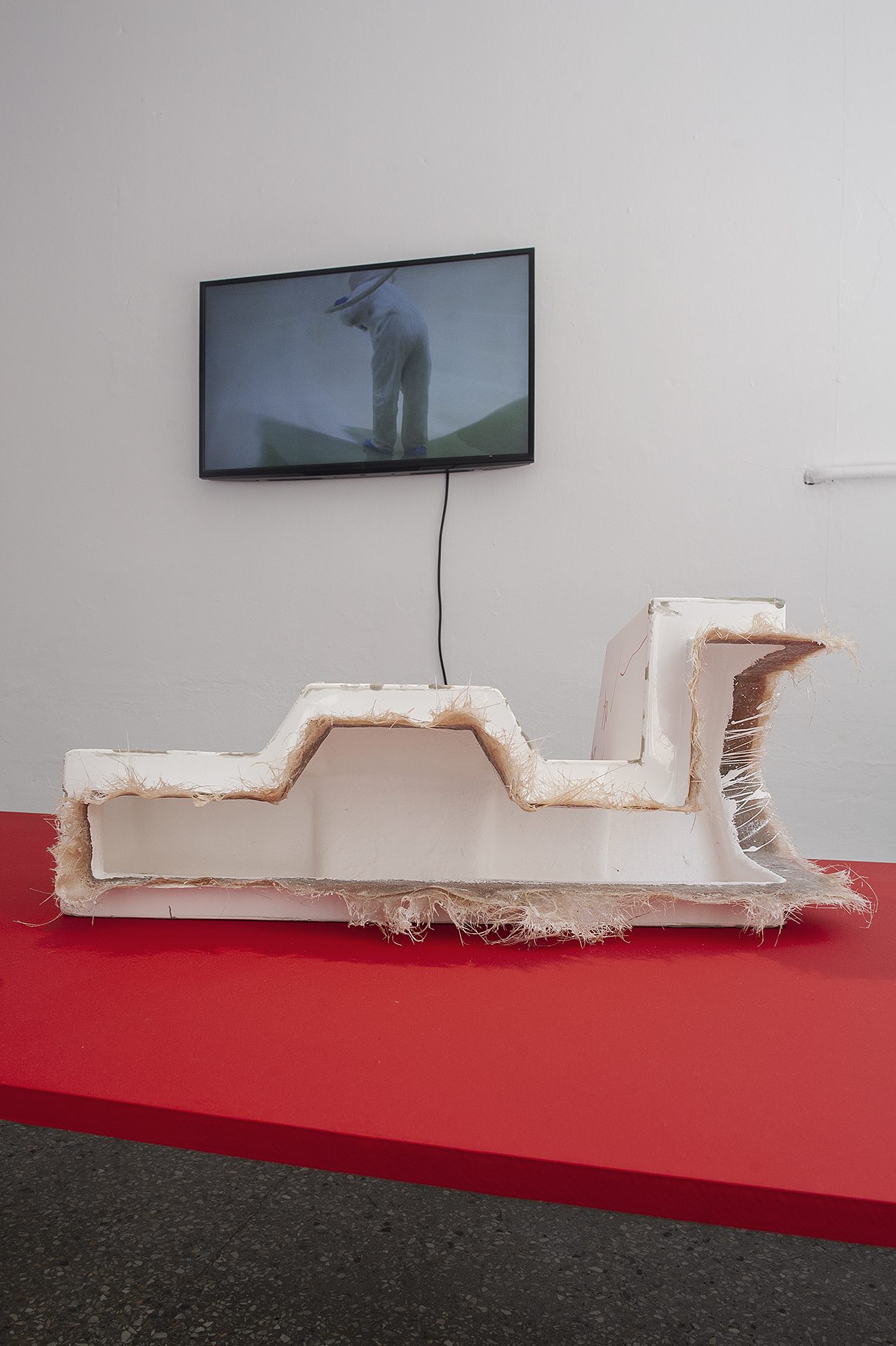
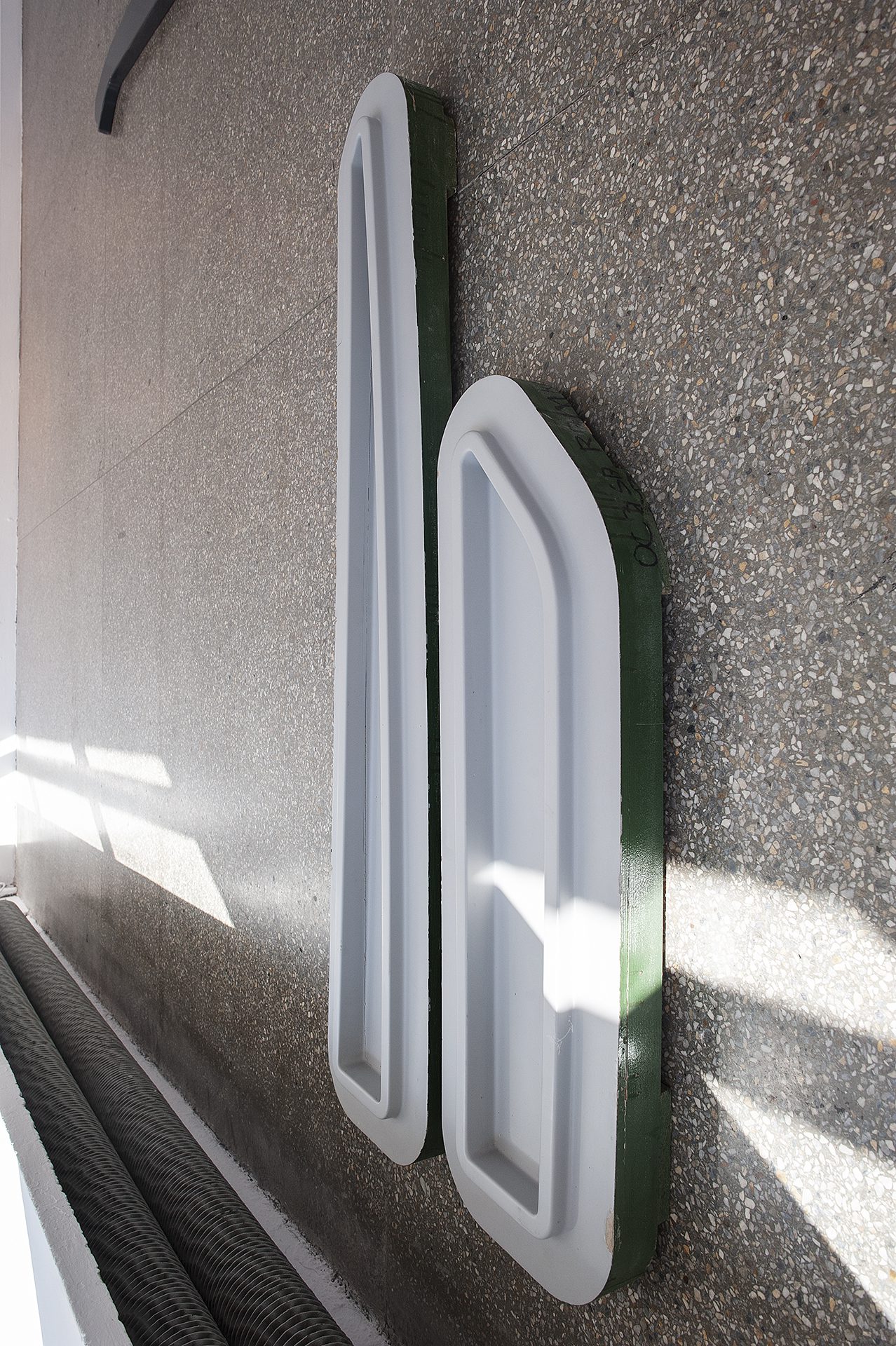
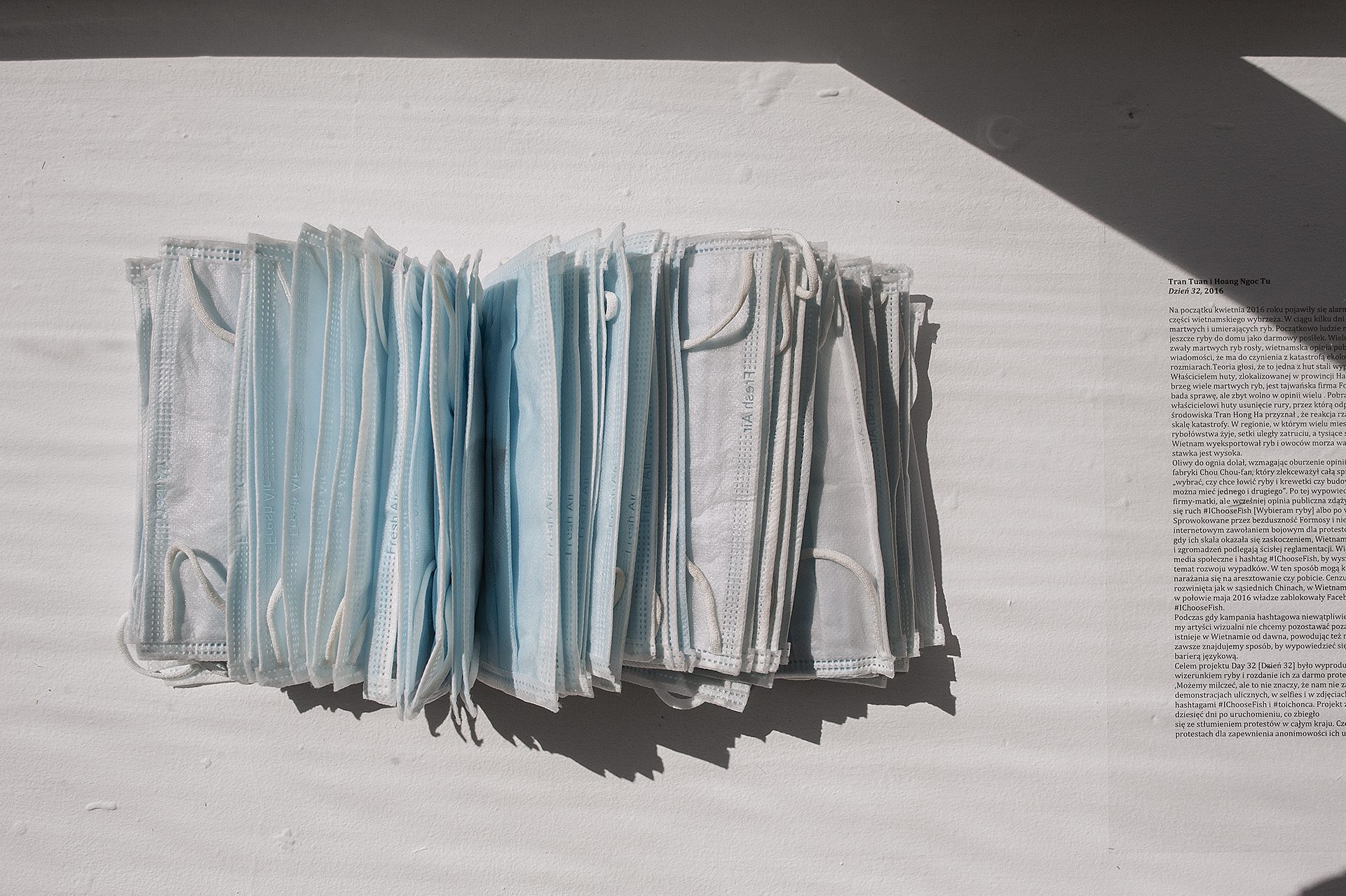
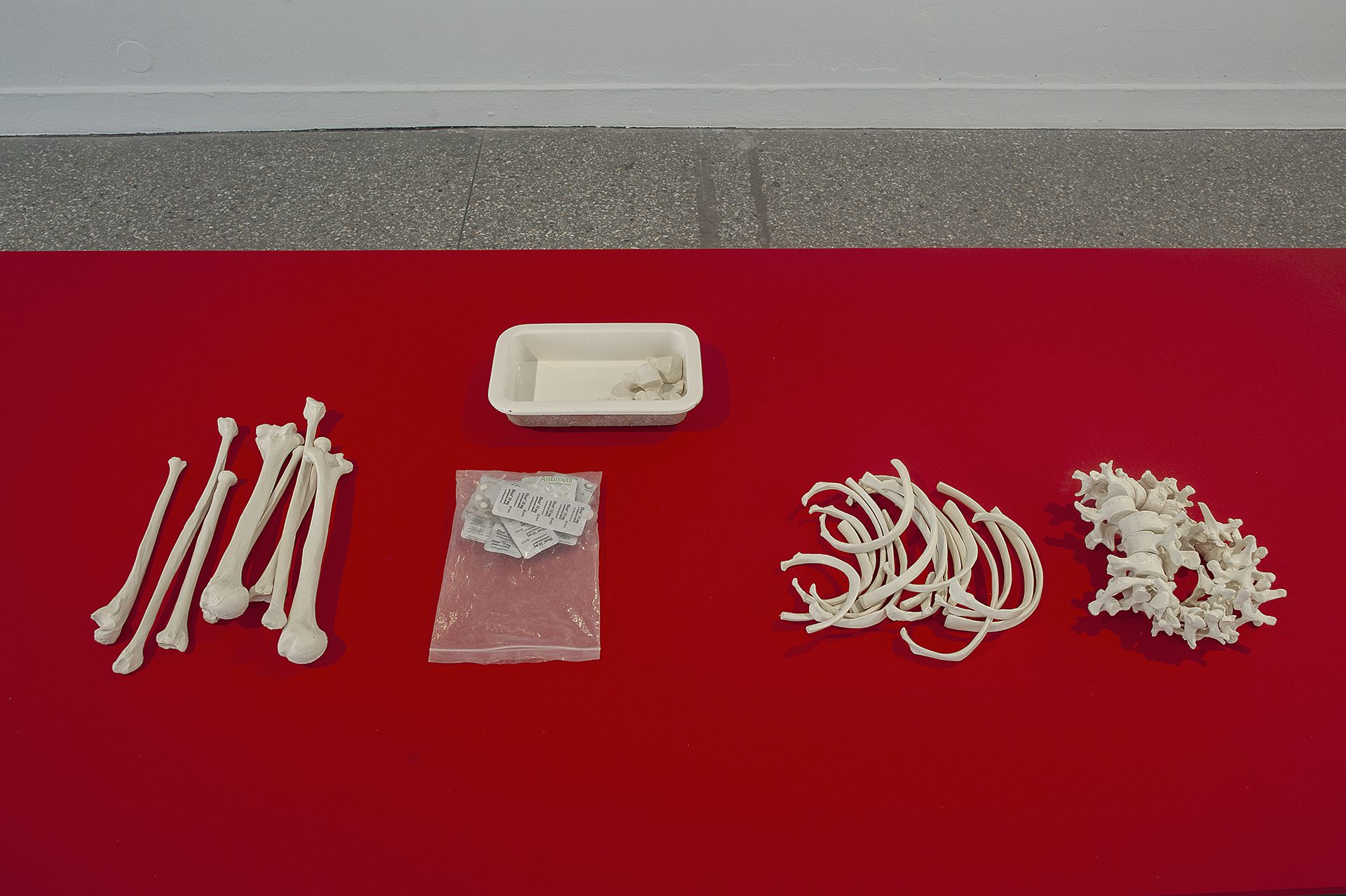
Diana Lelonek, Tran Tuan, and Hoang Ngoc Tu engage with the ecological disaster at our hands: the hazards implied by the pollution of global sources of water and the millions tons of plastics gathering at the bottoms of seas and oceans (particularly in South Asia, which has become a dumping ground for European and North American waste).
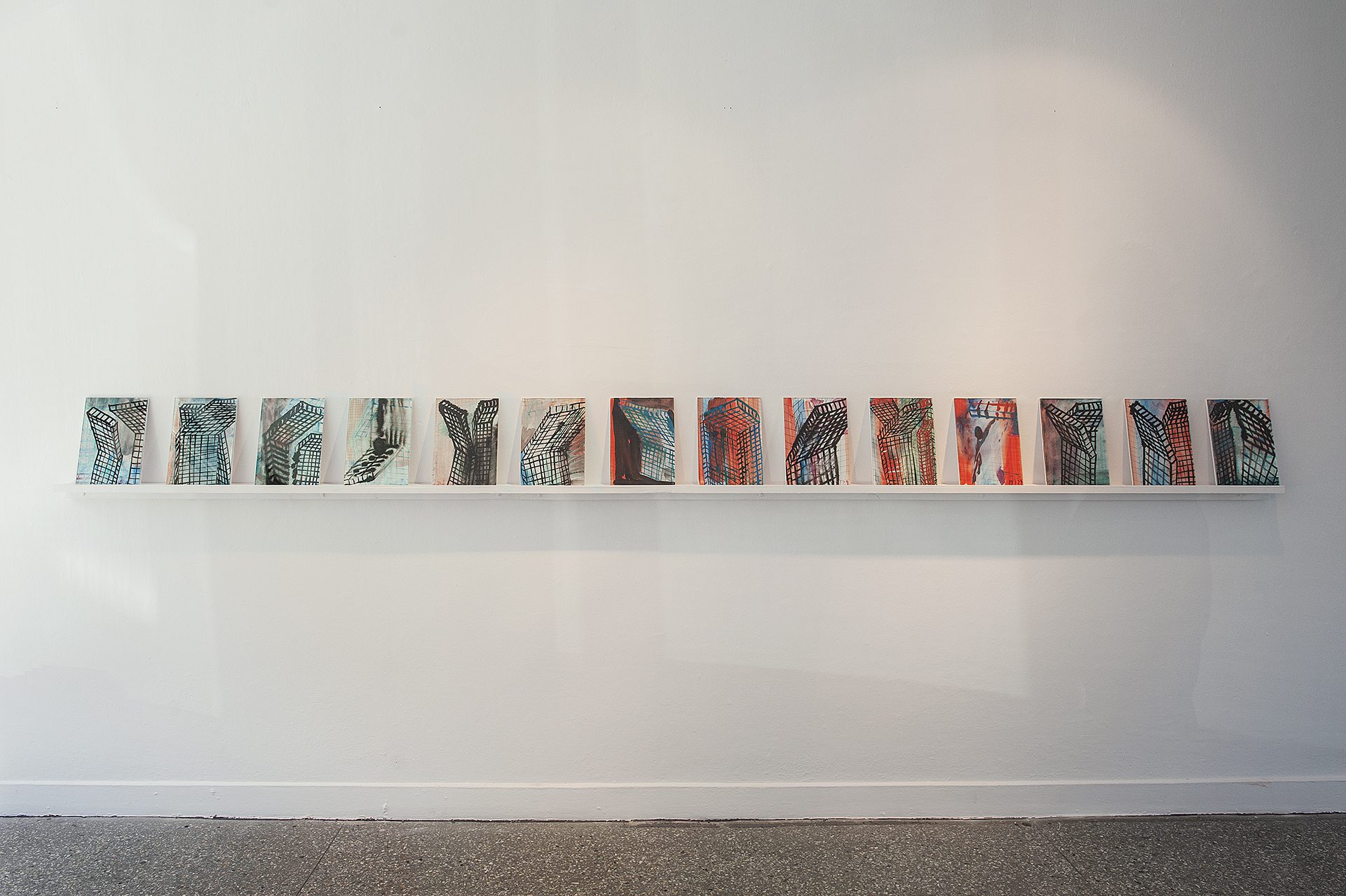
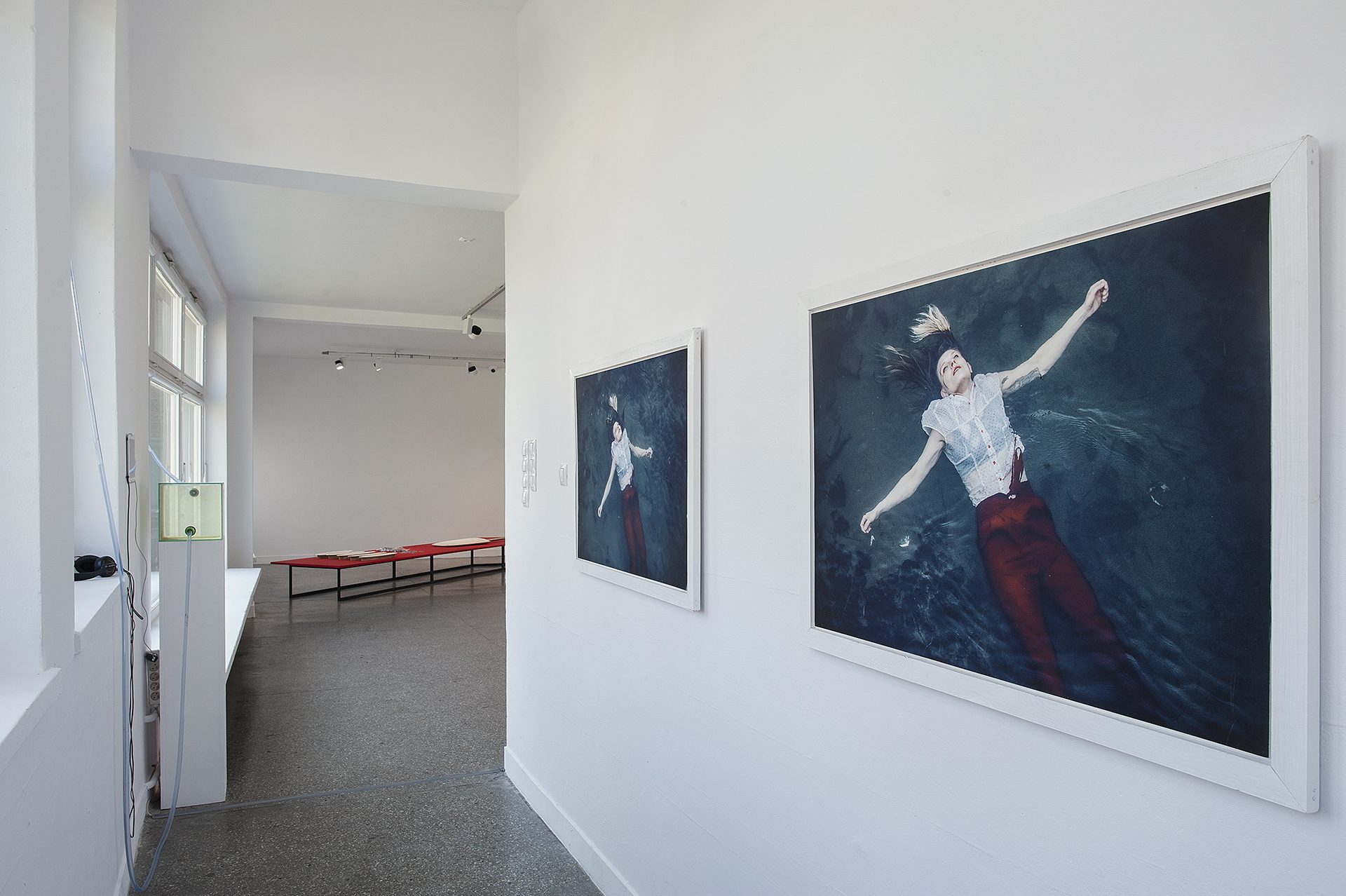
Honorata Martin, Jarosław Fliciński, and Piotr Urbaniec, in turn, reveal a nearly existential value in their investigations. Martin seeks to capture the liminal moment of endurance/life and death. As for Fliciński and Urbaniec, their formal explorations communicate a condition of liquidity, constantly probing order and chaos, regularity and irregularity in reference to issues related to the “end of history.”