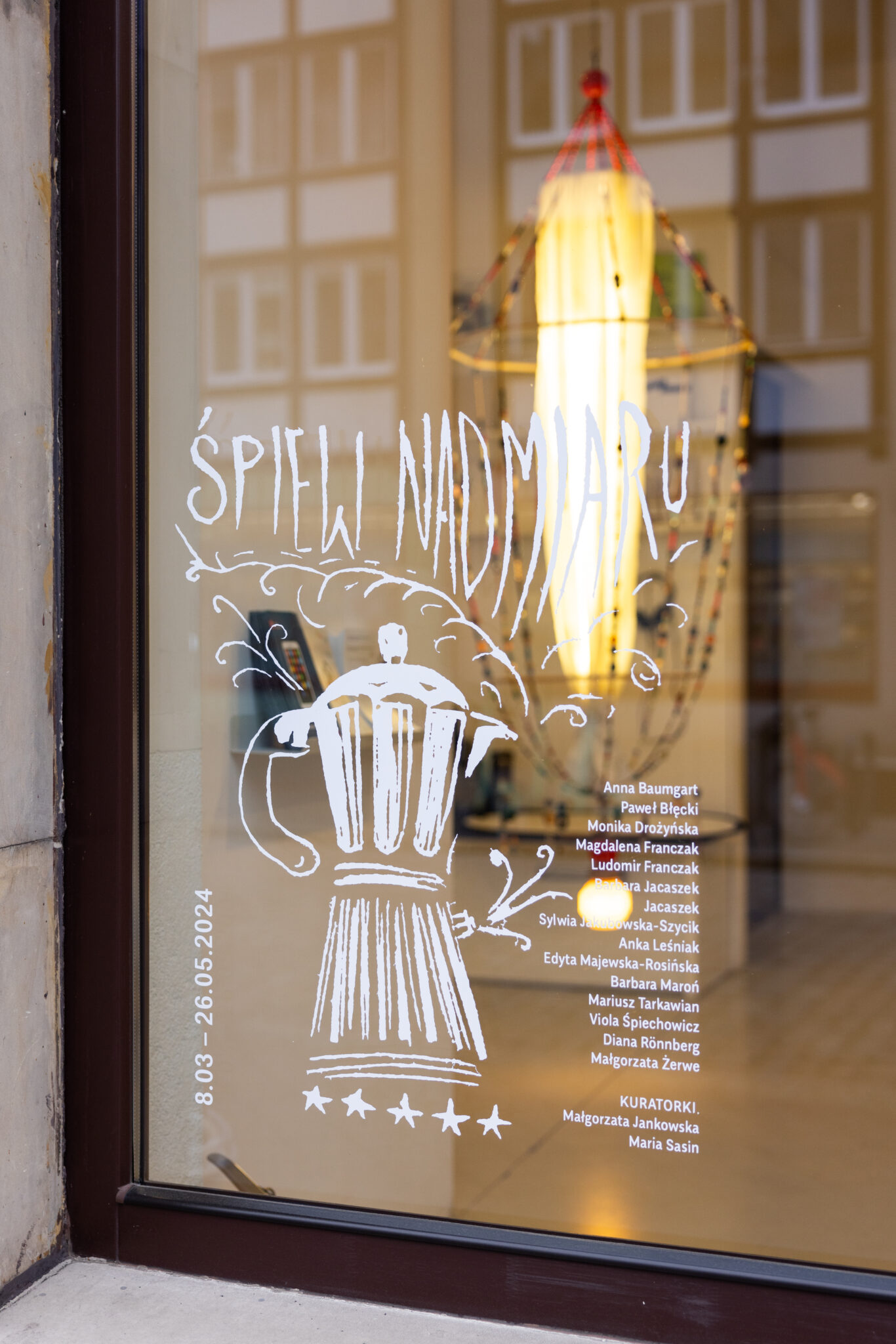
Date: 08 March –26 May 2024
Opening: 08.03.2023, 6pm
Venues: Günter Grass Gallery in Gdańsk, ul. Szeroka 37
Artists: Anna Baumgart, Paweł Błęcki, Monika Drożyńka, Magdalena Franczak, Ludomir Franczak, Barbara Jacaszek, Jacaszek, Sylwia Jakubowska-Szycik, Anka Leśniak, Edyta Majewska-Rosińska, Barbara Maroń, Mariusz Tarkawian, Viola Śpiechowicz, Diana Rönnberg, Małgorzata Żerwe
Curators: Małgorzata Jankowska, Maria Sasin
Visual identification: Edyta Majewska-Rosińska
The source and symbolic beginning of the exhibition and its title are to be traced to the works of Anna Świrszczyńska (1909-1984) – a poet, journalist, playwright and prose writer. The poet believed in “change for the better” and liked to stand on her head in an attempt at giving expression to her “female rebellion.” She longed to be united with plants, animals, elements, and her own femininity. Świrszczyńska’s poems are records of the feelings of overflow and surplus – “songs of excess.” They speak of pushing boundaries, of experiencing the self as the lightest of beings while at once gigantic and uncountable. She wrote: “I ooze, I spread, I fan out, I am explosion, I gush, I jump out of my skin, I mushroom.” The excess thus communicated suggests indeterminacy and complexity that, although ungraspable, can be shared at will.
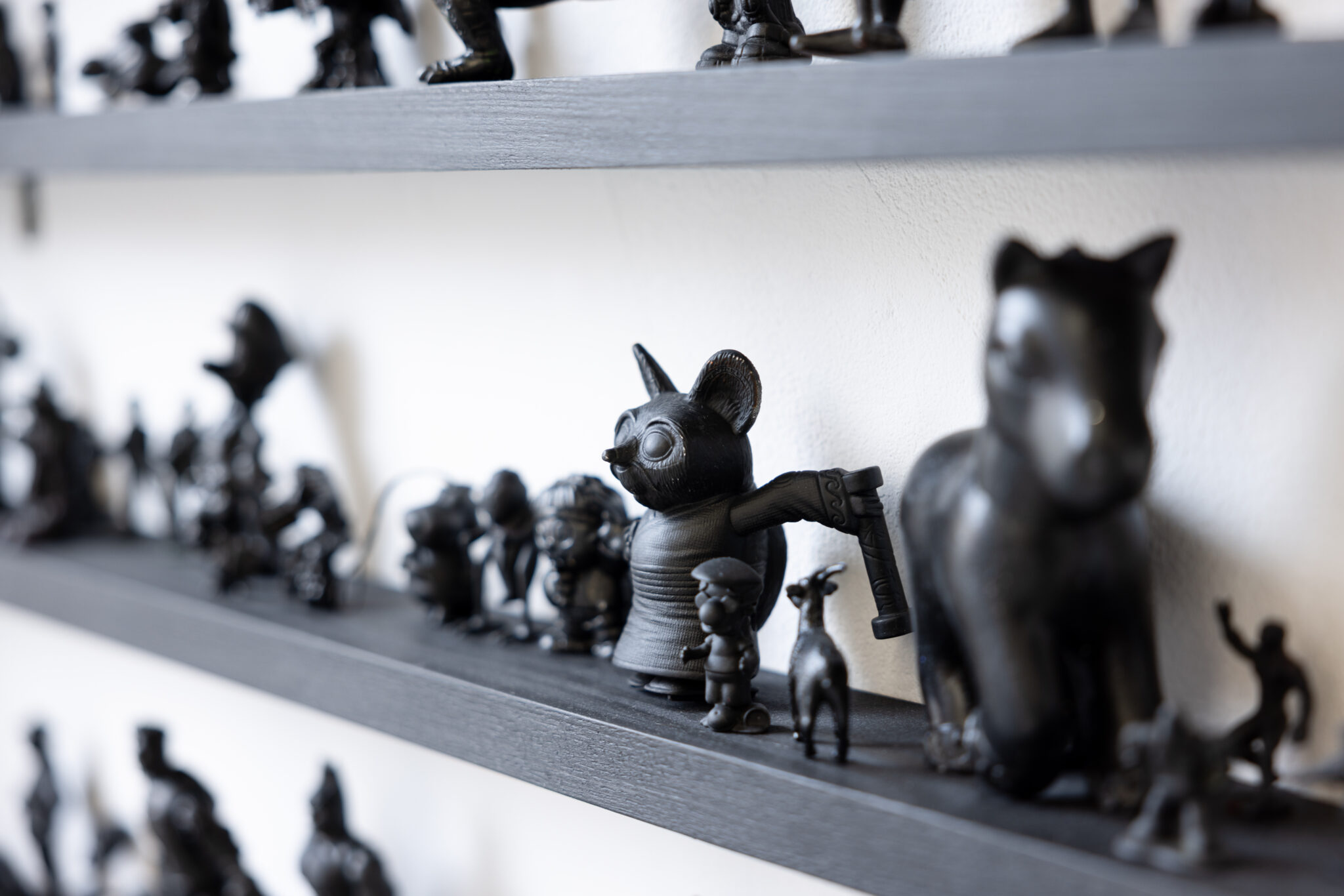
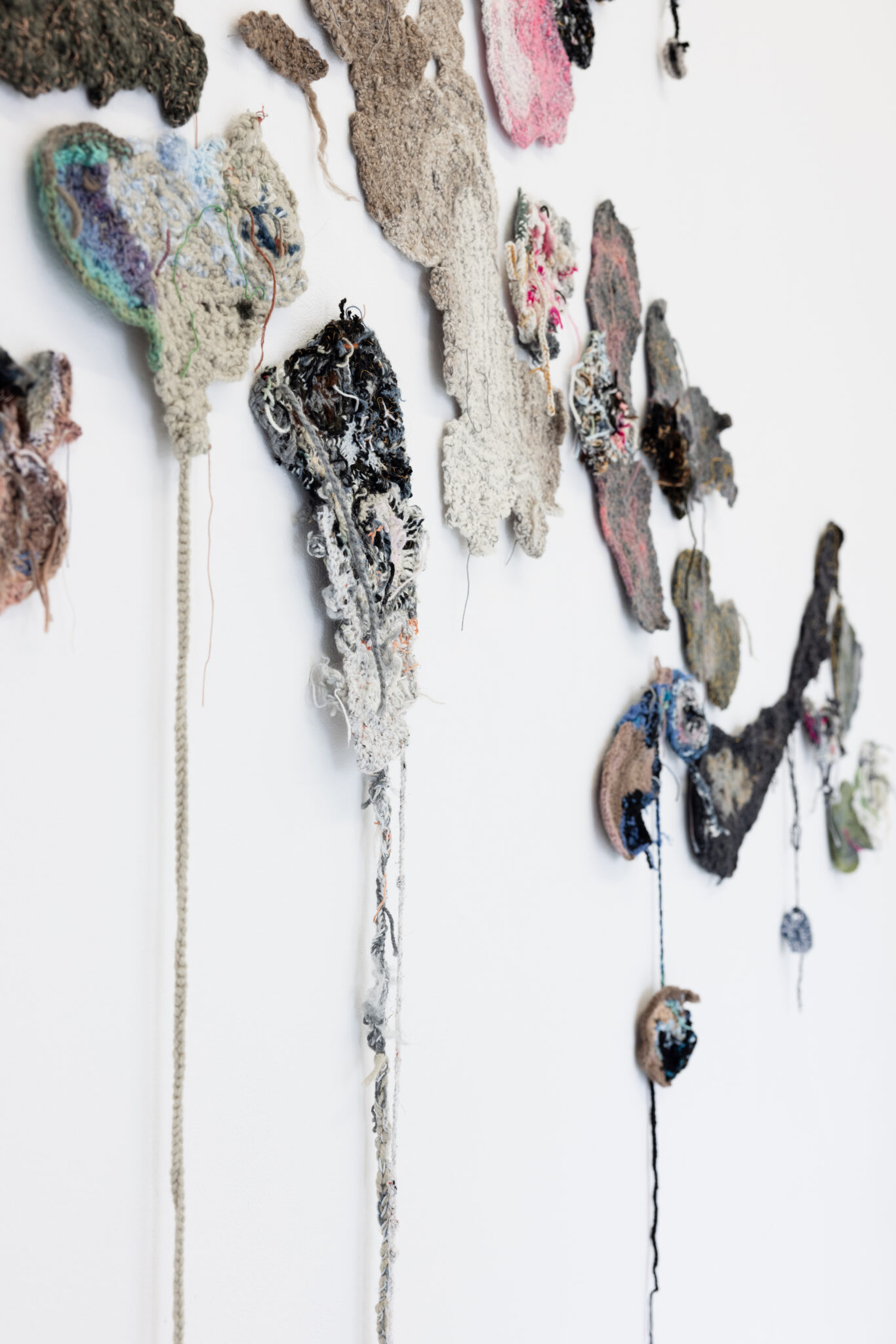
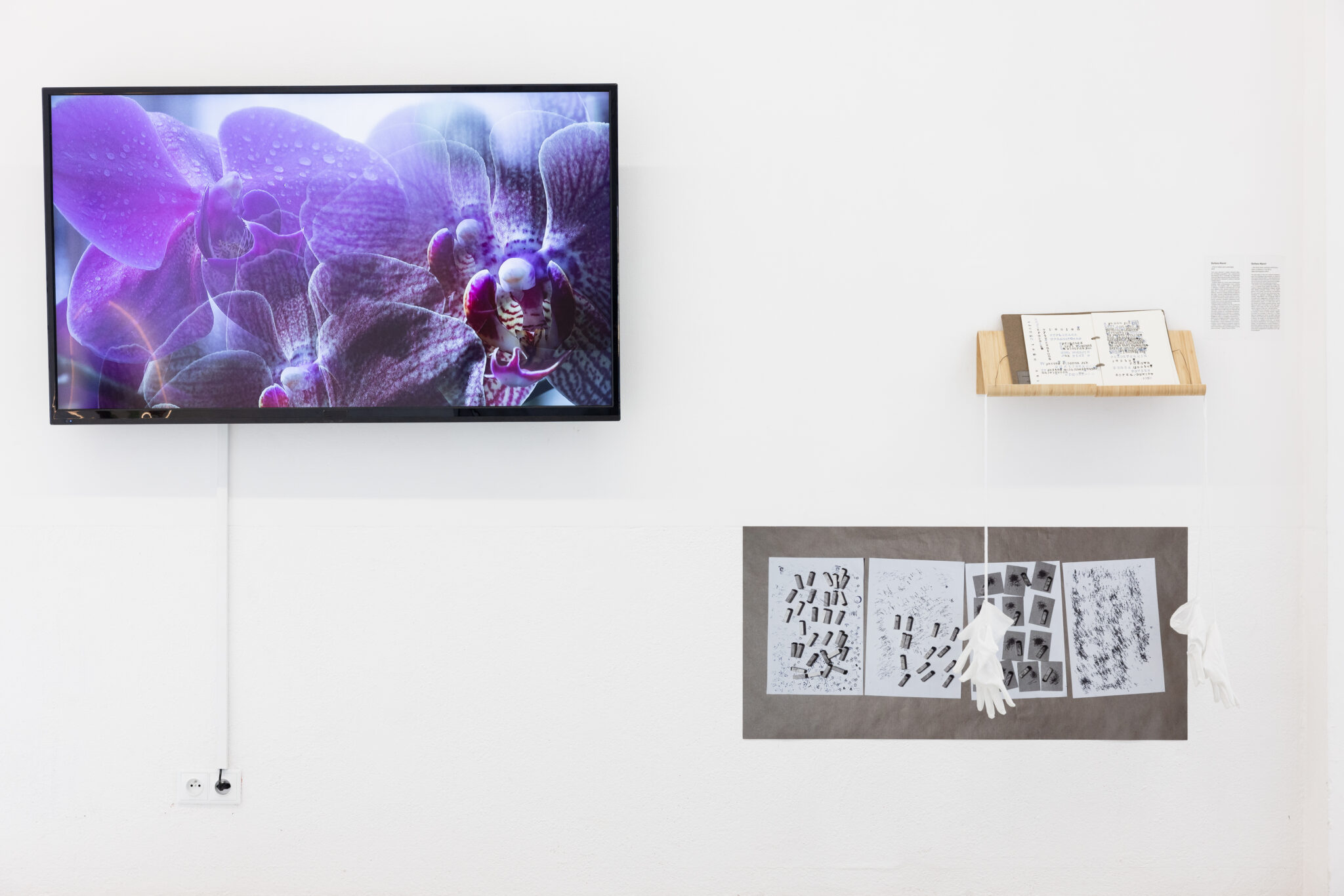
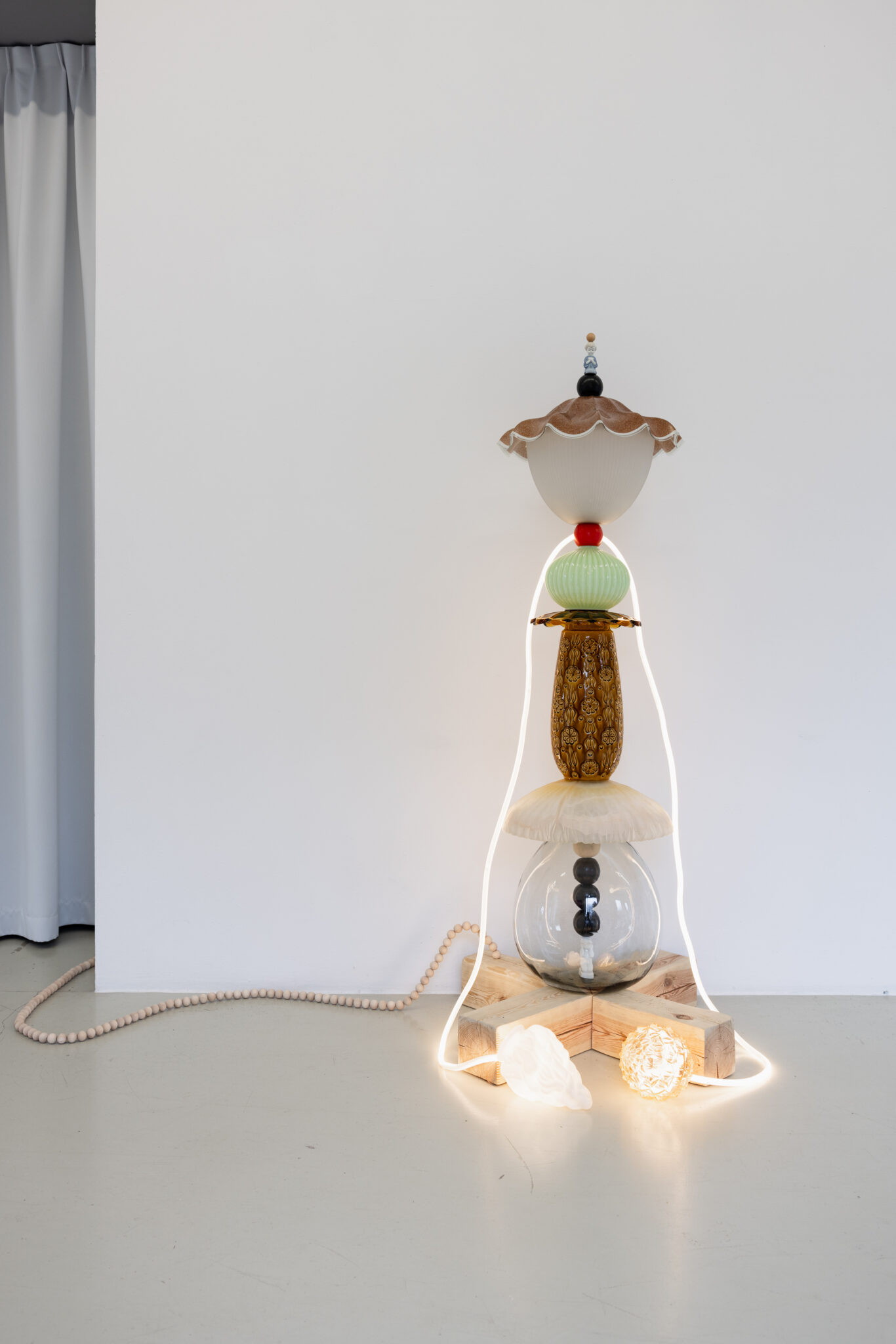
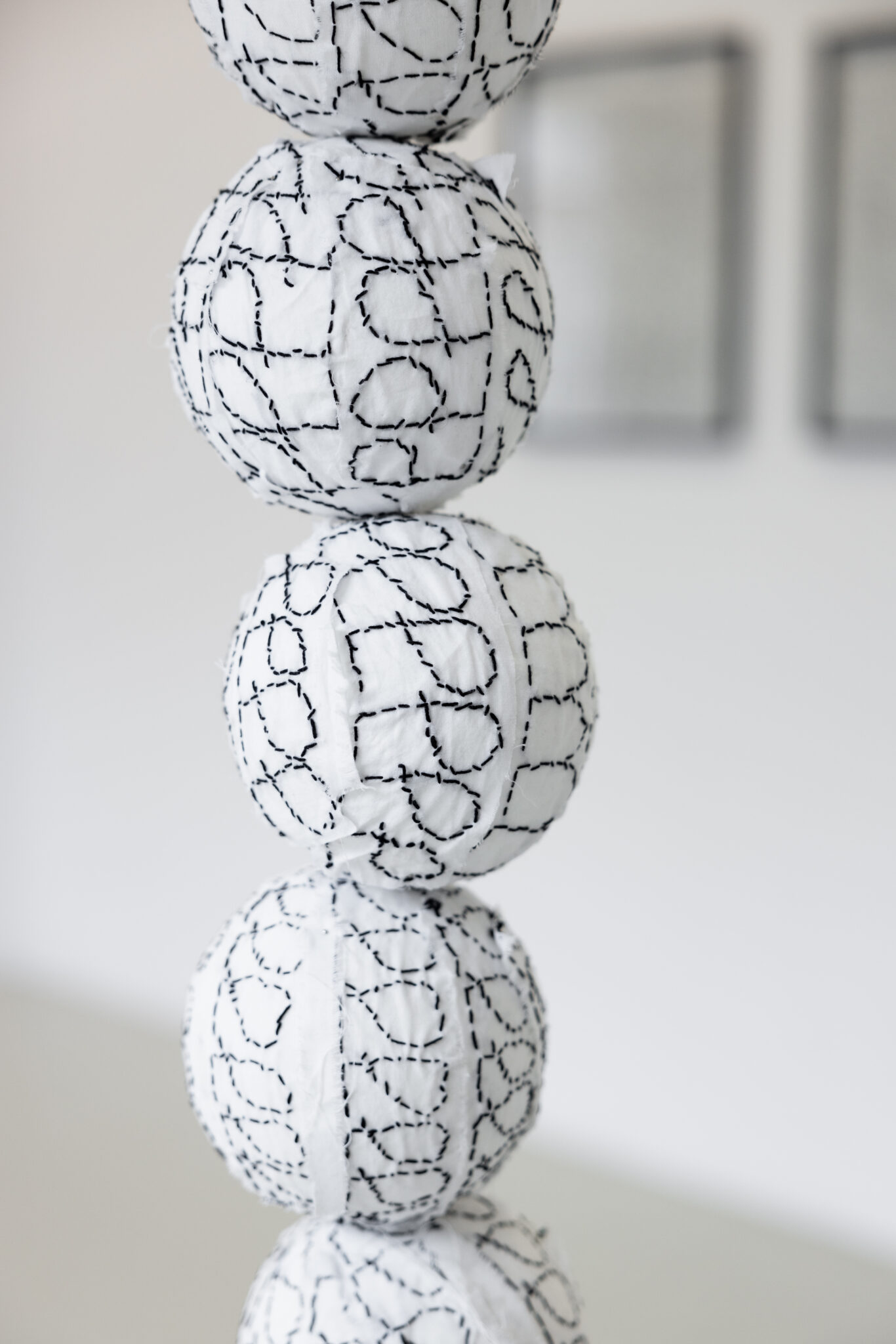
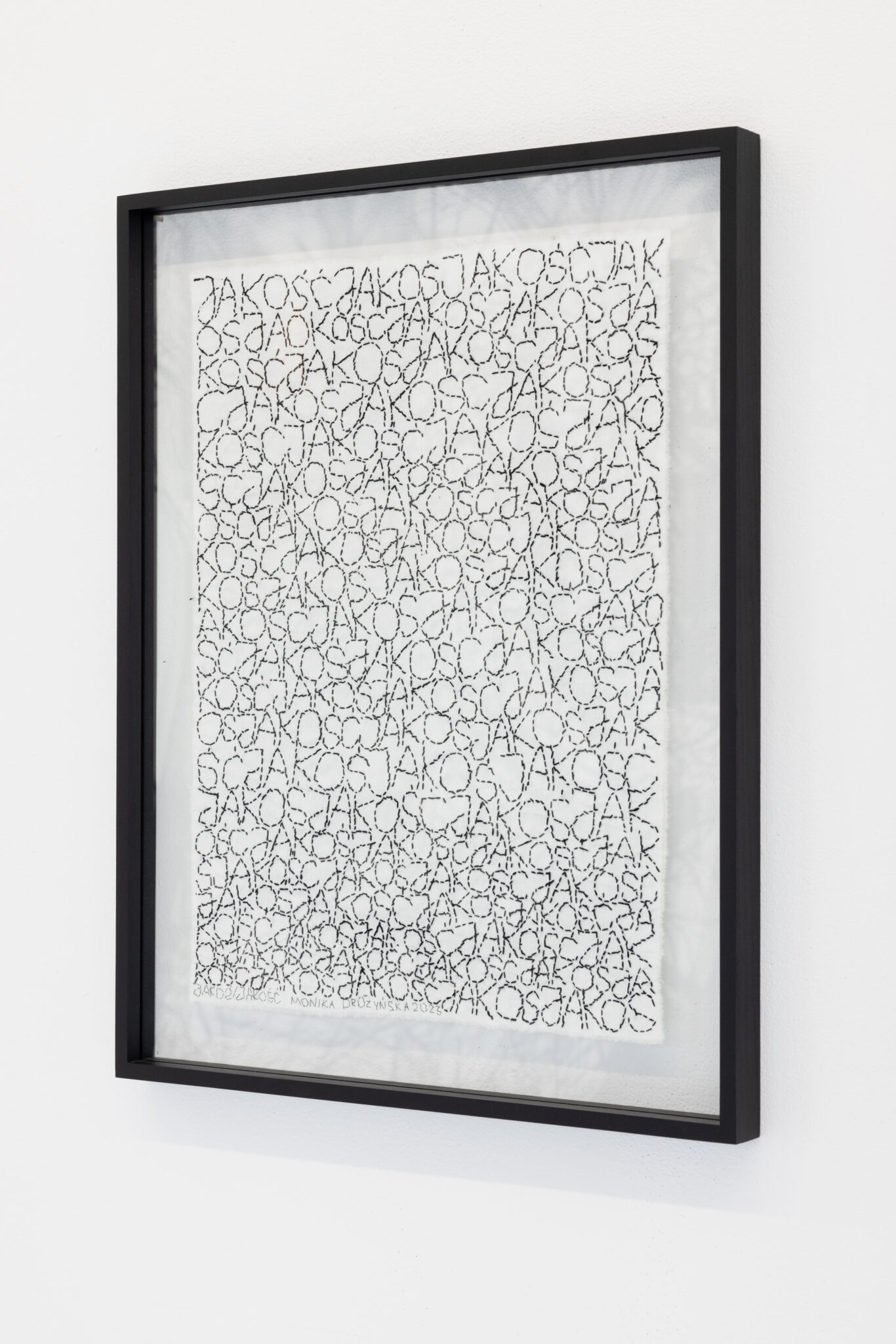
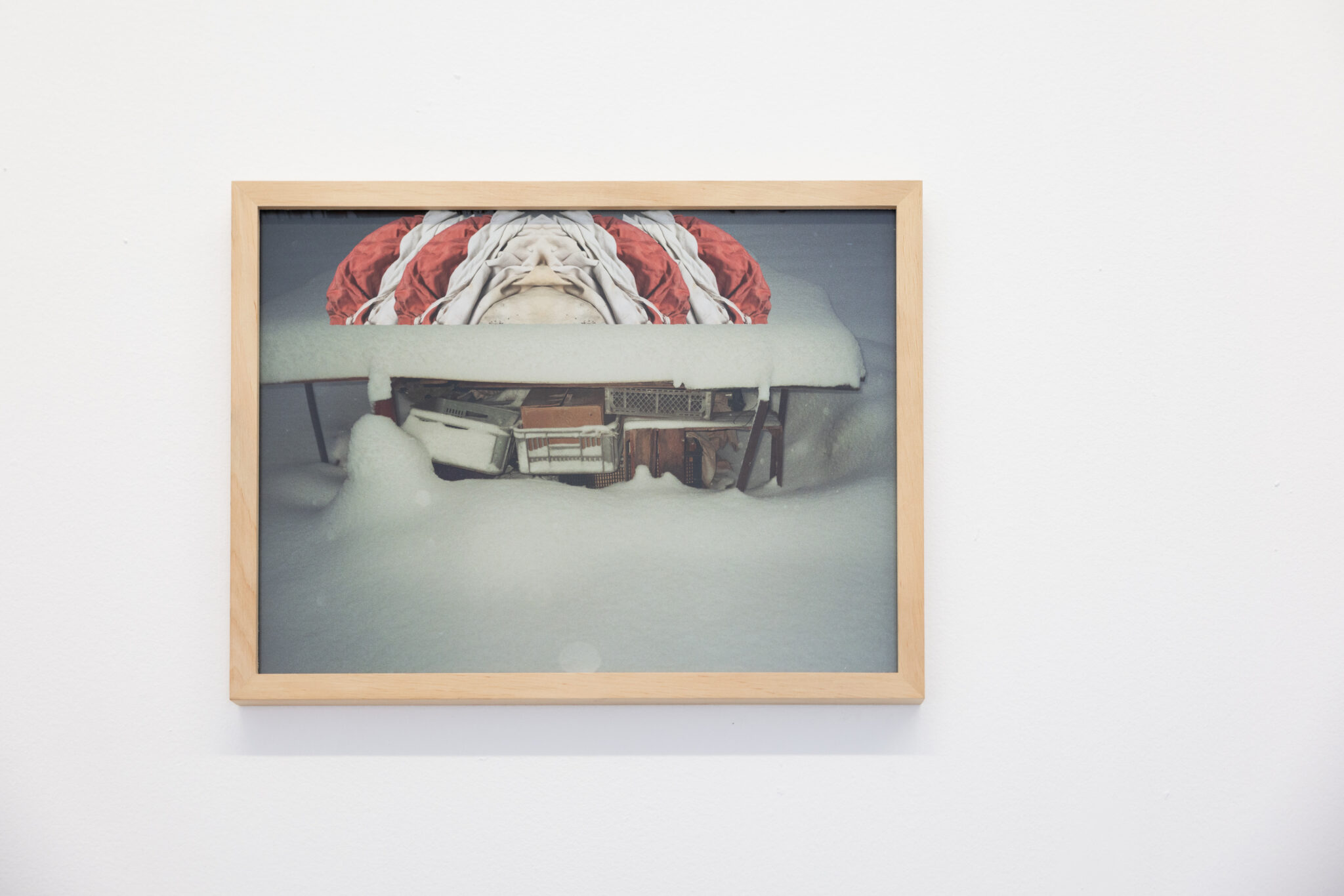
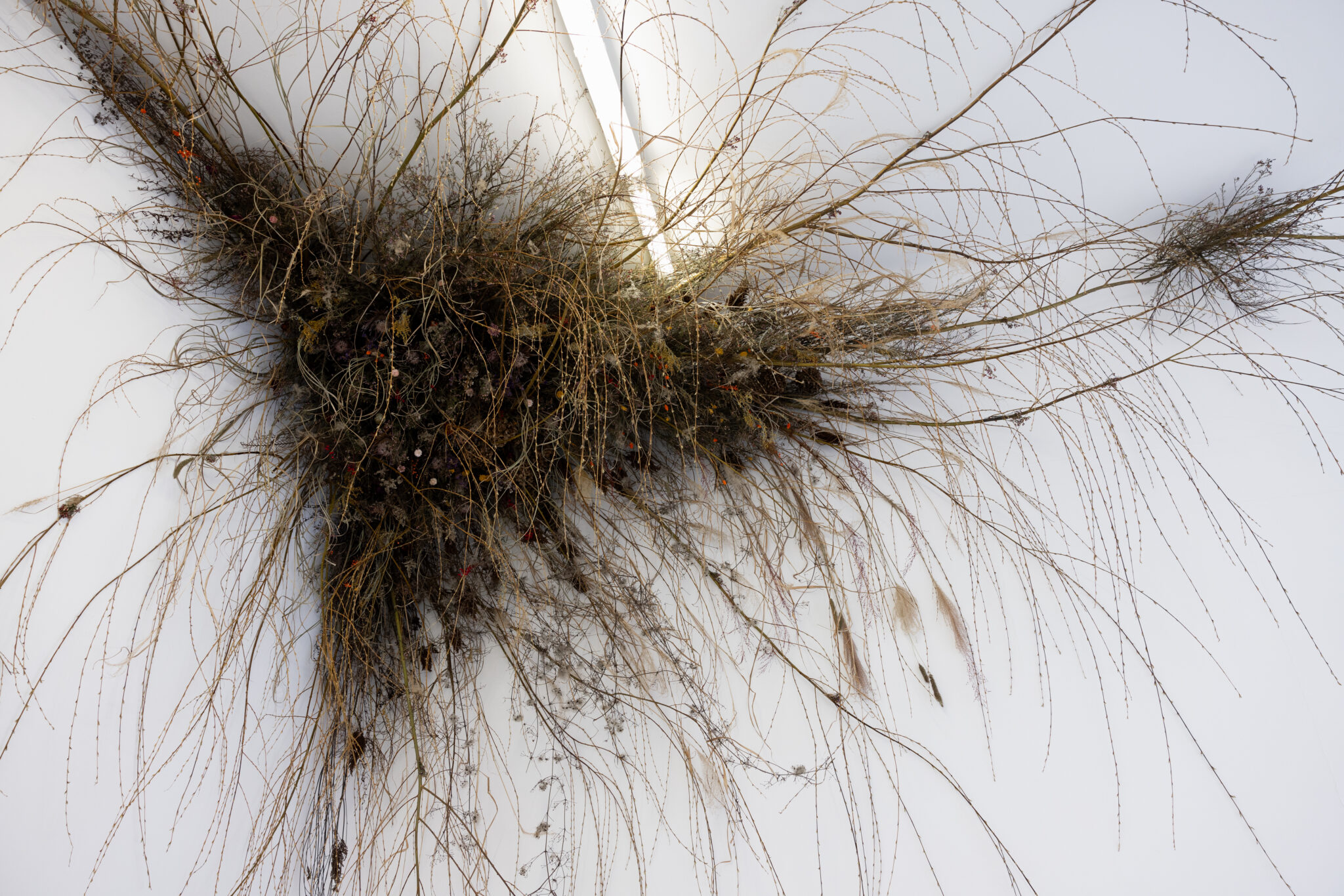
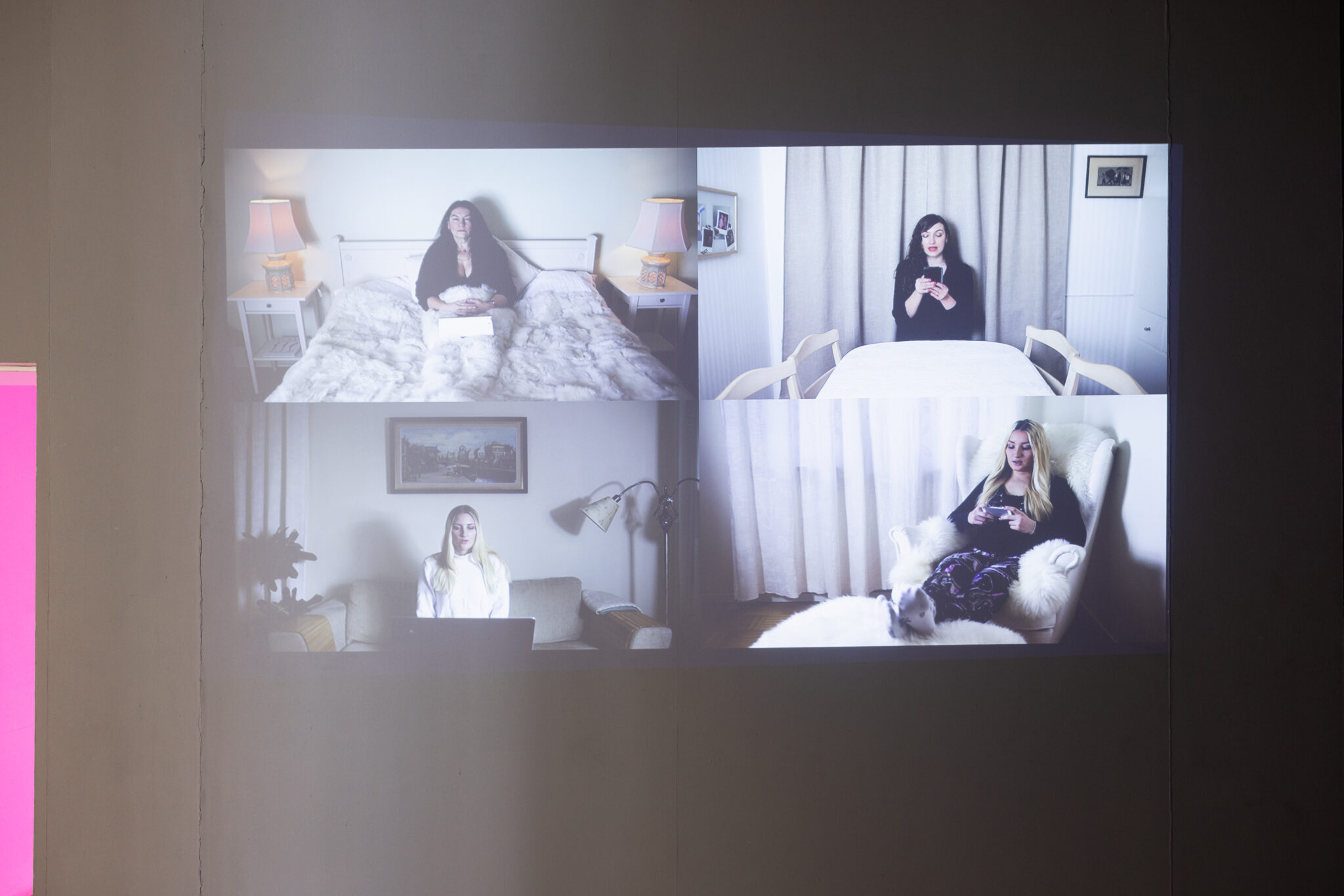
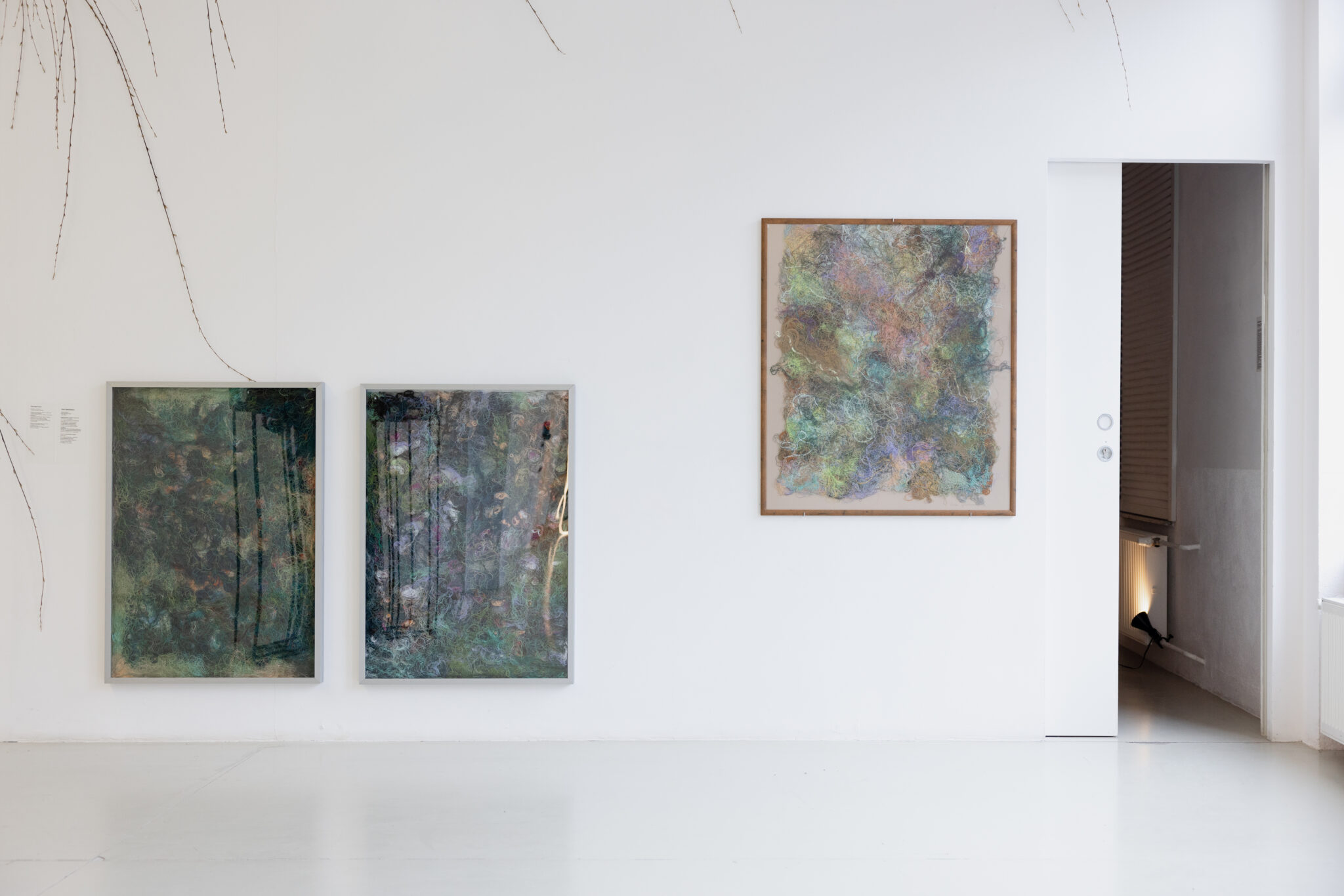
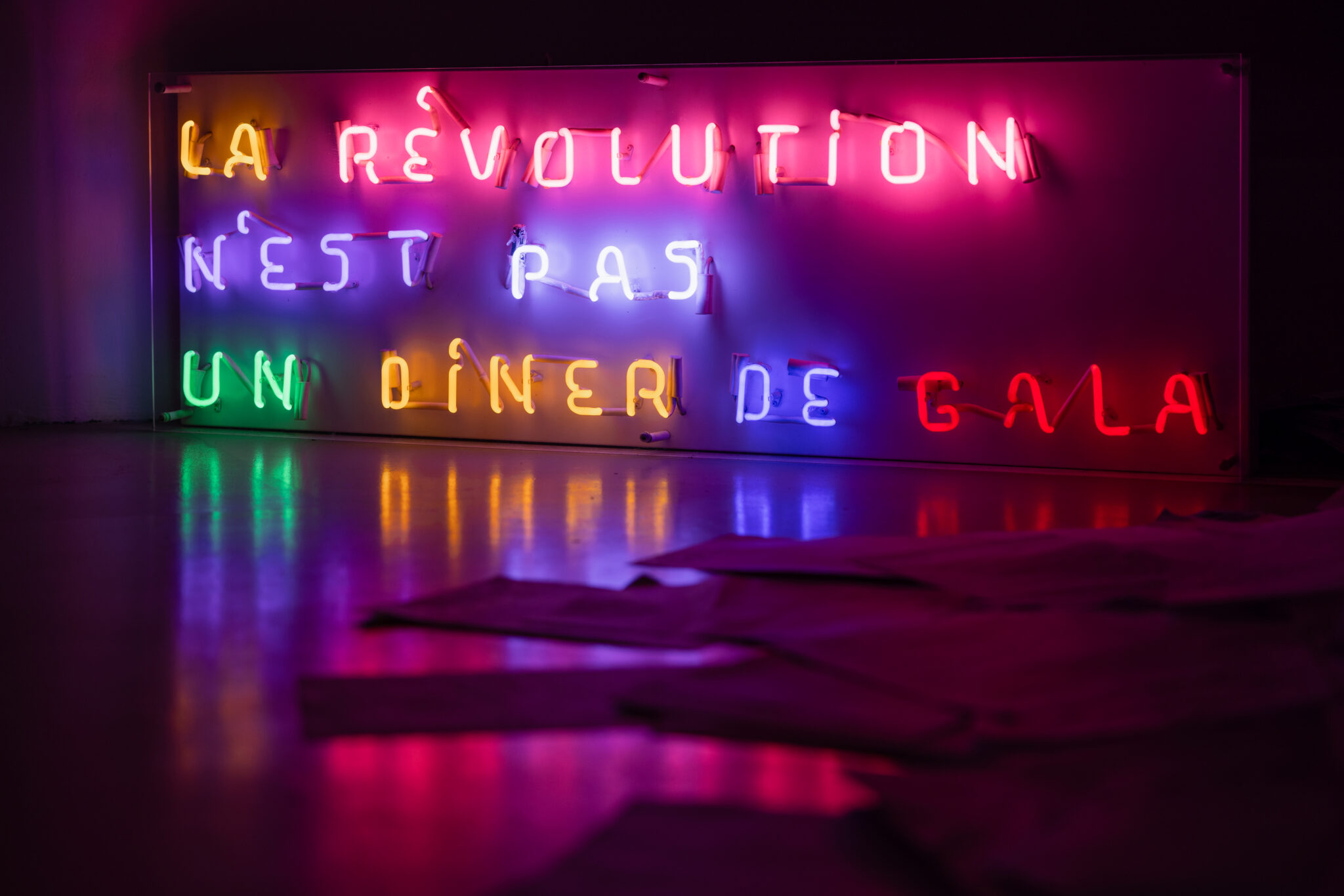
Stories composed by the artists take place at the intersection of literature and art. The visual and audio narratives revolve around power and the absurdity of existence, sensual choices and vulnerability, around language, its energy and feebleness, around overflow and the motion that “sparks a revolution by bringing gladness, causing surprise and achieving liberation.” The show has been moulded through such processes as combining, entwining, striking chords, assembling various emotions and states, and the crossing of time and history, of the imagined and the real.
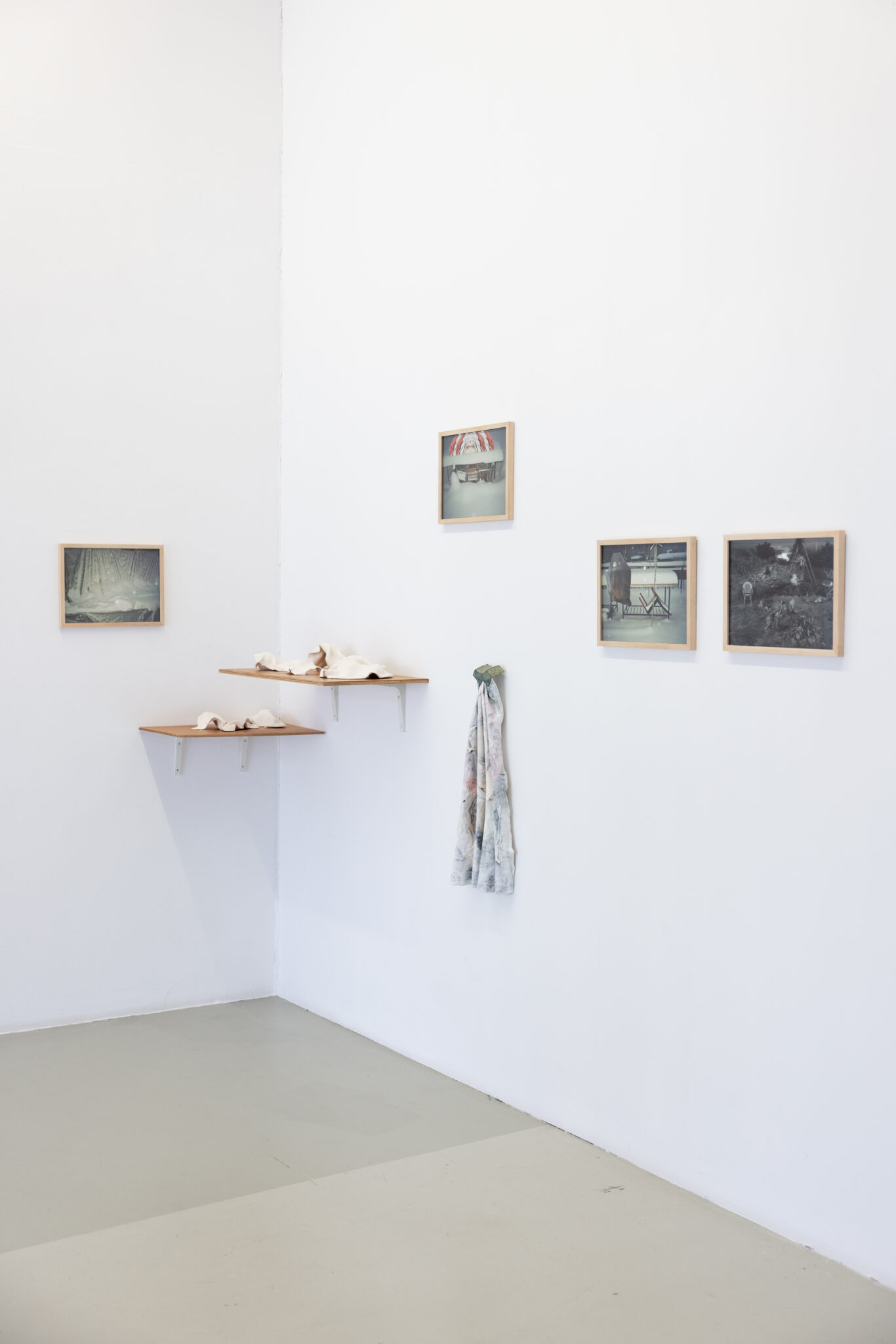
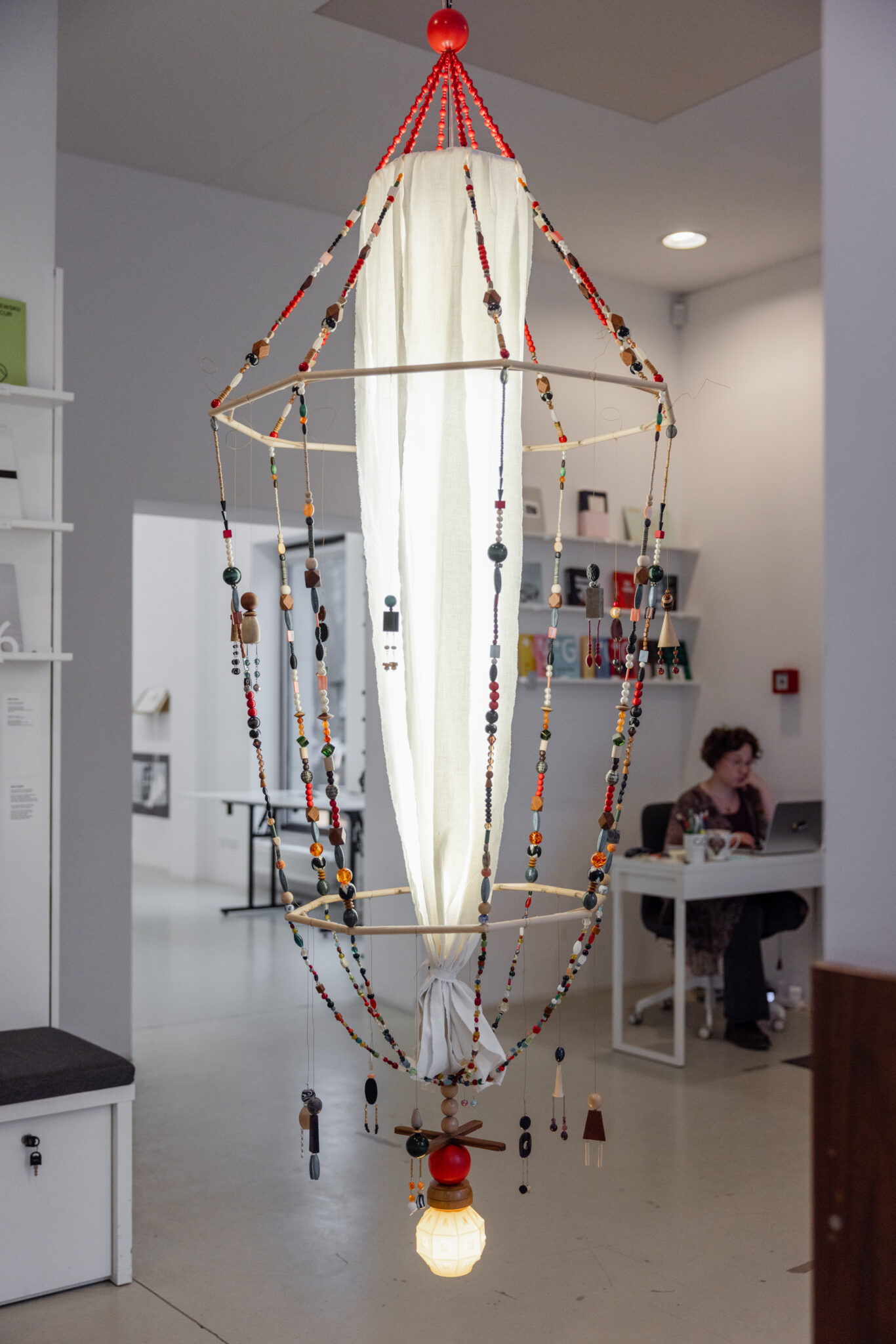
Put on view are artworks that owe their inspiration to the poet’s work and biography. They also reference the eponymous “excess,” a phenomenon whose relevance extends as far as contemporary culture. The field of references provided by the exhibition is consistent with the multidimensional and assamblage-type character of the displayed pieces. They have managed to create a layout that is both dynamic and, paradoxically, coherent.
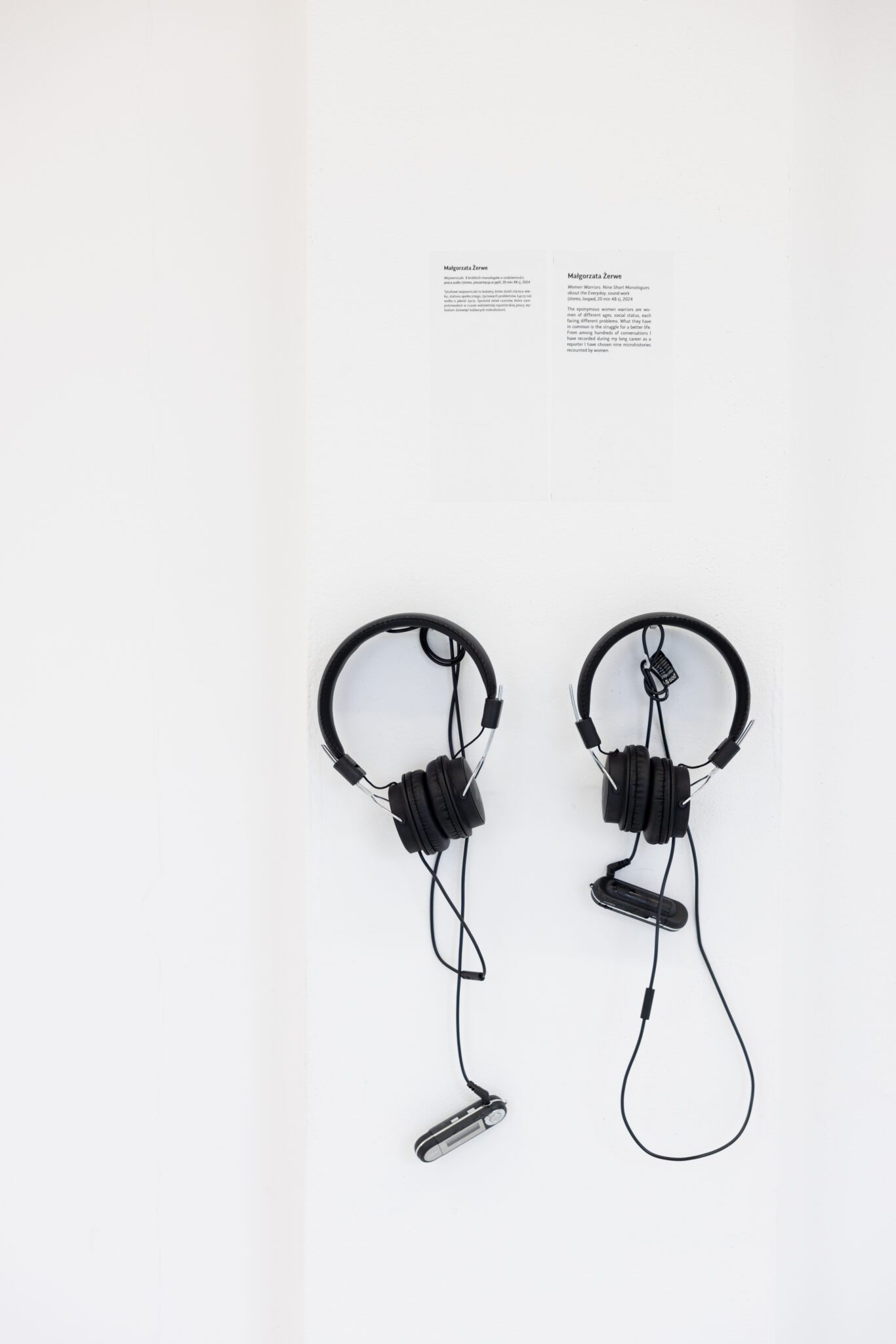
Two radio broadcasts: Elżbieta Konieczna’s Spotkanie z Anną Świrszczyńską [Meeting with Anna Świrszczyńska] (1983) and Anna Balicka’s Z Krupniczej na Parnas [From Krupnicza Street to Parnassus] (1984) constitute the prologue to the exhibition. Both were produced by the Kraków Section of the Polish Radio. The poet’s connection with the radio provided an impulse for strong emphasis to be put on sound which is present at the show in the form of installations and audio plays.
The excessiveness of the exhibition allows room for symbolic recollection of the postwar history of the building in 34/35 Szeroka Street. Café Marysieńka that was once located at this address surely witnessed an excess of encounters, stories, sounds and scents. We have done our best to recreate their atmosphere and significance as a relational area in the dynamics and rhythm of the exhibition.