Place: Gdańsk City Gallery 1, Piwna street 27/29
Opening: 9th of March, 7:30 P.M.
Exhibion: 9th of March 2018 – 8th of April 2018
Artist: Emilia Bartkowska
Curators: Honorata Martin, Emilia Orzechowska
Coordination: Gabriela Warzycka-Tutak
Graphic design: Maciej Bychowski, Joanka Grochocka, Piotr Karski, Honorata Martin, Julka Mirny, Natalia Stachura, Konrad Trzeszczkowski, Ula Wasielewska, Joanna Zastróżna
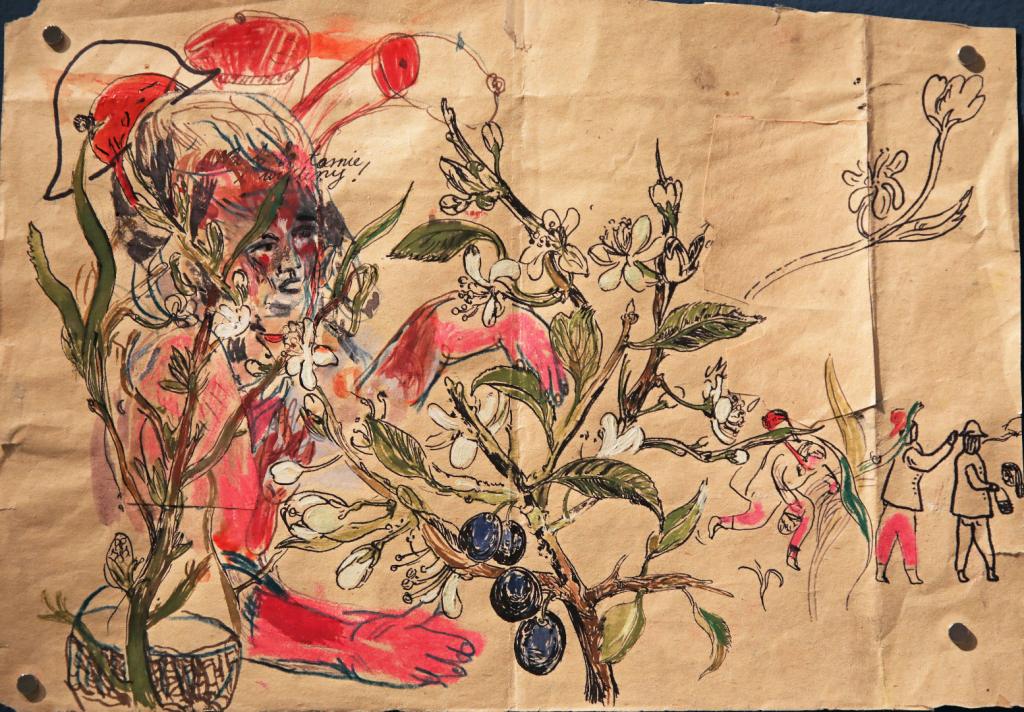
A mysterious land, full of bounty, colours, joy and charm, which cannot be easily accessed by people, was discovered by little Johnny and is governed by its own 'forest’ laws. The boy’s disinterestedness and noble-mindedness is rewarded by nature and the inhabitants of the 'forest fairy-tale’. The landscape abounds in mystery and magic… – it is not a description of the primeval forest of Białowieża, but a synopsis of Maria Konopnicka’s book Na jagody (Picking Berries) written in 1913, which provided the pretext to organise the exhibition of drawings by Emilka Bartkowska.
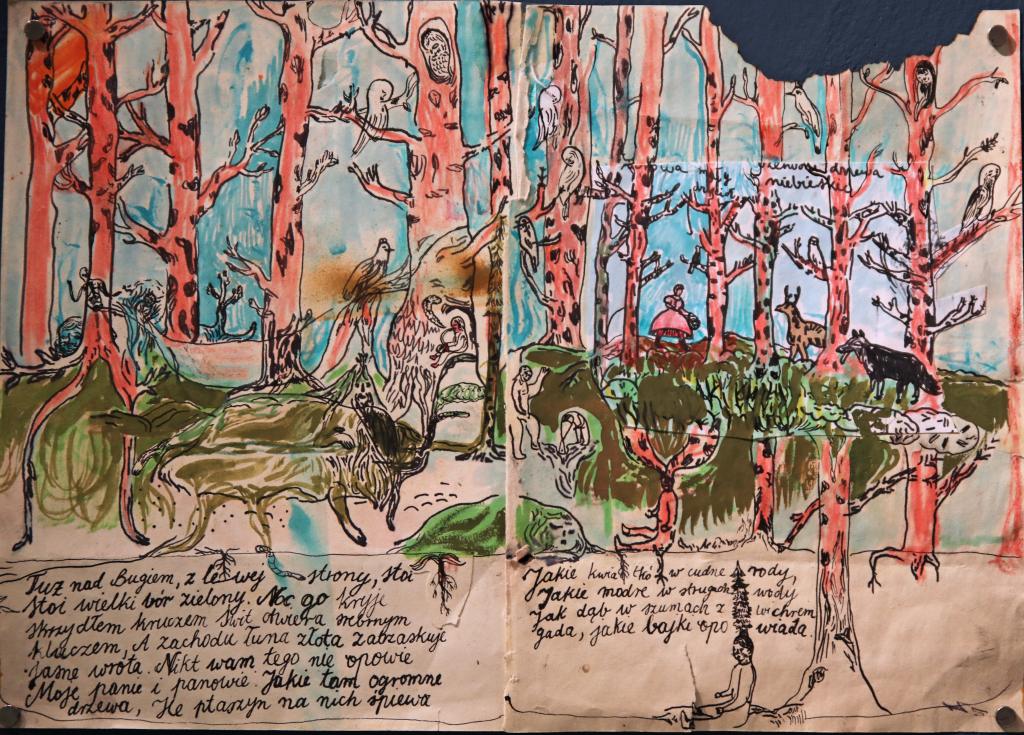
An integral part of the display of Emilia’s selected drawings is the publication of an unfinished book with the last illustrations created by the artist and Maria Konopnicka’s text from more than 100 years ago; graphic design and typesetting by Maciej Bychowski.
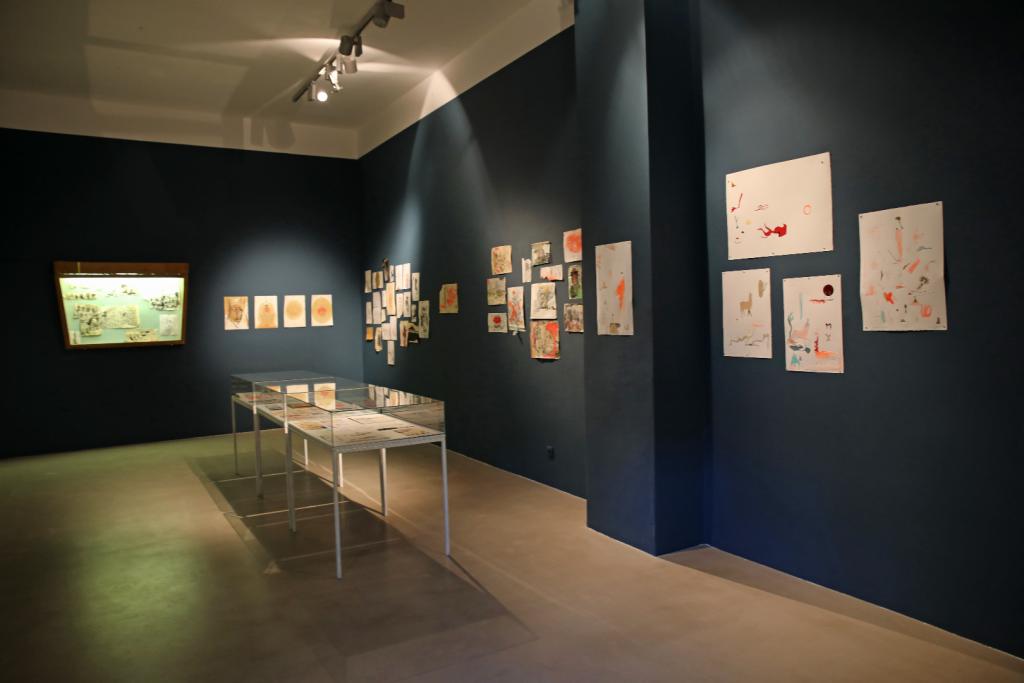
The exhibition conveys the desire to put some of Emilia’s ideas into practice, to make her assumed choices and decisions materialise. It results from the willingness to share beautiful works by a beautiful human being.
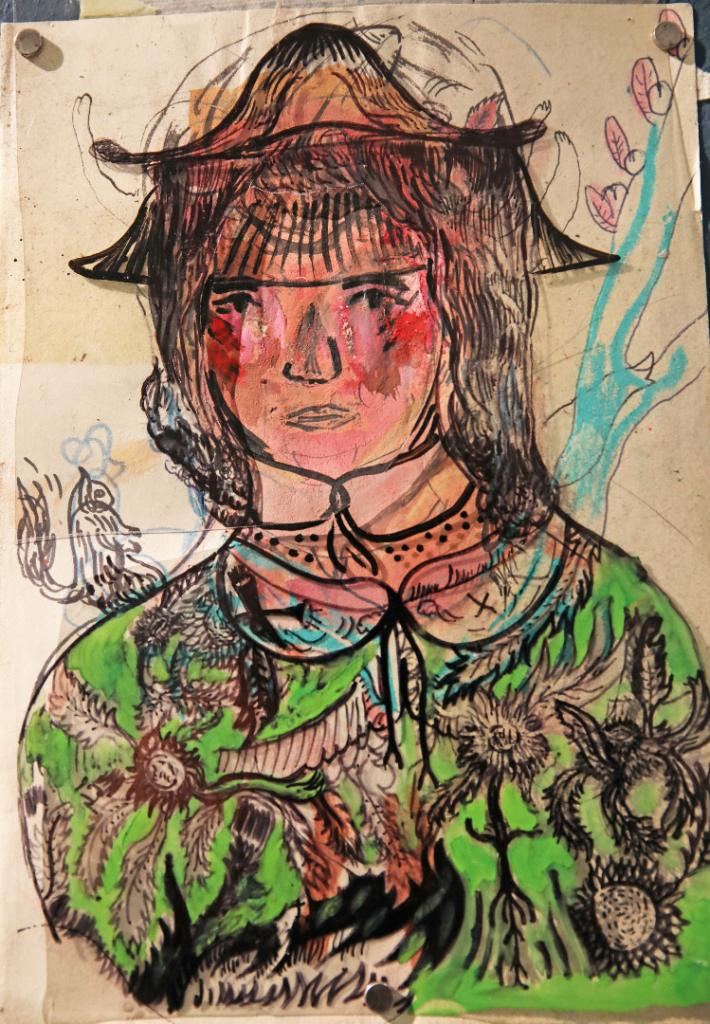
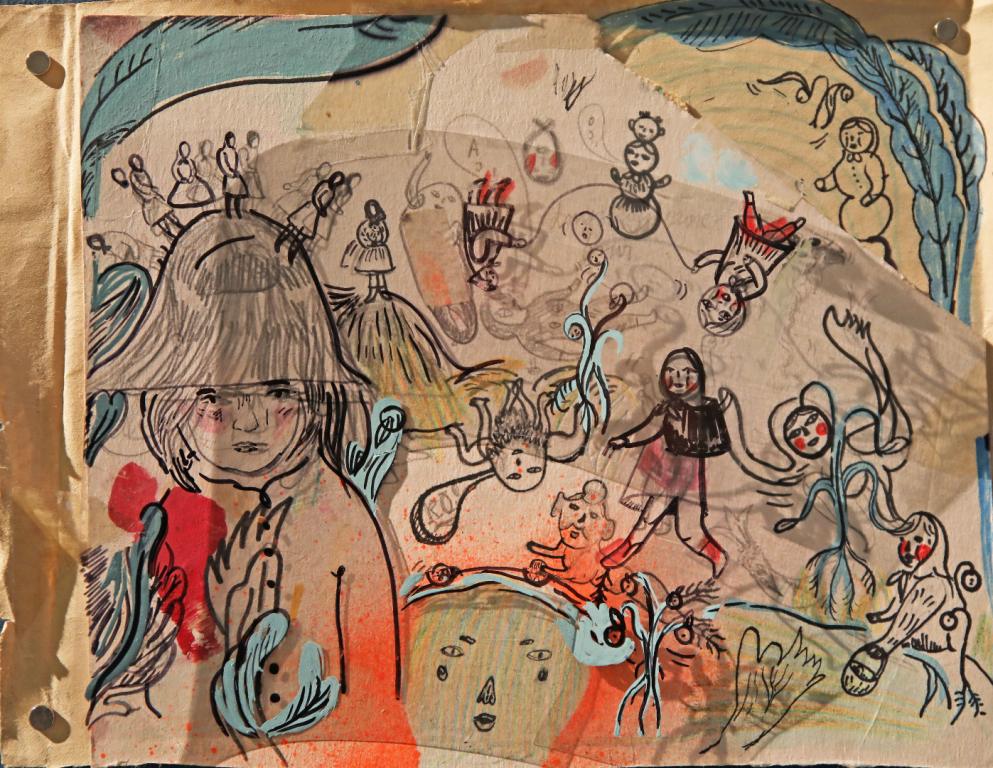
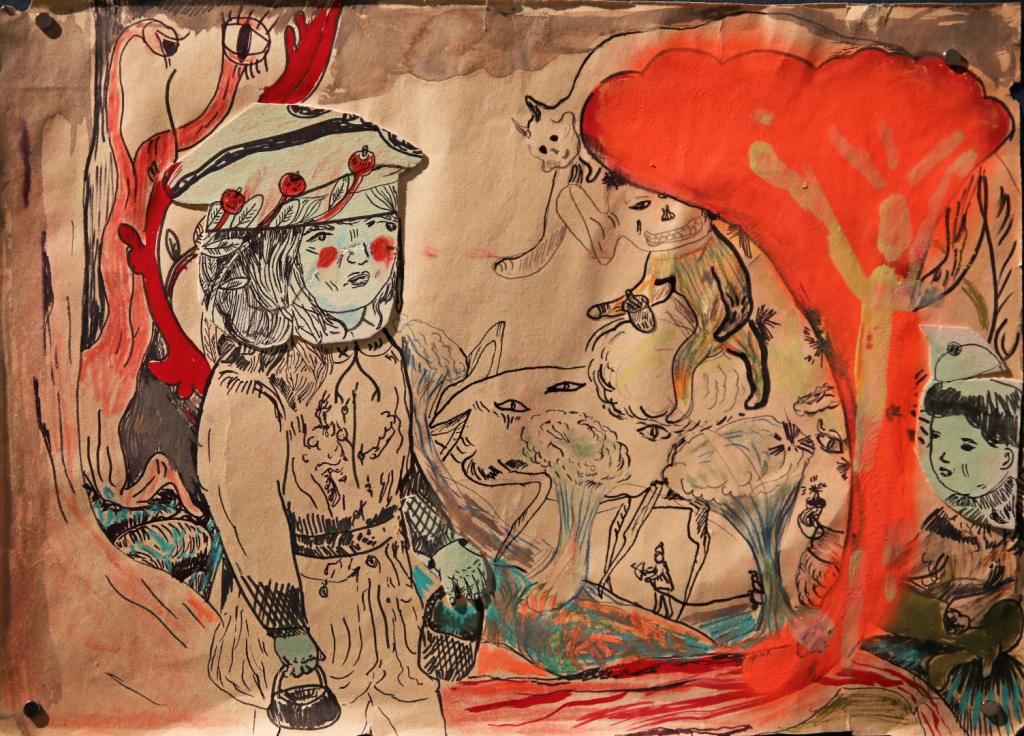
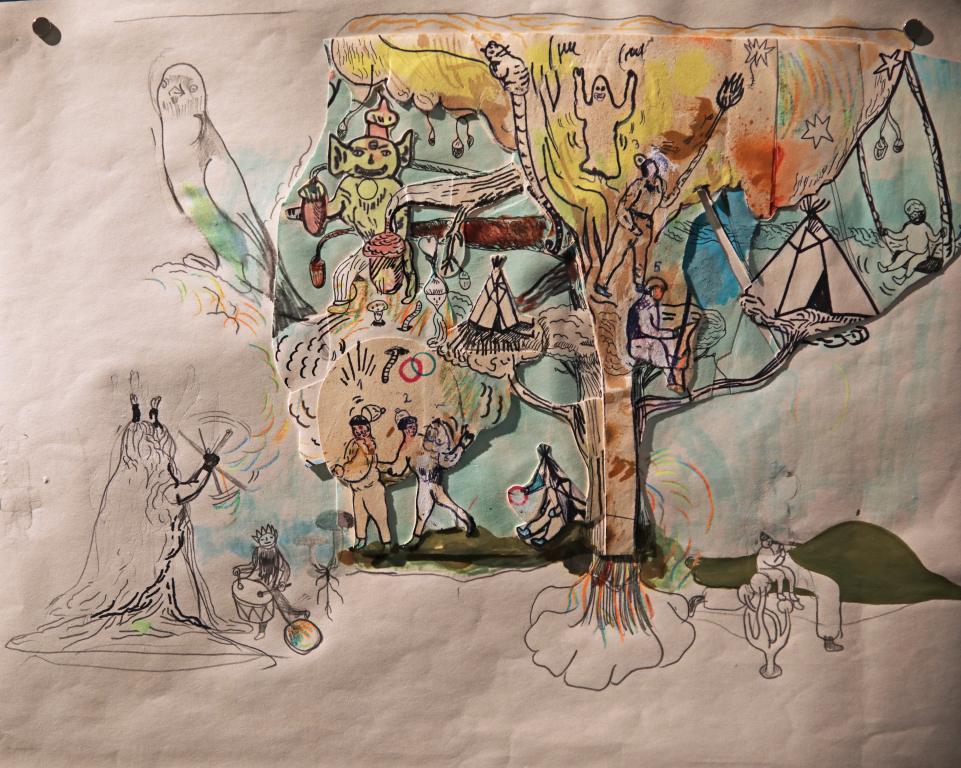
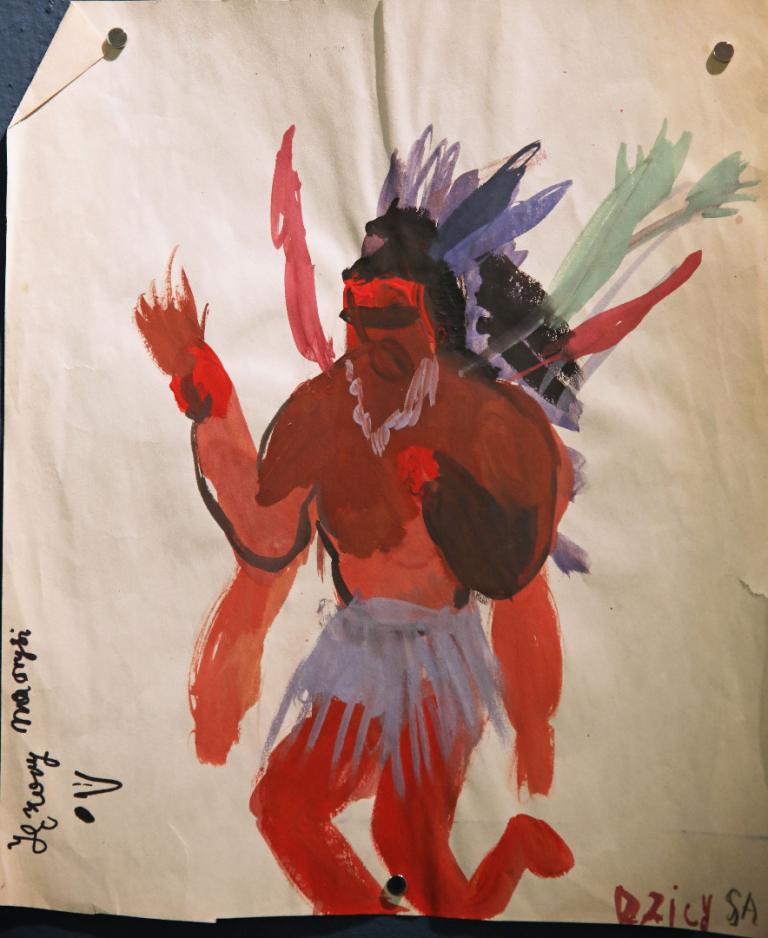
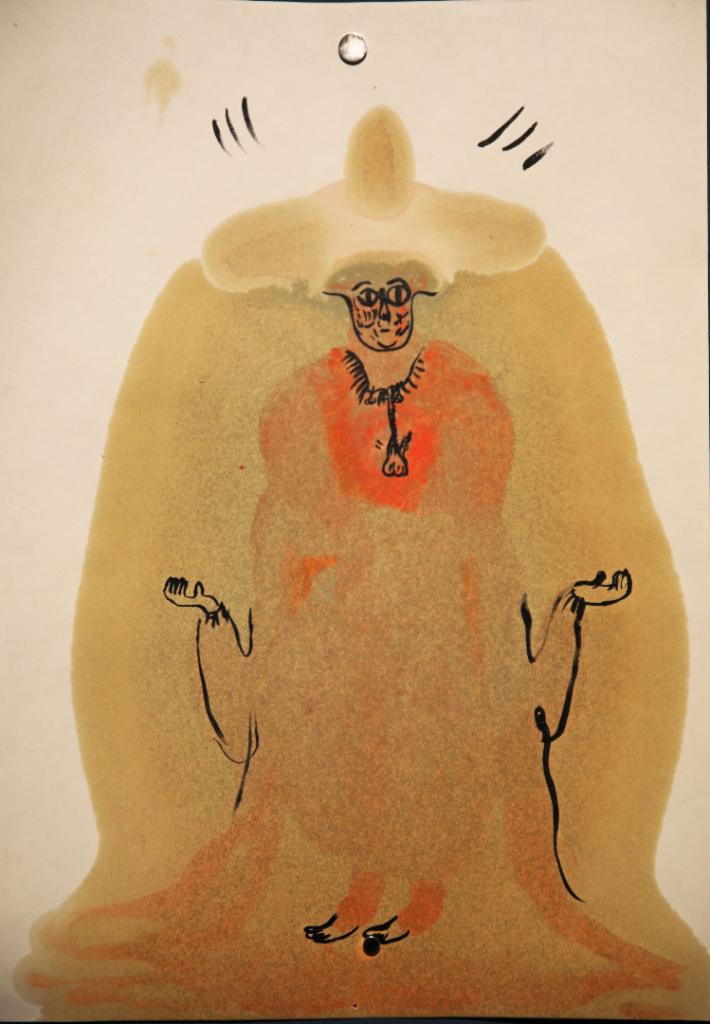
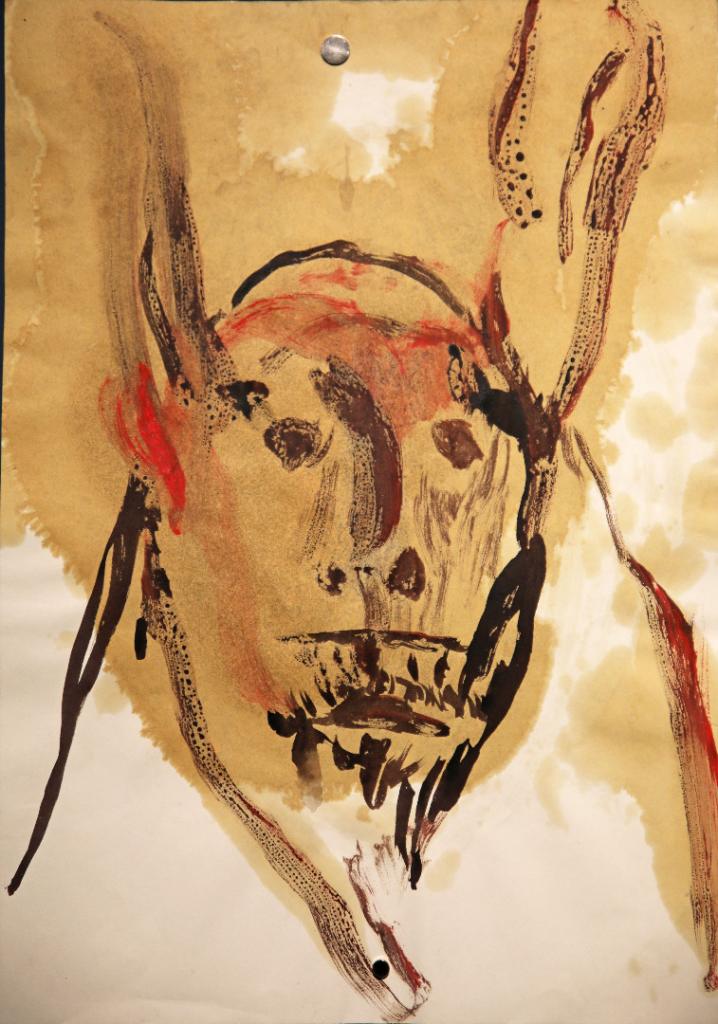
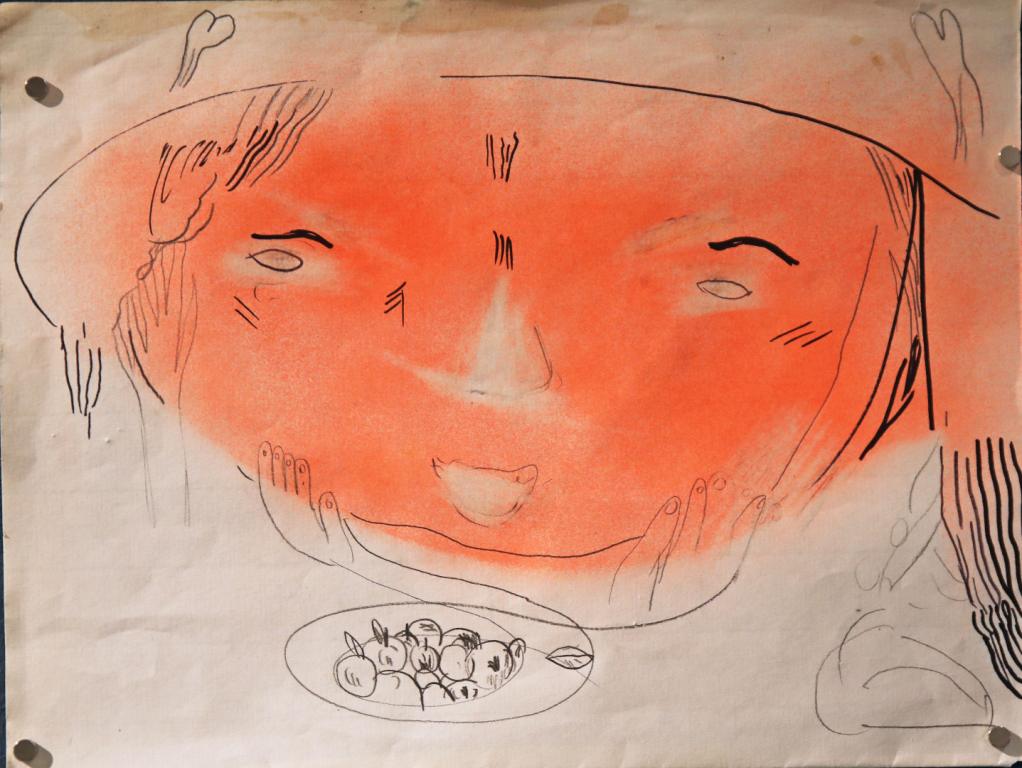
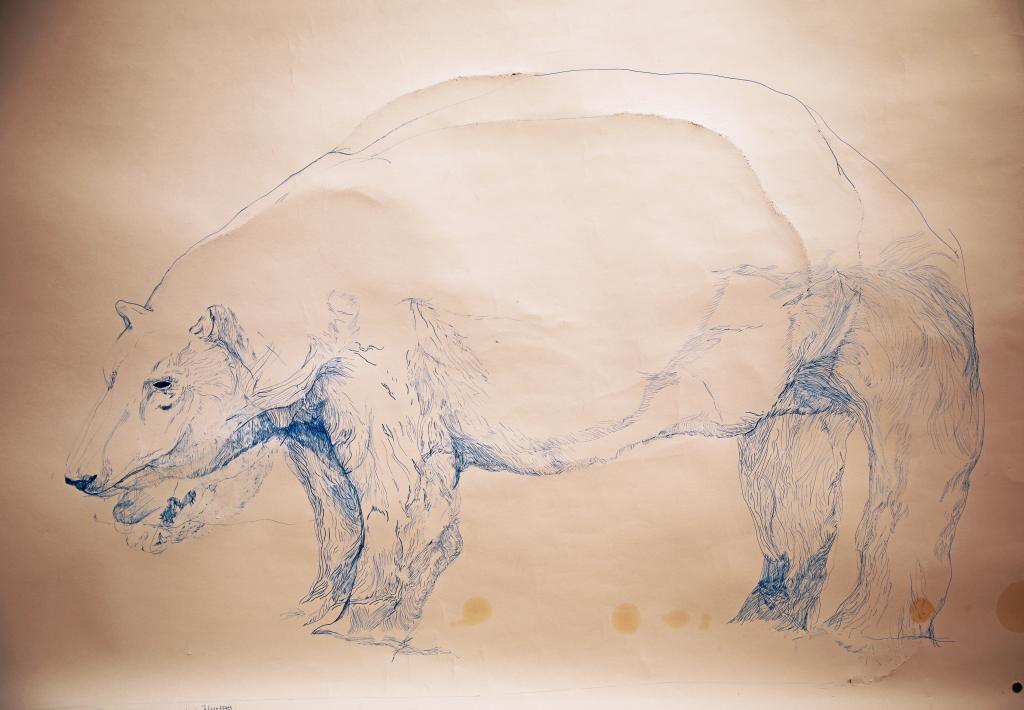
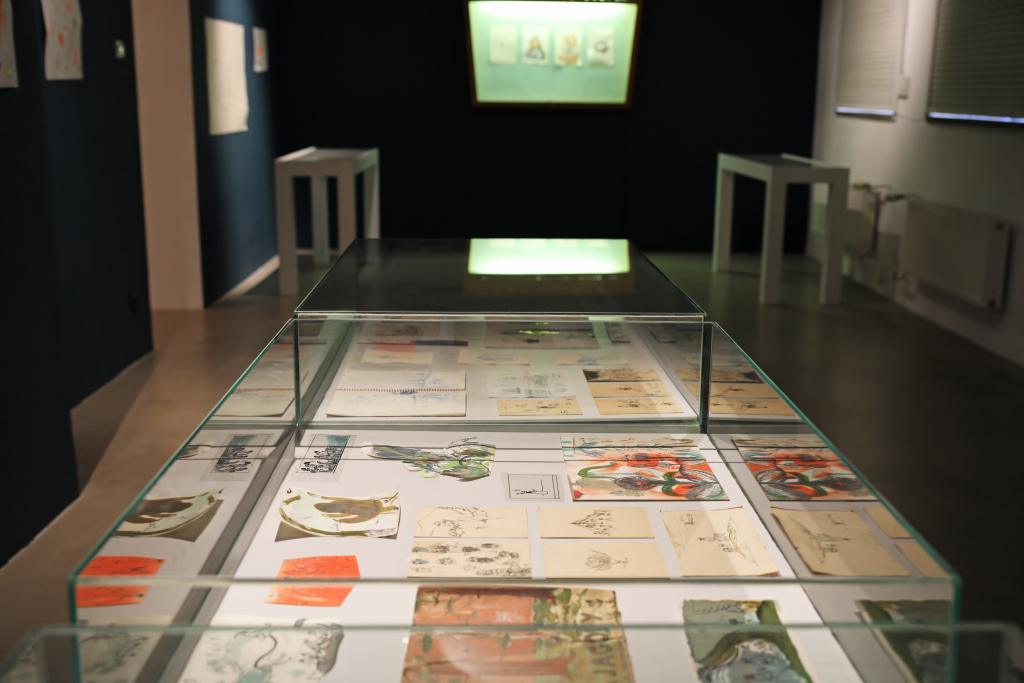
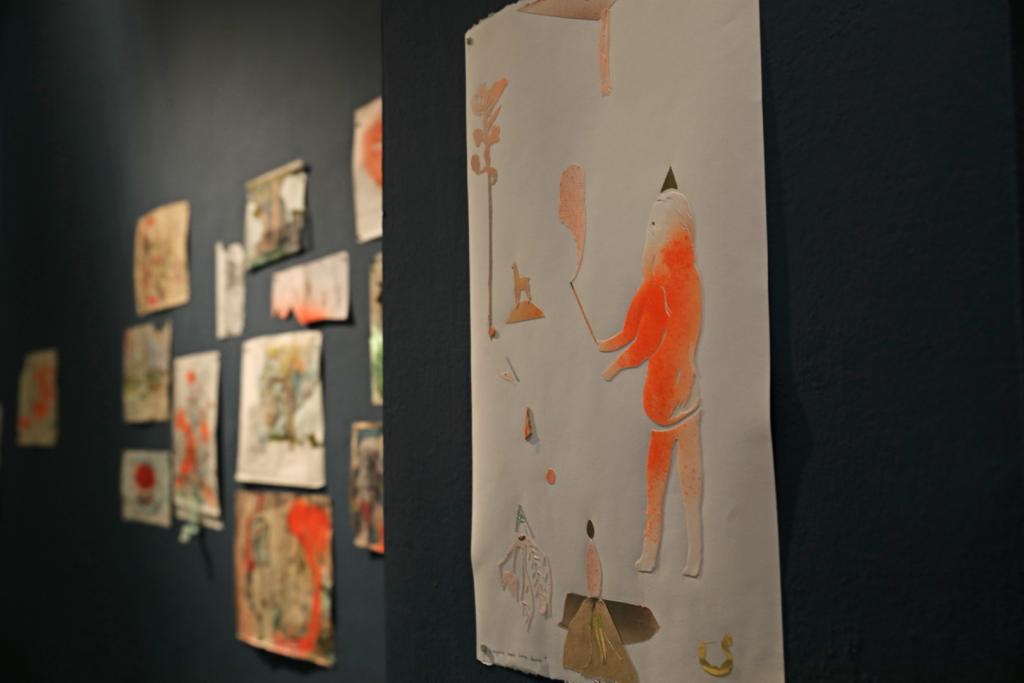
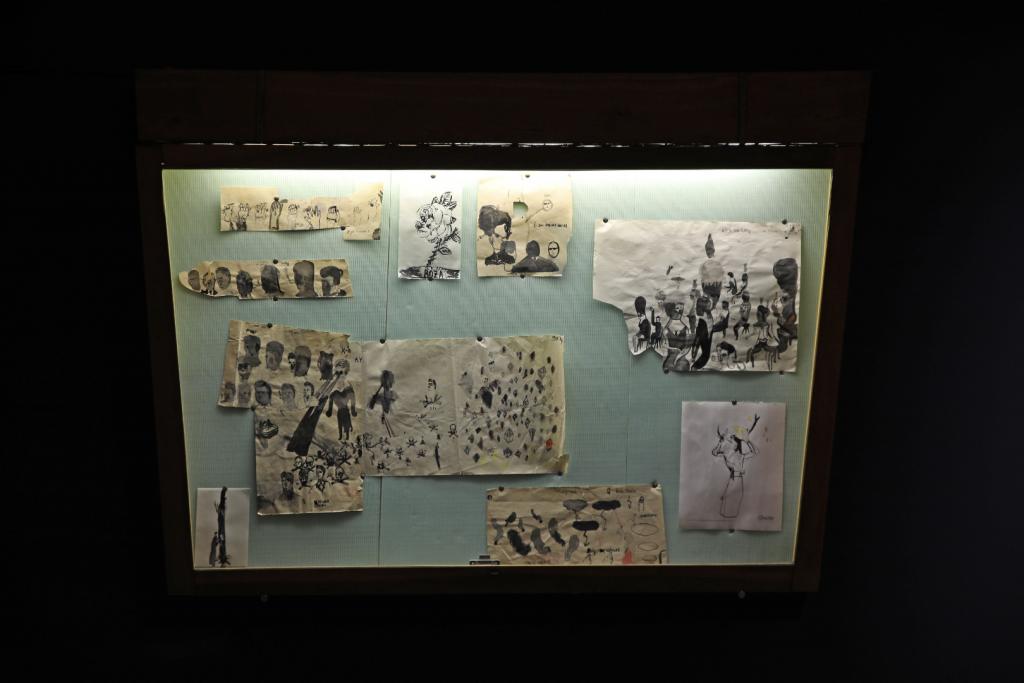
The drawings are extremely detailed. The multiplicity of elements and patterns lends them an even greater spatial dimension; they draw us into their depths, into the world of Emilka’s imagination, inviting us to visit and explore it. Some are dense, crowded, as if their subsequent layers were engaged in a temporal dialogue, whereas others are simplified, synthetic, reduced to scissor cut lines. Cut-out from fancy imported paper or otherwise from silver chocolate foil wrapping or paper scraps found on the floor. Teddy bears for her mum were cut out from tinplate. A letter to her friend was sewn. Everything was art. She could spend all her savings on a dress of her dreams or take just a few minutes to hastily stitch together some pieces of fabric with a skeleton drawing to create an original outfit. If she got an idea to draw two hugging skeletons, then a marathon of attempts began – she would talk about, write about it, draw, paint, sew. She would rattle her works off, create them in a notebook, in a lift.
Johnny, the main character of Na jagody looked different in every drawing. It is not easy to draw Johnny, you need to try. The book illustrations often feature people flying, suspended in mid-air, they do not touch the ground and appear to levitate. Or perhaps they are simply meditating? Vegetation is lush, running wild and strongly embedded in the drawing frames. The trees and flowers always have roots and seem to suck out all their vital juices from the paper; they often do not fit within the sheets and go beyond their edges, beyond the drawn firmament.
Emilia’s drawings bear resemblance to illustrations of children’s fantasies and dreams, coloured or cut out night-time visions – gentle lines alongside vibrant and 'merry’ colours with which the artist created spaces brimming with nature, people and animals as well as strange creatures and ghosts – full-right residents of those worlds.
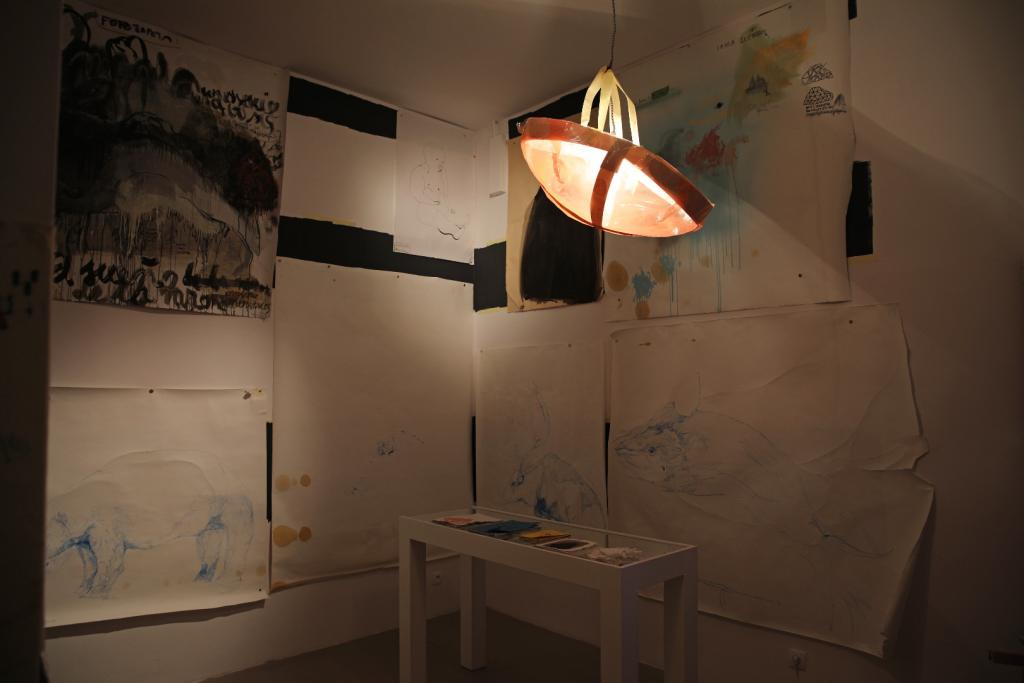
The images overlap, a sheet of colour paper with a drawing pasted on a scrap of a white sheet with a drawing covered by transparent foil with yet another layer of the illustration. Colour patches, black lines and contours multiply, cross and merge producing the feeling of pleasant stupefaction…, or perhaps even hallucination.
She was a perfectionist. If you are not familiar with her art, it is because it was always necessary to improve something, change or make it anew. She loved her drawings, but she was never satisfied and kept on working. And we are now showing them just as she left them on her messy desk, under the table, in a drawer. We even dare to publish a book. Na jagody was around for years; it is hard to say how many versions were created in the process. What is merely a sample, a sketch, and what is a completed (ha!) illustration? Which drawings would she accept, which would she repaint one hundred times more, and which would she use as a gift wrapping? These are very difficult decisions that we need to take now. The only thing that makes it easier is that we are working with outstandingly beautiful things. There are no irreplaceable people, so the saying goes. Nonsense.
I have a huge distance to what I do.
Yes, I guess I’d want it to be viewed as nice… nice pictures.
My drawings, they are my notes: about my feelings, what I see – what catches my eye.
(…)
At the beginning I wasn’t entirely sure what this exhibition would become, frankly speaking.
It is also somehow gaining shape here.
(…) In the past I wasn’t able to discard any of them (pictures), but now I think I’d even want to share all of them…
I’d be very happy to hang them in white frames, but unfortunately we don’t have white frames…
I don’t know where this custom comes from that art has to be viewed on white walls, under a lamp, in a golden frame …
In reality, it is everywhere …*
*Emilka’s statements quoted from a conversation with Małgorzata Żerwe recorded on the occasion of the exhibition Very Nice Pictures at the Żak Gallery in 2011.
Emilia Bartkowska (b. 9 November 1986 – d. 7 October 2014)
Versatile artist, illustrator, designer, drawer, enthusiast of “trash art.” In 2011, she graduated from the Academy of Fine Arts in Warsaw with a diploma (with distinction) in book design from Prof. Maciej Buszewicz’s book design studio and the illustration studio run by Prof. Zygmunt Januszewski and Monika Hanulak. She previously studied graphic art for three years at the Academy of Fine Arts in Gdańsk at the illustration studio under Dr hab. Jadwiga Okrassa. She collaborated as a graphic designer with a broad range of institutions and publishing houses, such as the National Museum in Gdańsk, PTTK Shelter on Hala Kondratowa in Zakopane, MI-RO-RO Foundation in Kolbudy, Profile Gallery in Warsaw, as well as magazines Viva! and Kikimora. Participant in many exhibitions in Poland and abroad, including Germany and Cuba. Creator of the original interior of room no. 100 at the artistic hotel ARTHOTEL LALALA on the outskirts of Sopot with rooms decorated by visual artists Joanna Piaścik, Honorata Martin and Ula Wasilewska, Kuba Bąkowski, Jakub Rebelka, amongst other figures.