Venue: Gdańsk City Gallery 1, Piwna 27/29
Dates: 30.5-14.09.2025
Opening: 30.5.2025, 18.00
Artists: Hubert Gromny, Ant Łakomsk, Cyryl Polaczek, Agata Popik, Tytus Szabelski-Różniak, Karolina Szwed
Curators: Piotr Policht, Janek Owczarek
Graphic identity: Marcel Kaczmarek
Opening hours: Tuesday-Sunday, 12.00 PM – 6.00 PM
When the day fades, and the night has not yet cast its shadows, the sun, already hiding behind the earthly horizon, seems to bid it farewell, brightening it with its final rays. The sky then bursts into purple reflections and […] eventually dissolves into the grey mist of twilight. It is a moment for reverie and contemplation. The soul, overcome by tender yearning, feels the melancholy that pervades nature.
Cyprian Godebski, 1875
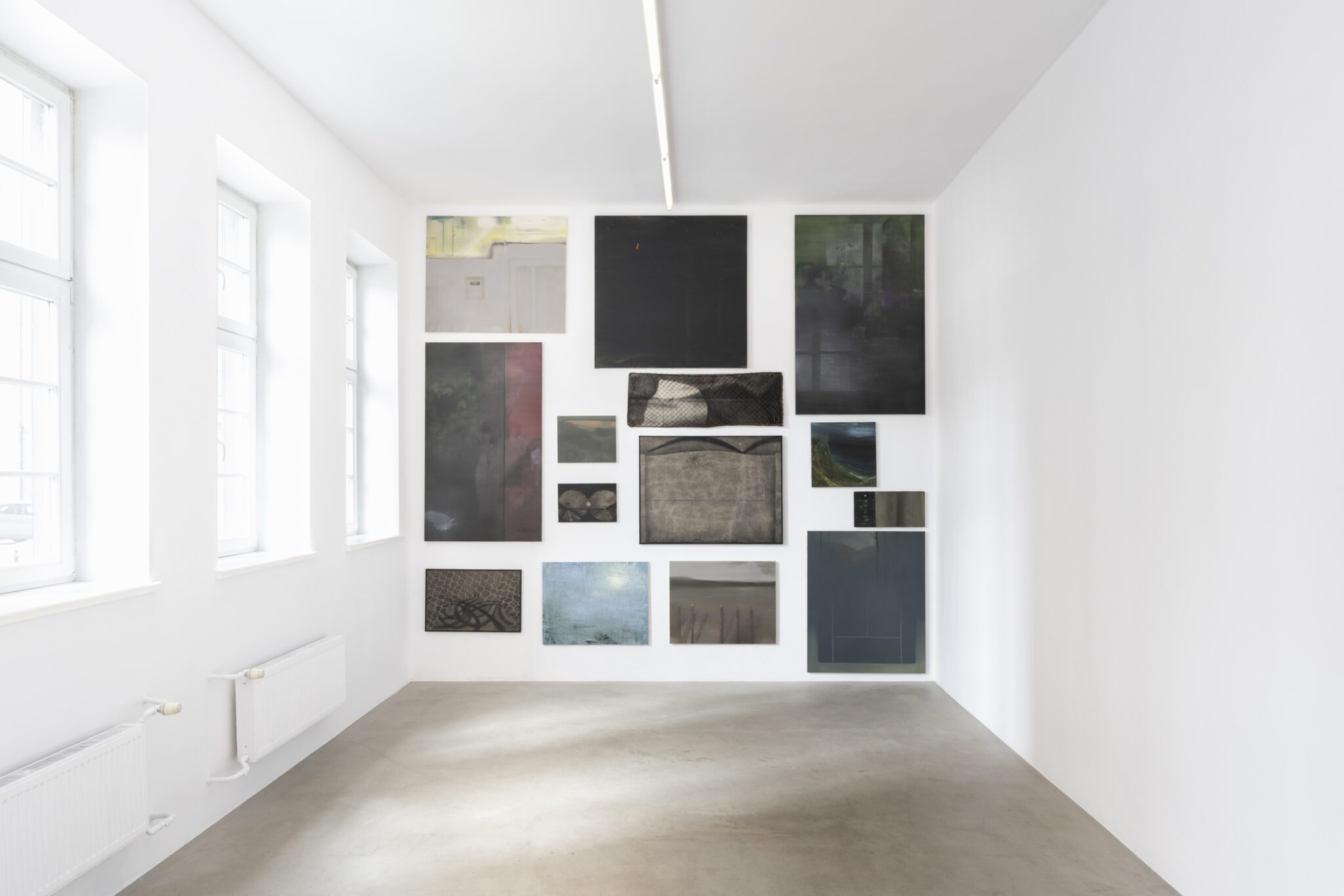
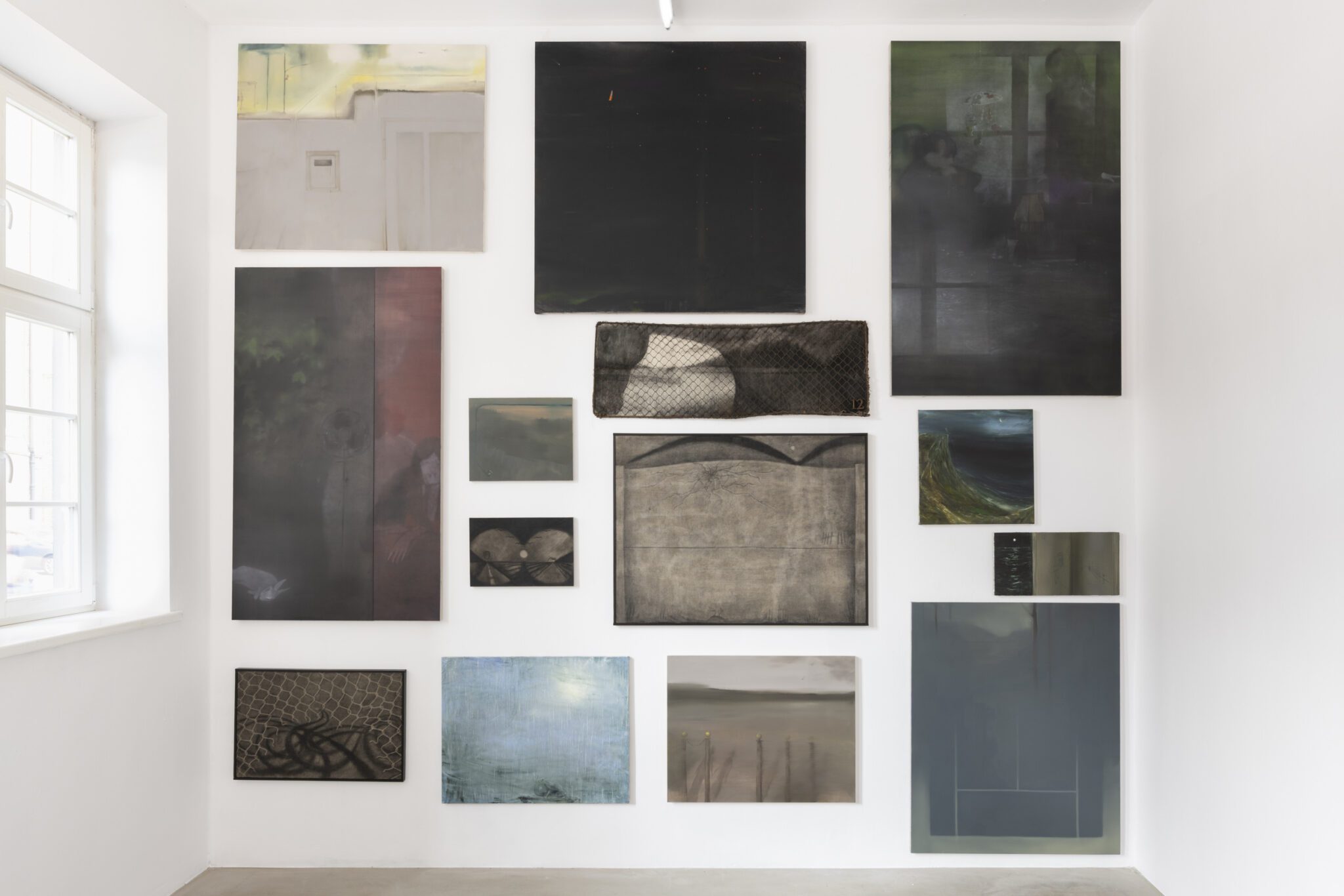
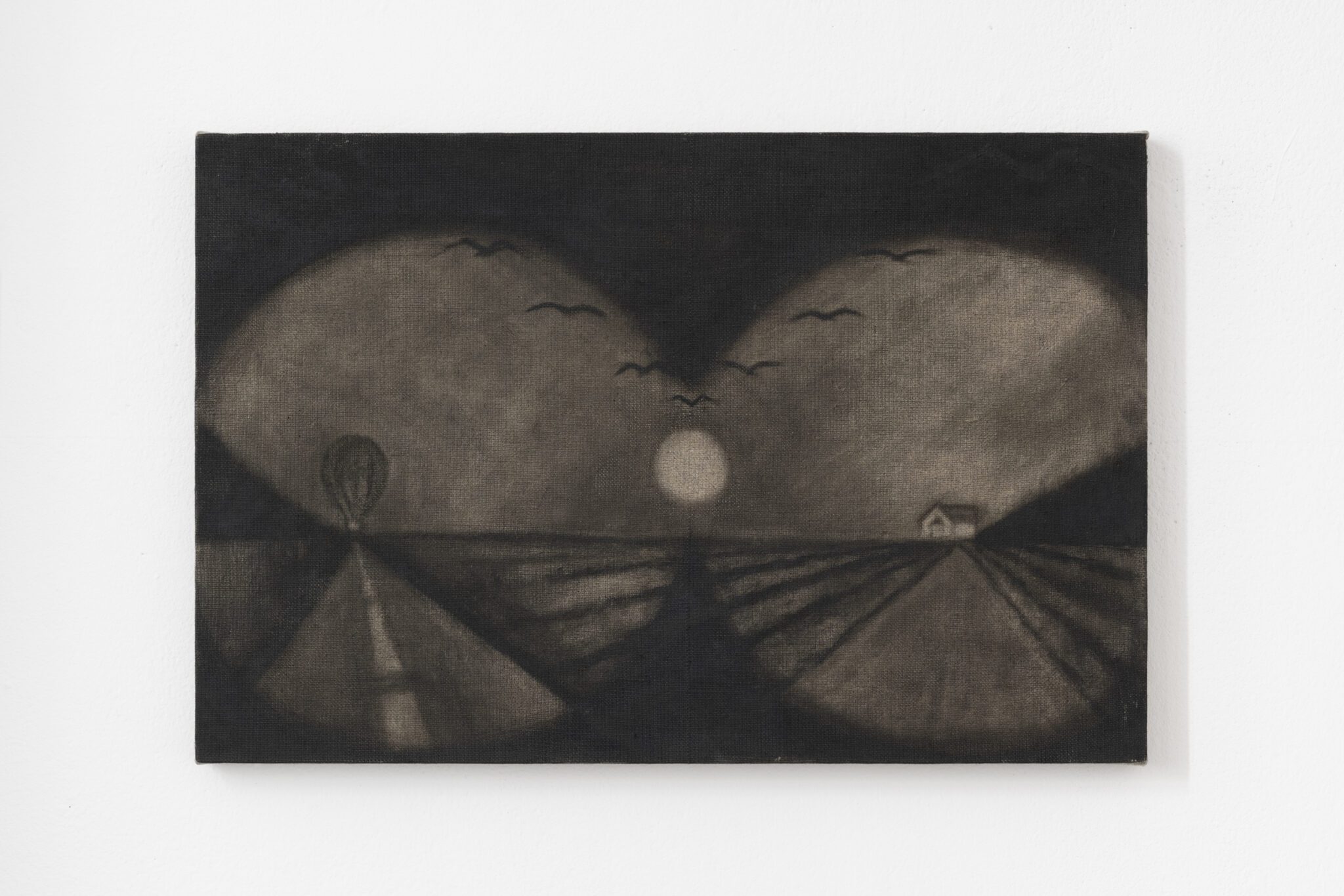
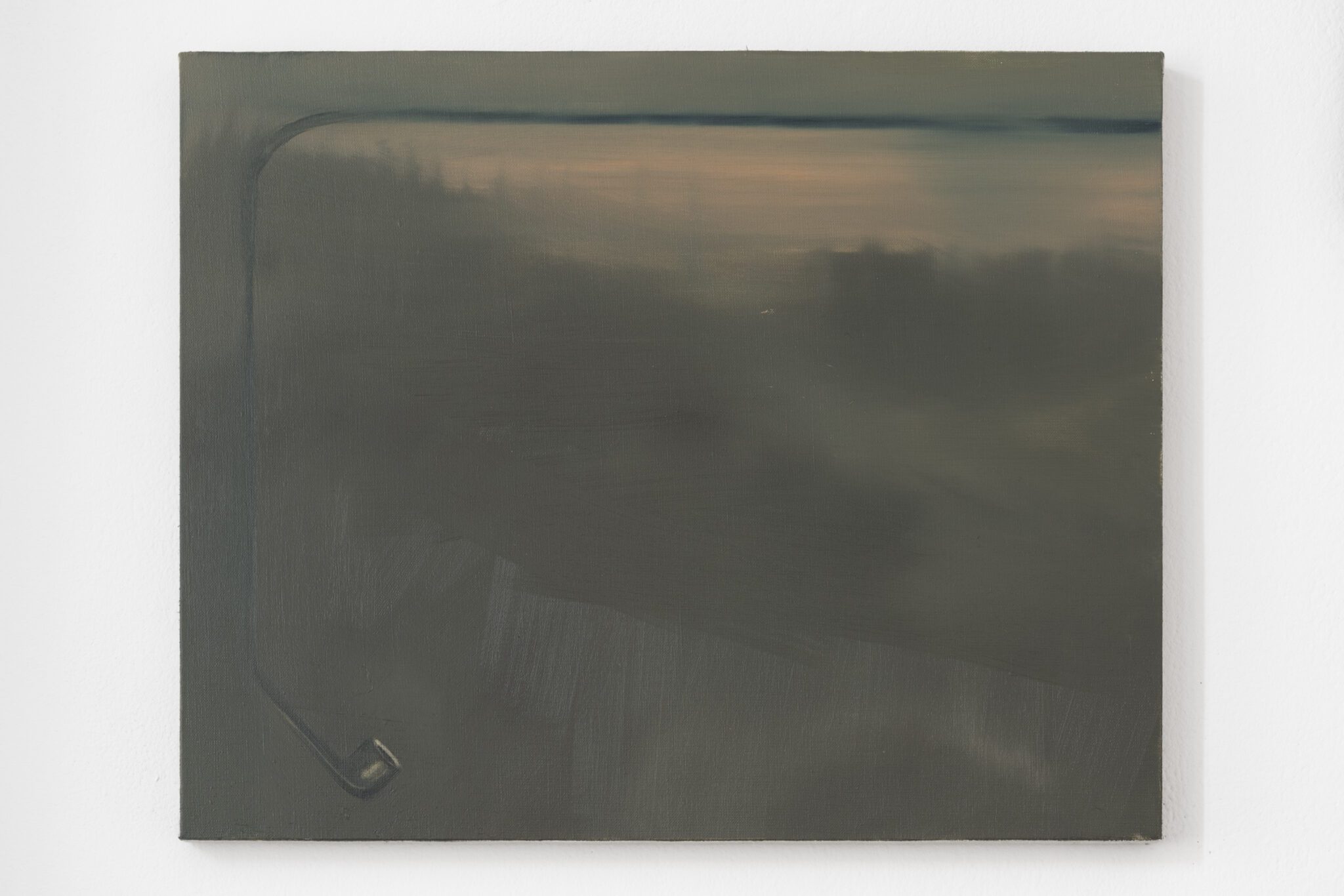
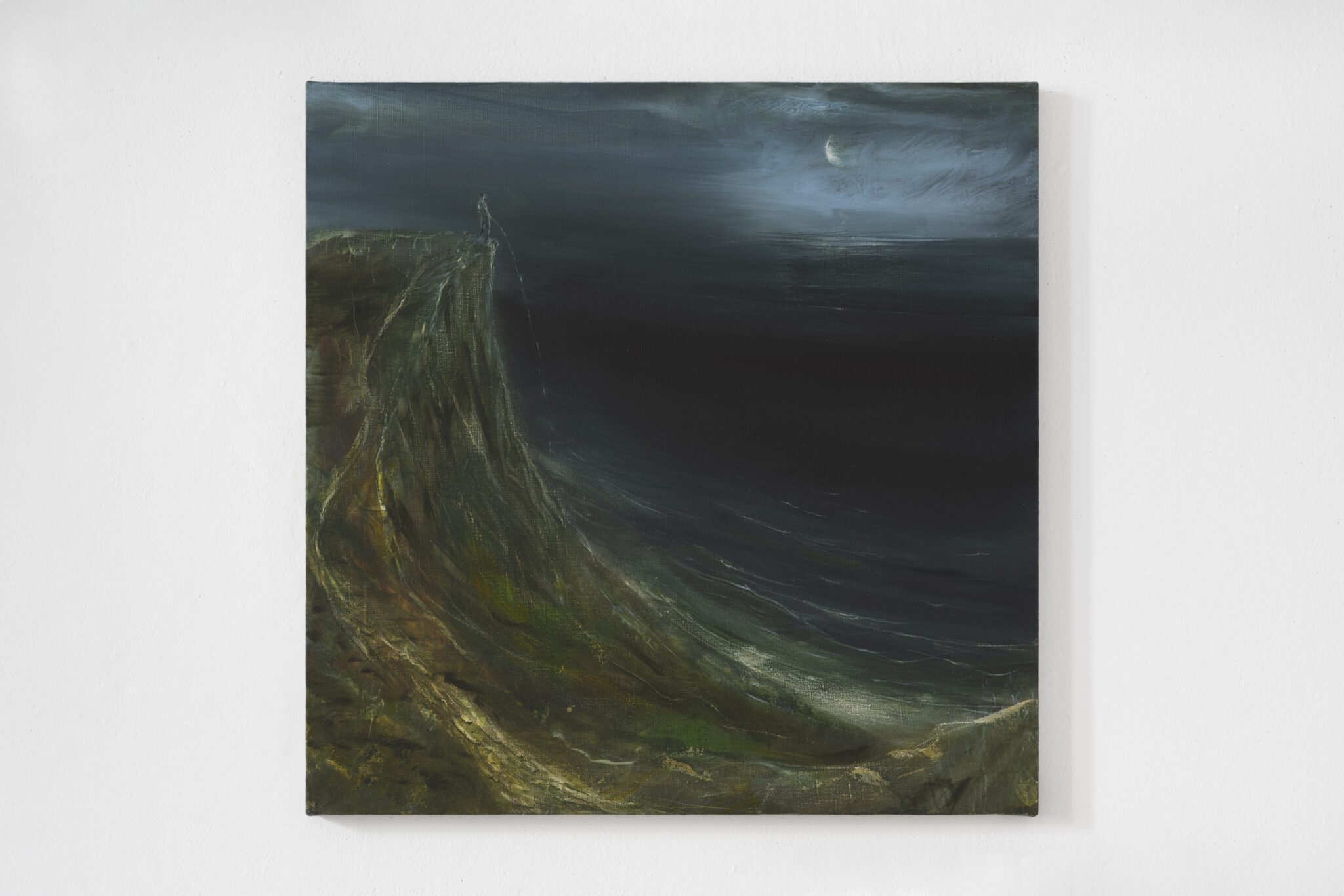
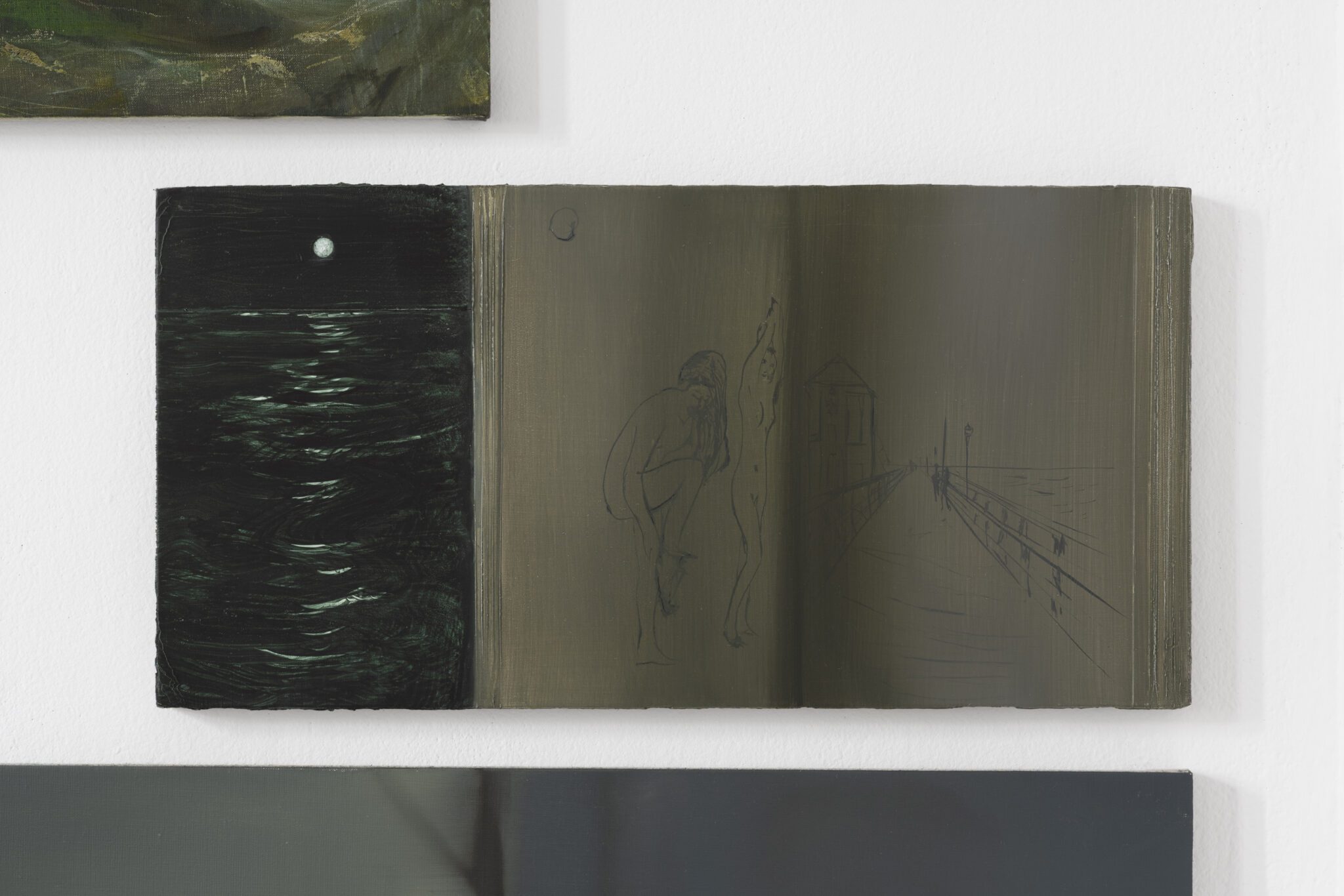
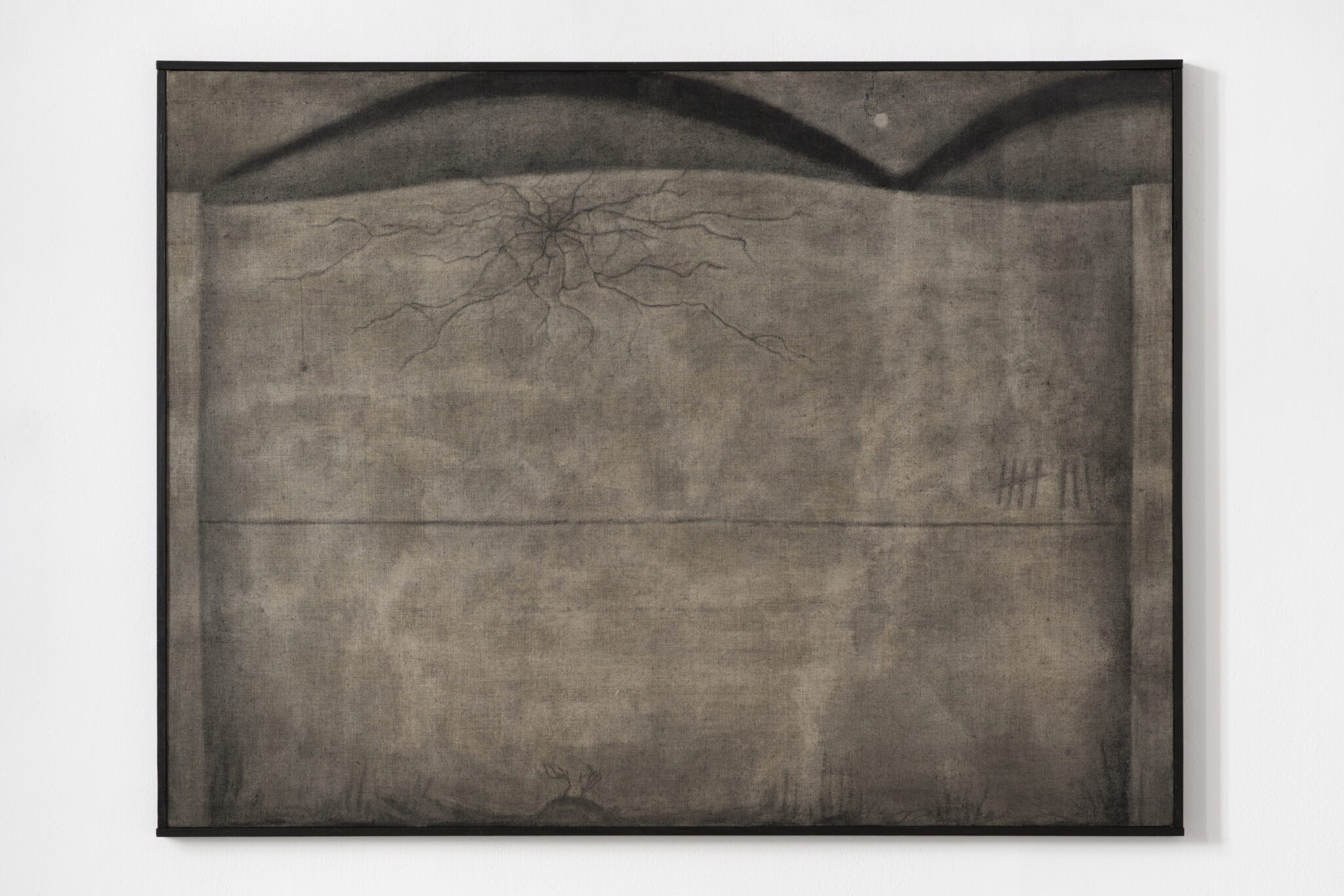
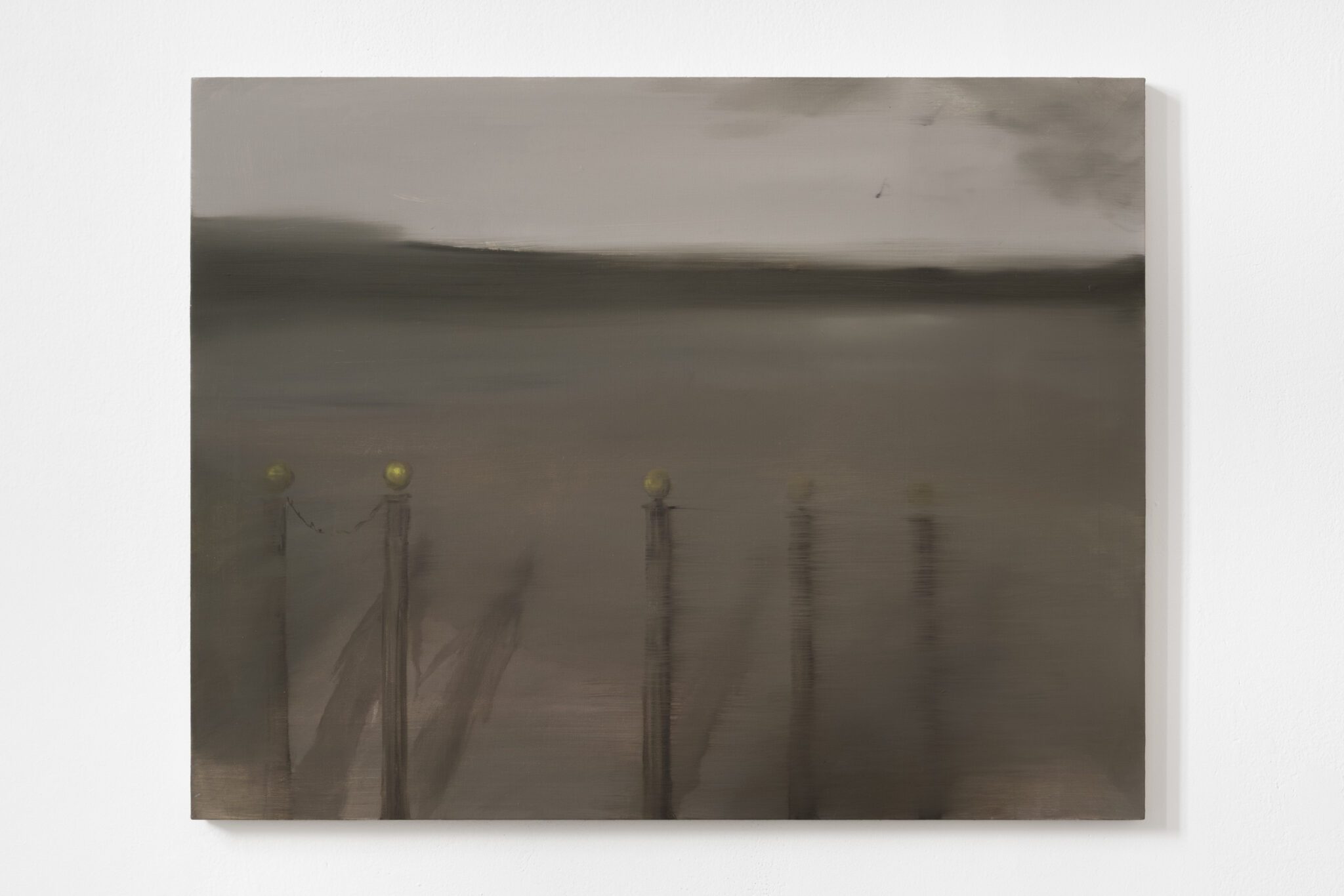
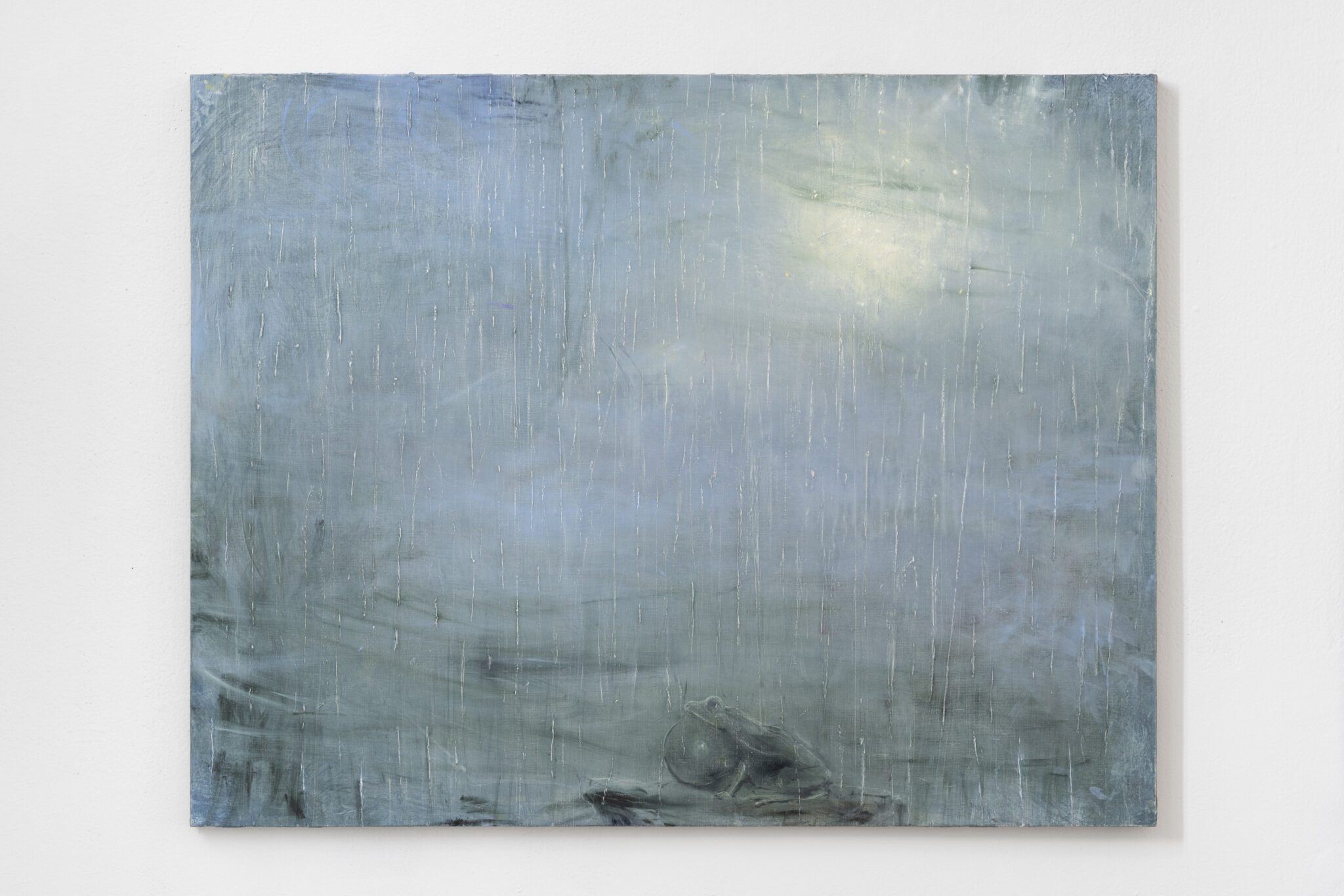
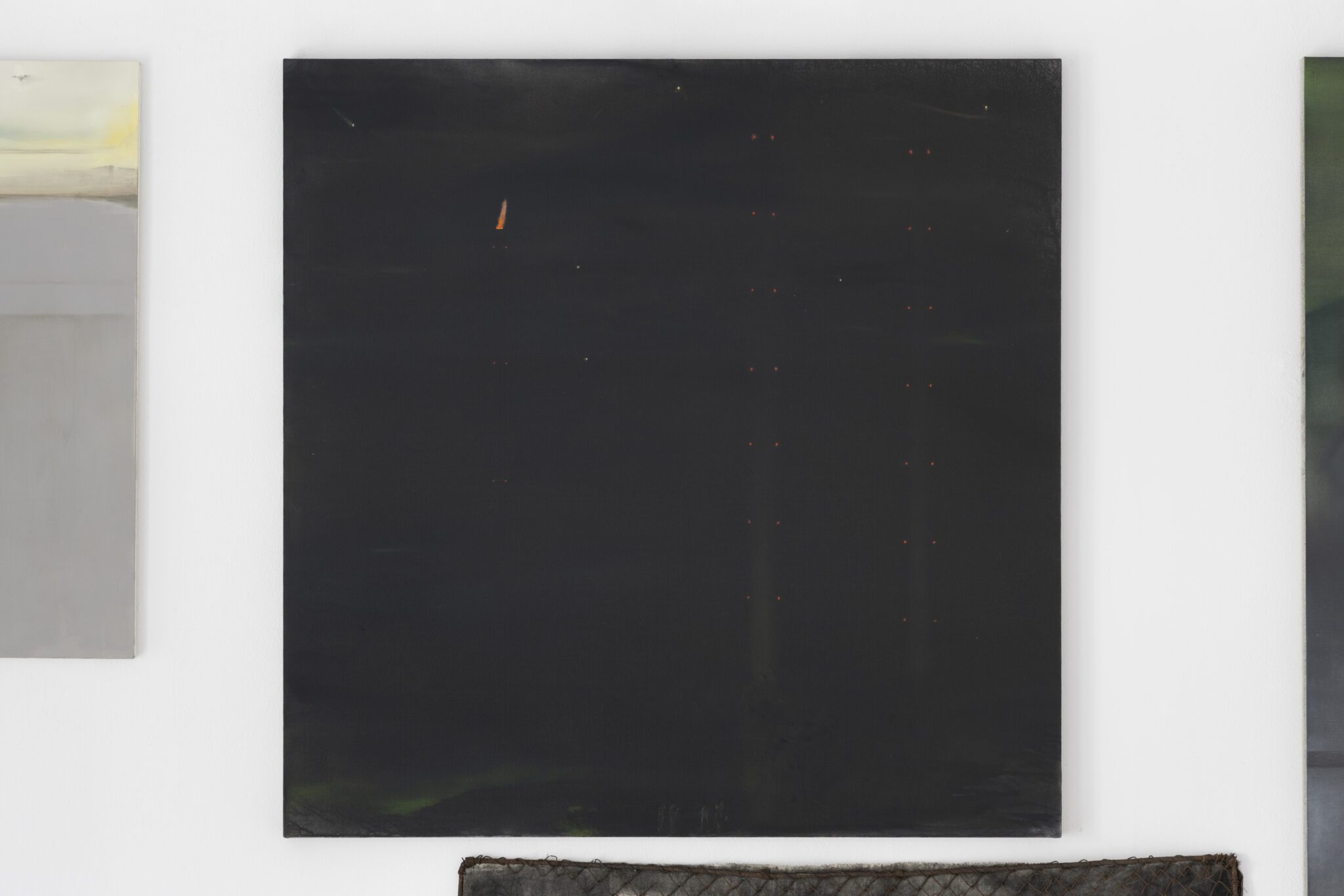
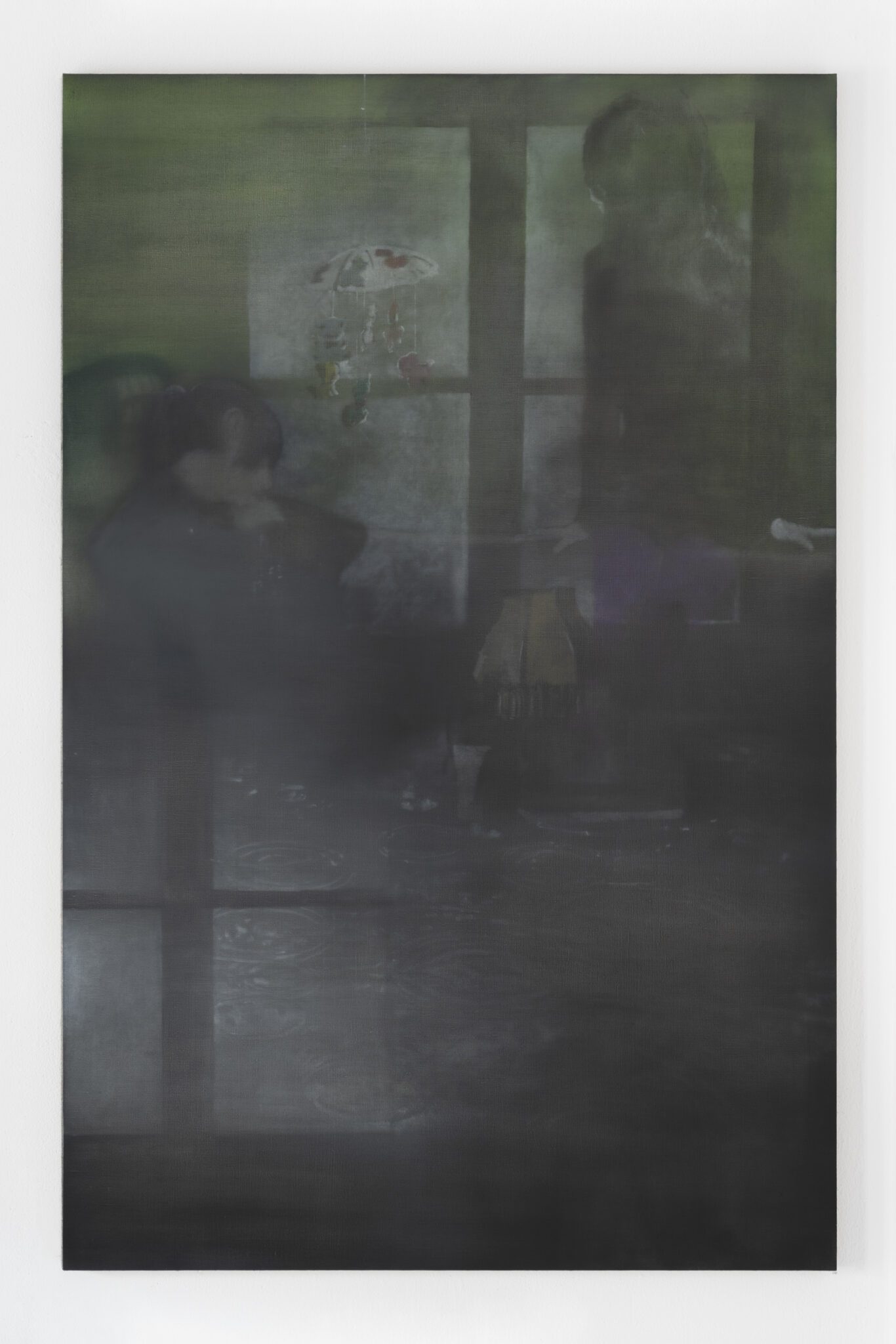
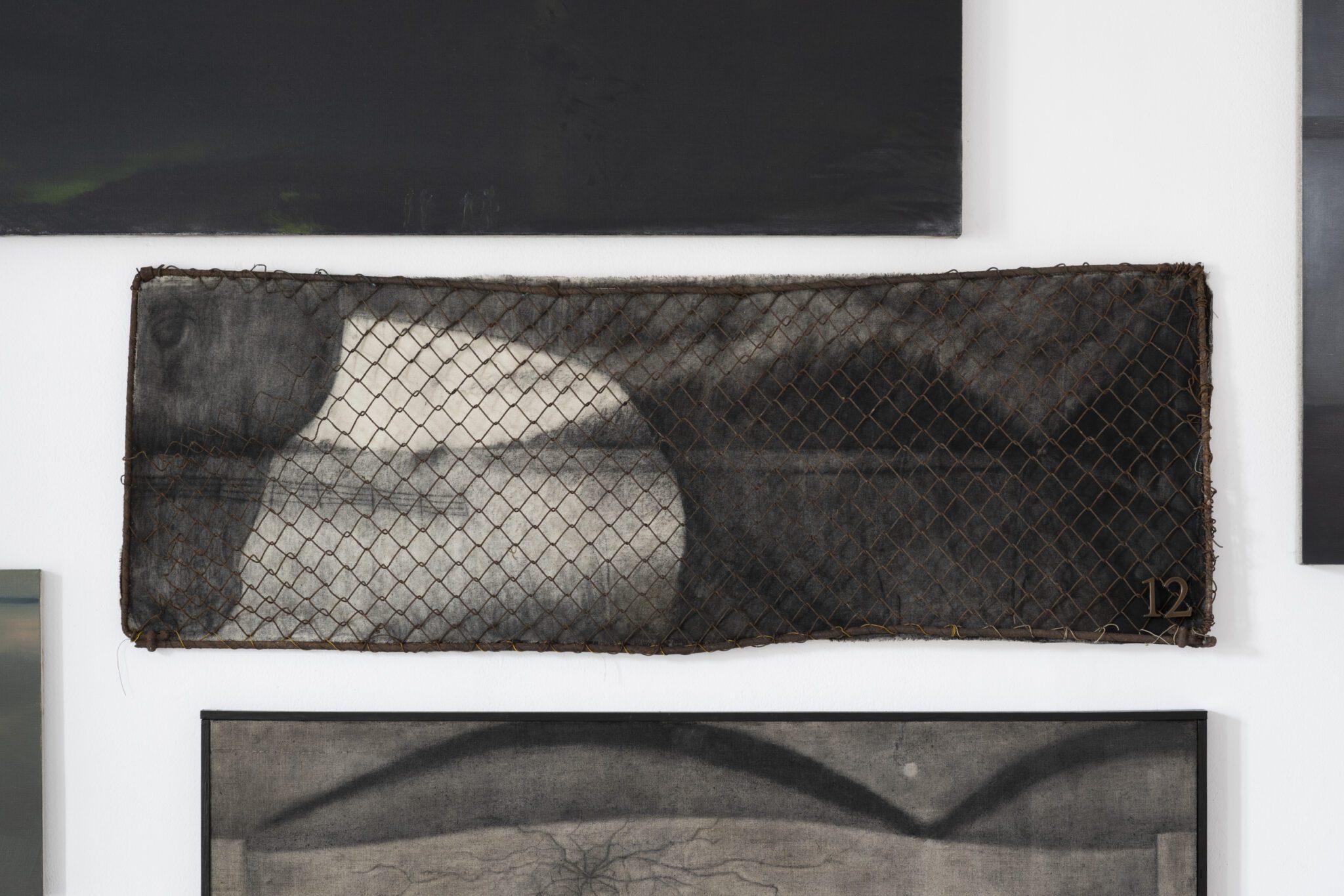
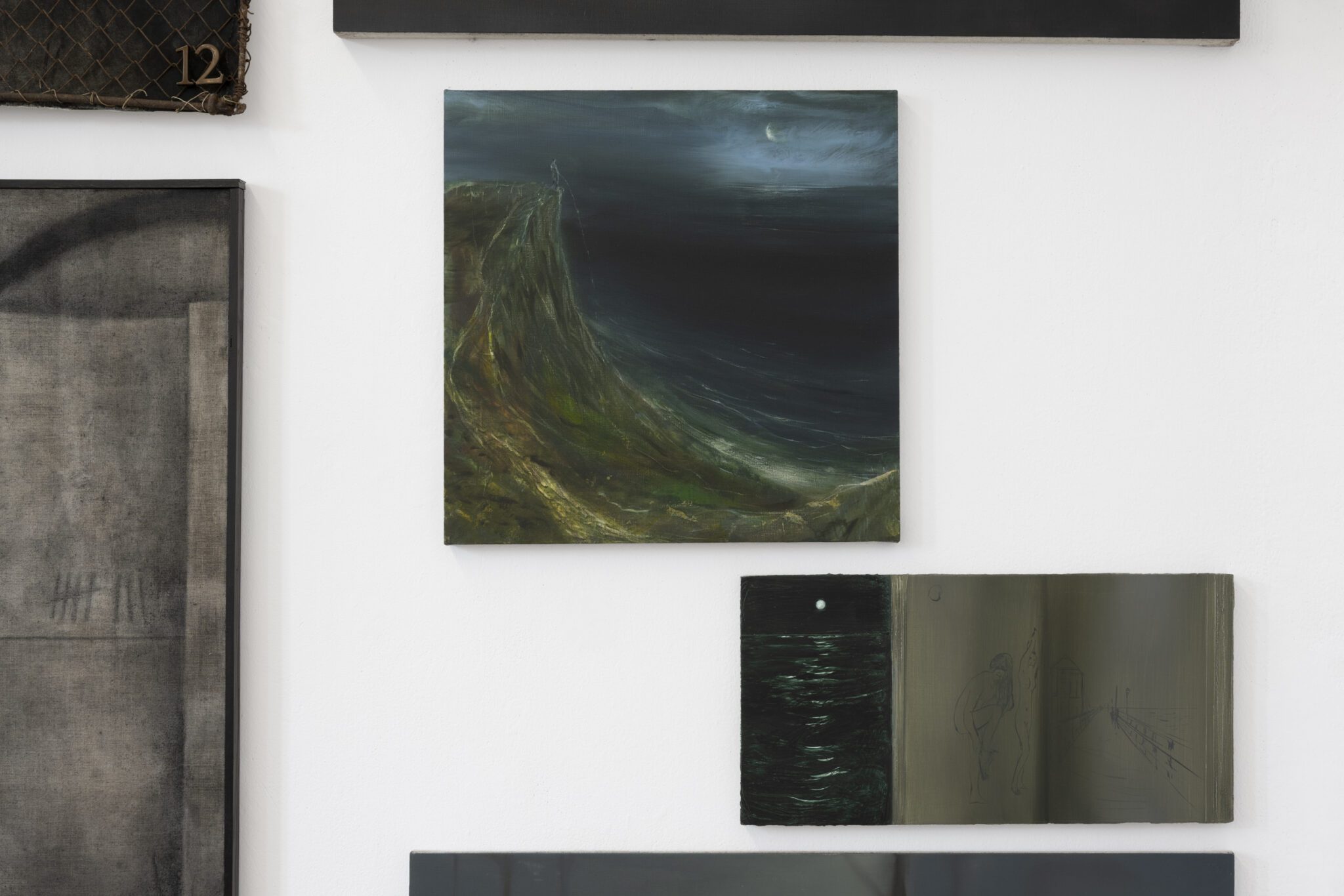
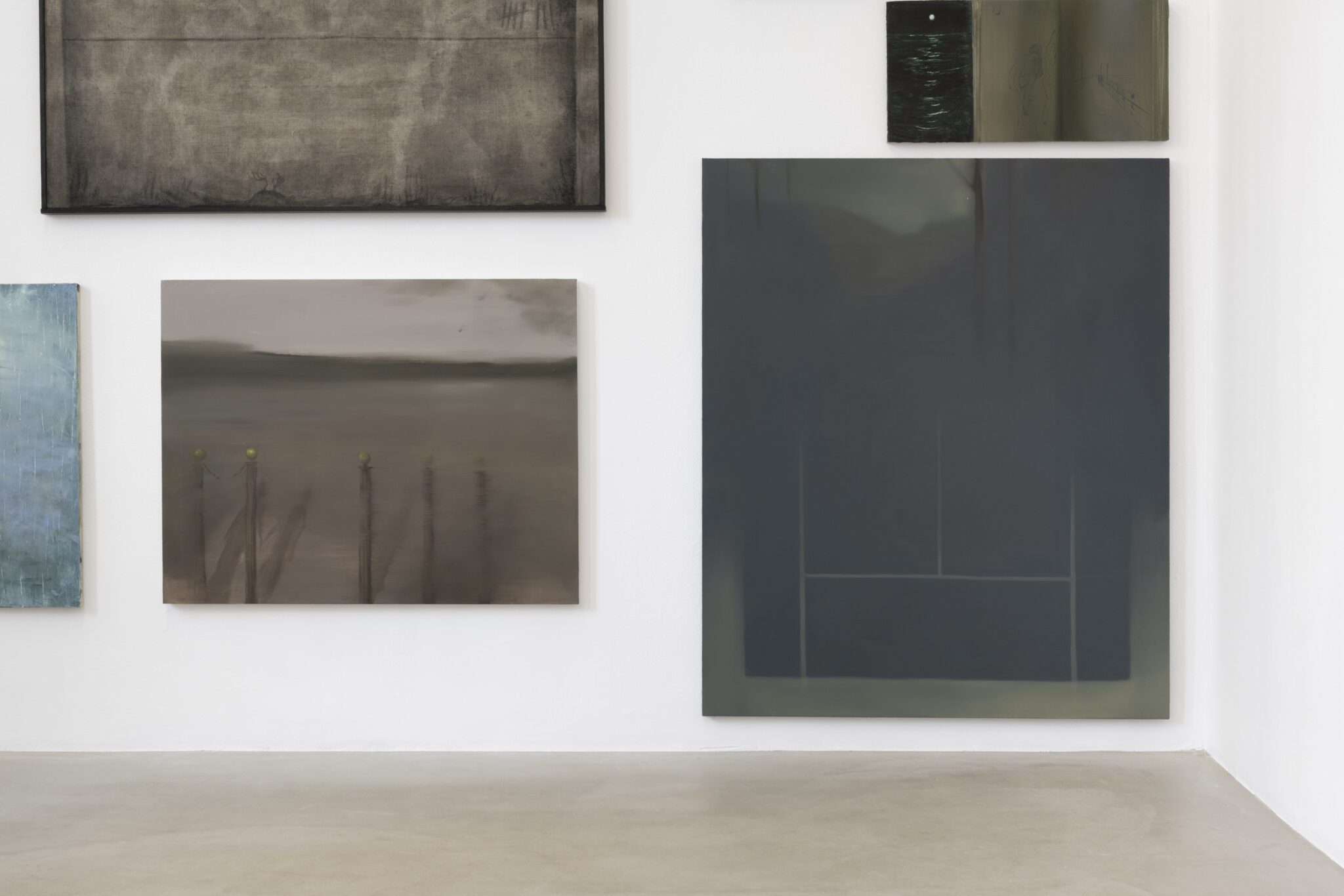
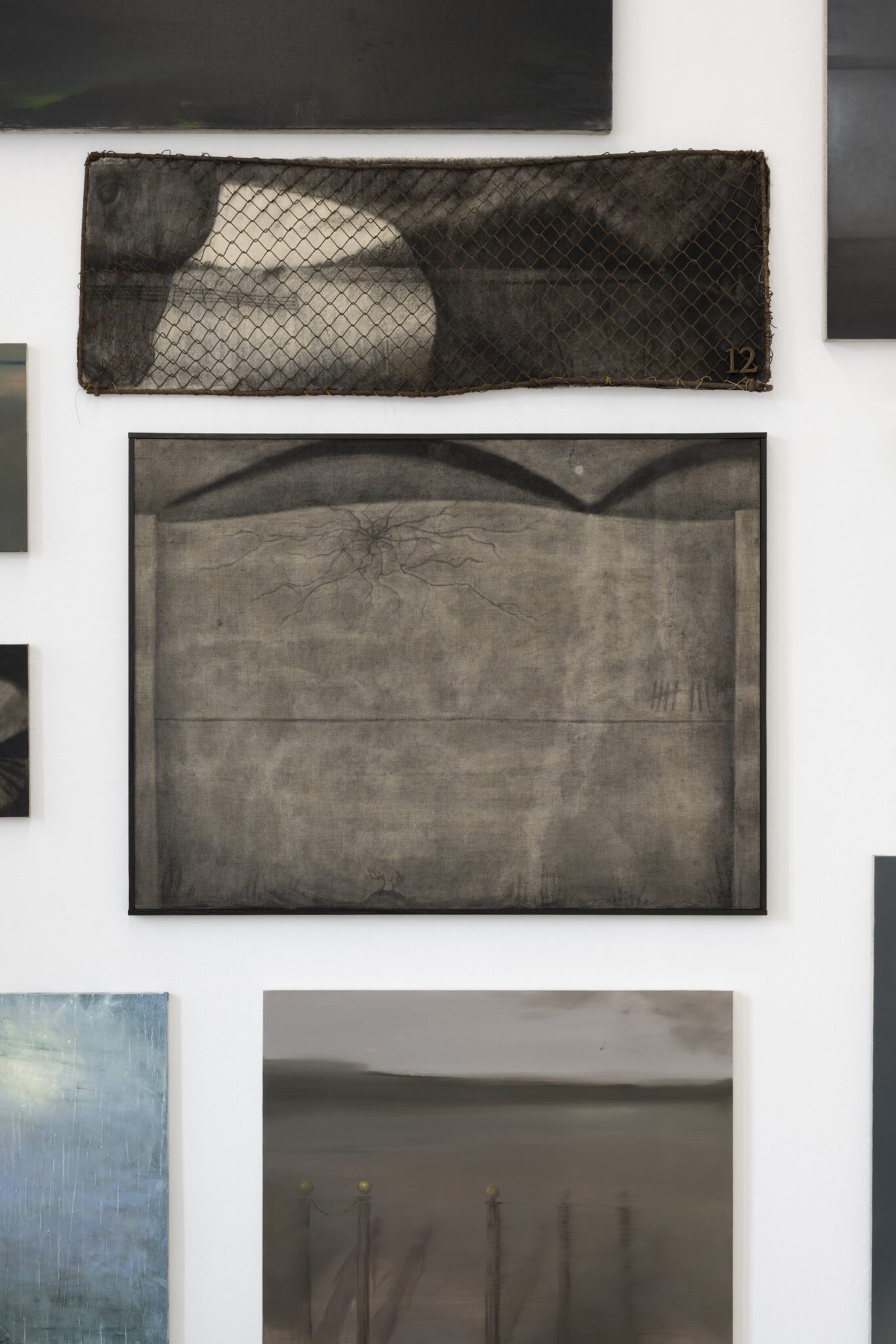
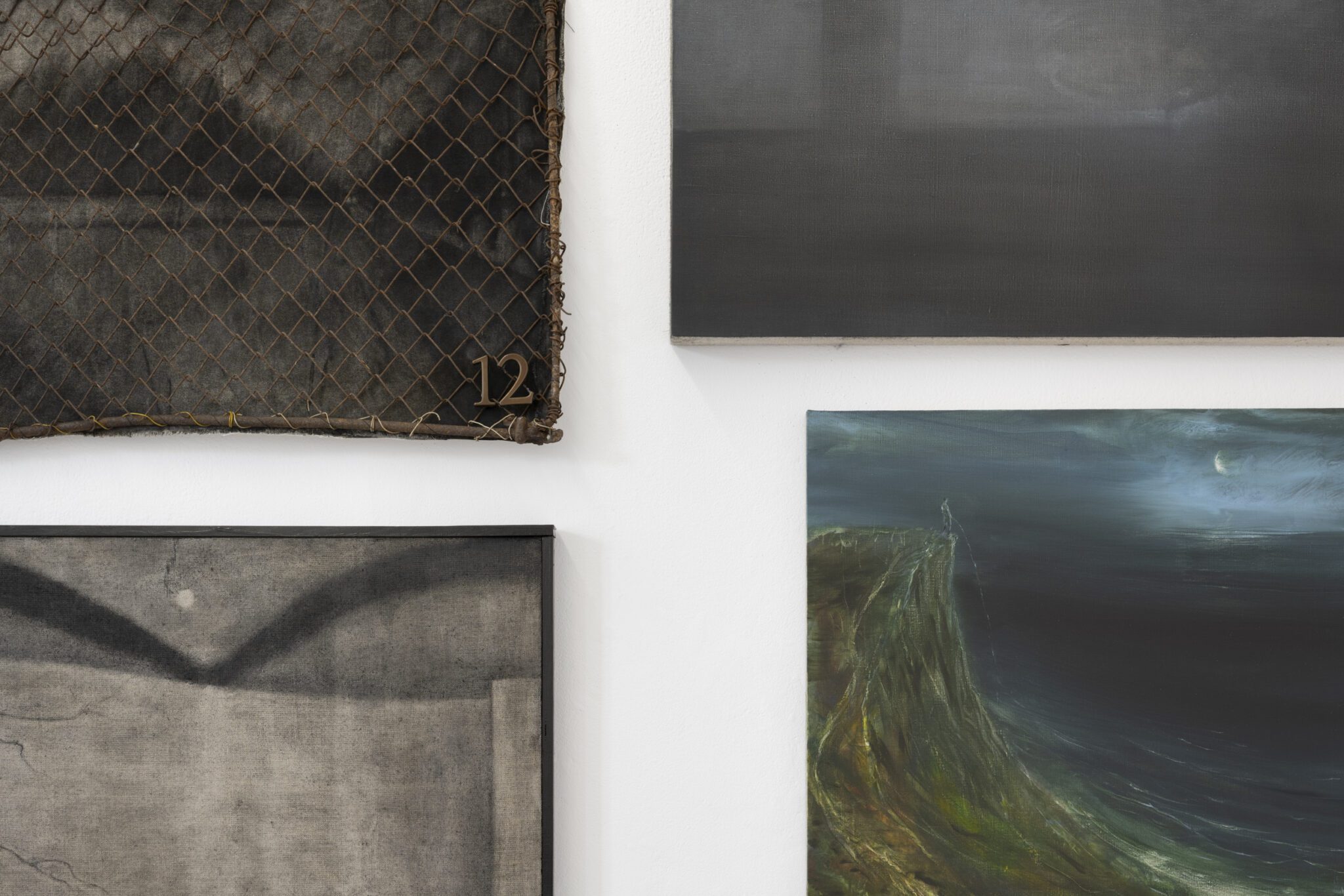
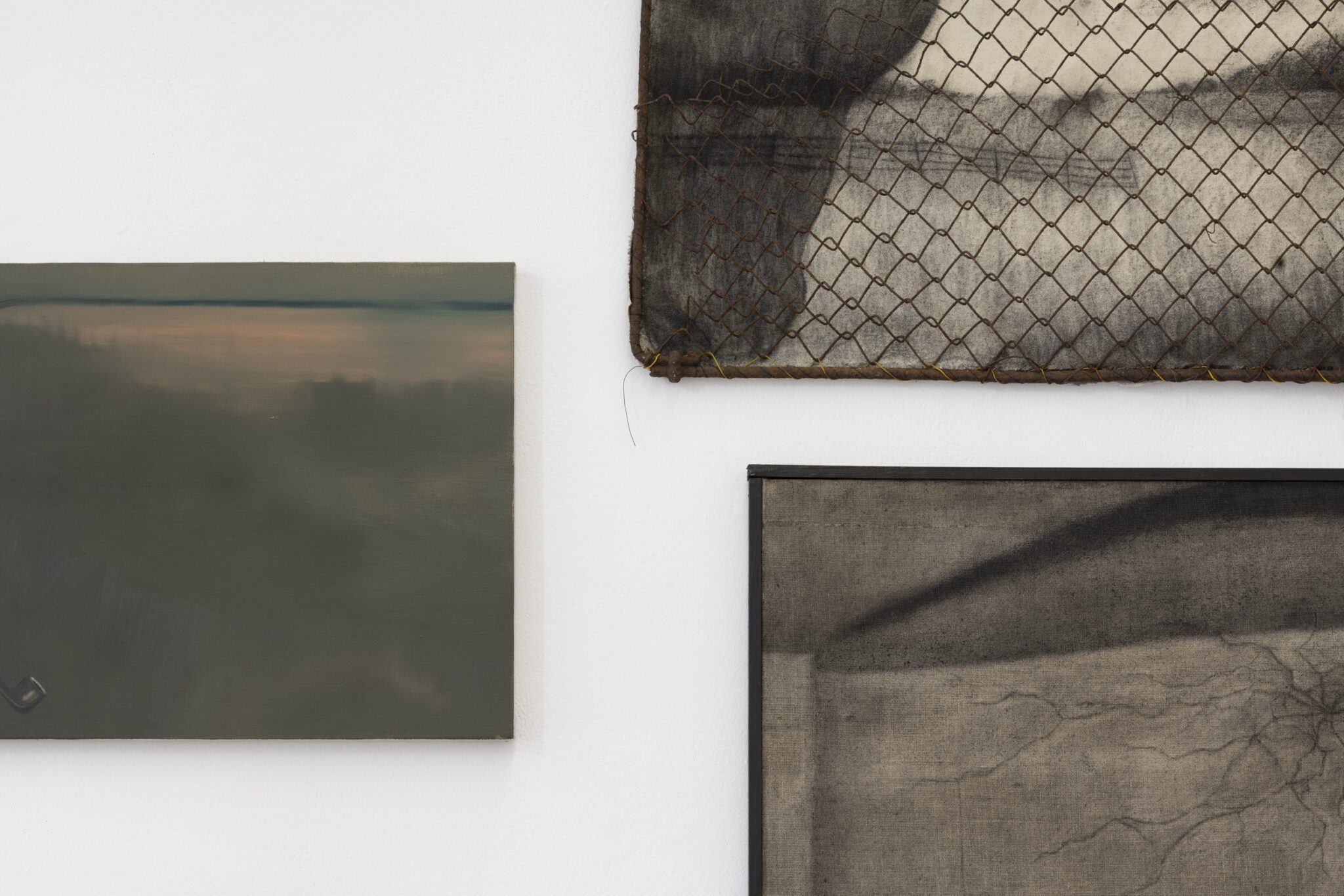
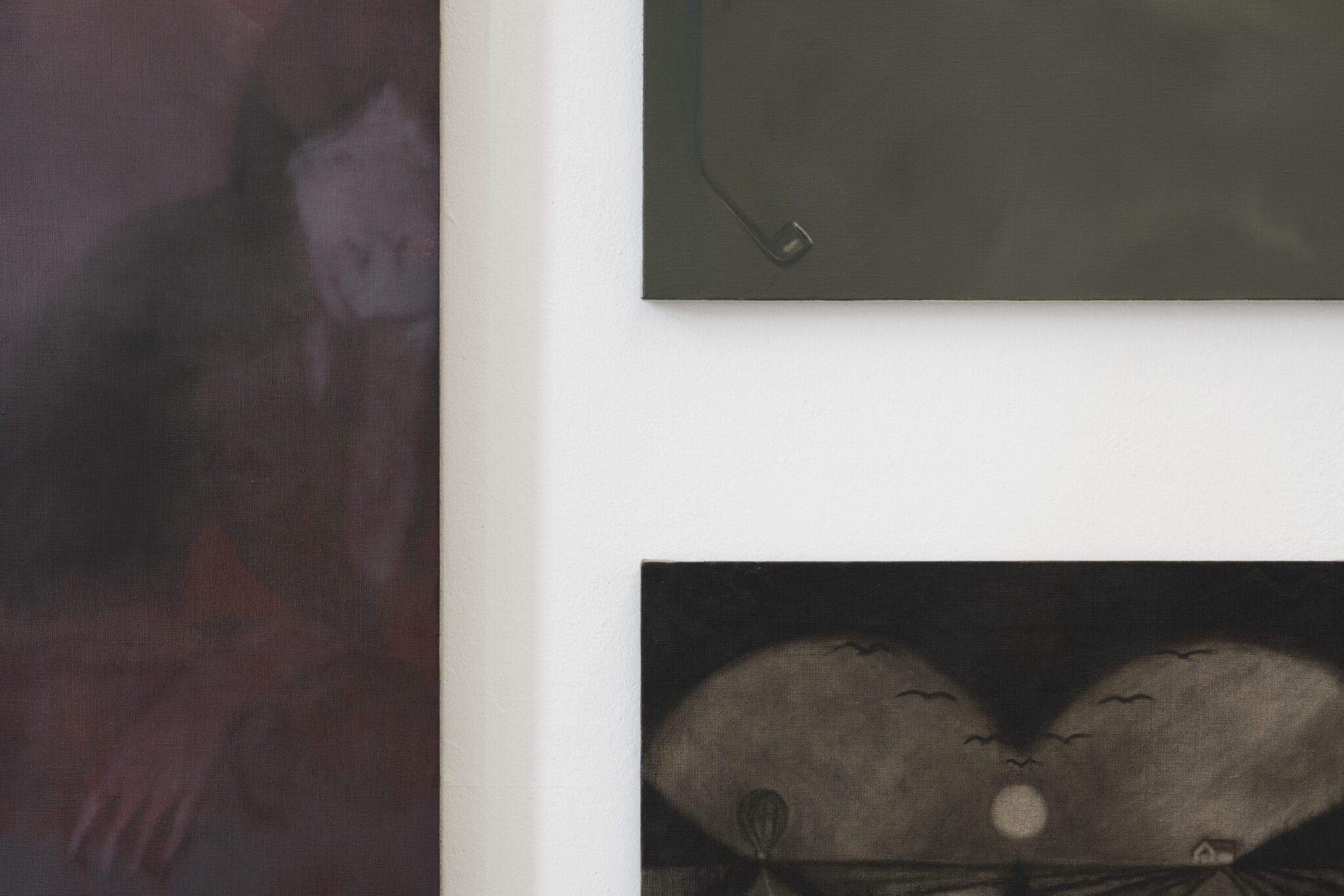
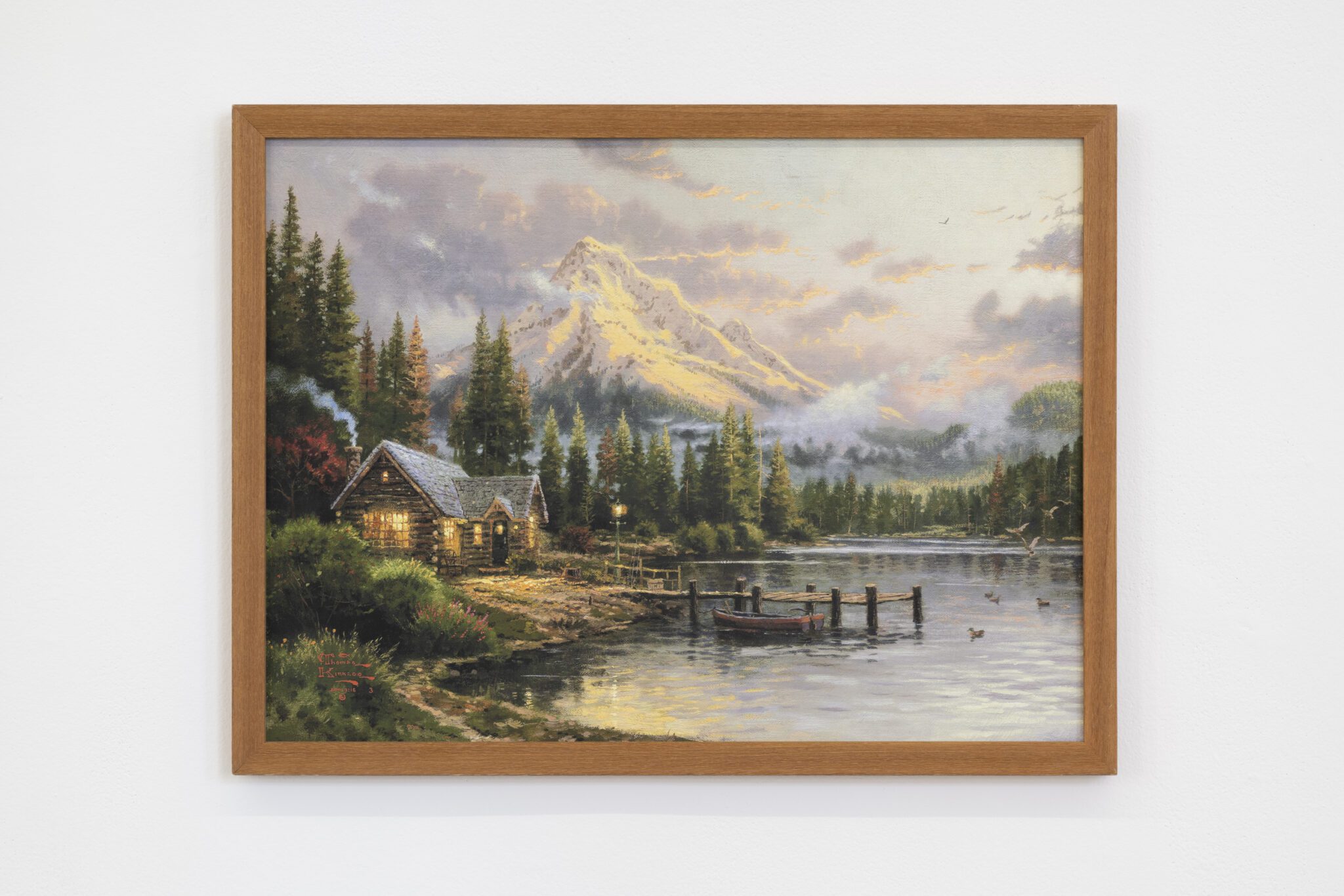
A monotonous landscape. A quiet grove faintly visible on the horizon through a delicate veil of mist. The smooth surface of a lake during the grey hour that lingers between day and night. Contours softened by encroaching shadow. A muddy Mazovian plain lit only by the faint glow of light from a distant cottage. This is the classic repertoire of motifs associated with Stimmung painting from the latter half of the nineteenth century. Increasingly, however, it also defines the work of the youngest generation of Polish artists in 2025. Yet it is no longer the same landscape. What we may initially mistake for stars, turns out upon closer inspection to be the warning lights of industrial chimneys. The grass beneath our feet is not that of a forest clearing but rather the synthetic surface of a tennis court. A leaning willow is surrounded by a low wall or a section of garden fencing. In place of a solitary cross at a rural crossroads stands a dejected traffic signal. Contemporary painting resembles less the sweeping landscapes of Maksymilian Gierymski, Józef Chełmoński, Władysław Malecki, Roman Kochanowski, or Ludomir Benedyktowicz than tightly cropped and significantly enlarged fragments of their compositions.
A century and a half ago, Polish art students in Munich could set out at dawn or dusk on foot, embarking on walking excursions to contemplate the landscape while listening for the songs of quails and partridges. Today, they would more likely hear the hum of a nearby expressway or the growl of a gas lawnmower. The cherished “grey hour” – that liminal time when daylight fades and thrift dictates restraint in lighting of oil lamps, when labour ceases and contemplation begins – is no longer with us. Our cities, homes, and workplaces are saturated with artificial light – lamps, fluorescents, and electronic screens, and work never truly ends. The Neue-Stimmung painting of the present era is, by necessity, fragmentary. It seeks depth in unassuming details: a fragile thuja planted on a patch of green between a six-lane motorway and yet another ghastly residential complex, or the semblance of landscape glimpsed through the optical apparatus used during an eye examination.
Even the paintings of the Polish colony of artists active near Munich in the nineteenth century were expressions of longing: for a landscape imbued with inner harmony, already transformed by the industrial revolution. The difference between the historic and contemporary Stimmung is not one of quality. The formal similarities persist: „towel-shaped canvases”palettes restricted to warm browns, beiges, greys, and muted blues, and the symbolic use of border imagery – interiors, houses, forests, views. The principal distinction lies in scale. In 1870, Adam Chmielowski wrote from Munich: “I seem to be quite a peculiar figure – for the real world does not suit me particularly well, I retreat into little visions of my own making and live among them.” Canonical works of Polish realism, then, are also to some extent escapist fantasies – expressions of youthful memories and longing.
The concept of Stimmung itself predates the Munich Kunstverein circle of the mid-nineteenth century. It appears in the philosophy of Kant and Nietzsche, and gained prominence in the eighteenth century. Originally a musical term, it derives from the verb stimmen, meaning to tune (an instrument). This etymology remains legible in the Polish word nastrój (mood or atmosphere). In the context of painting, as Stanisław Witkiewicz wrote, “a painting that was ‘stimmt’ was one in which complete harmony, tranquillity, and tonal balance had been achieved.” This narrowed notion of mood is grounded in a deeper psychological substratum—it is closely connected to internal states of mind that are more readily accessible to consciousness. Nevertheless, as Alois Riegl contended in his 1899 essay Die Stimmung als Inhalt der modernen Kunst (Mood as the Content of Modern Art), nature permits the experience of this quasi-religious sentiment only rarely. It thus falls to modern art to provide a comforting sense of order and harmony.
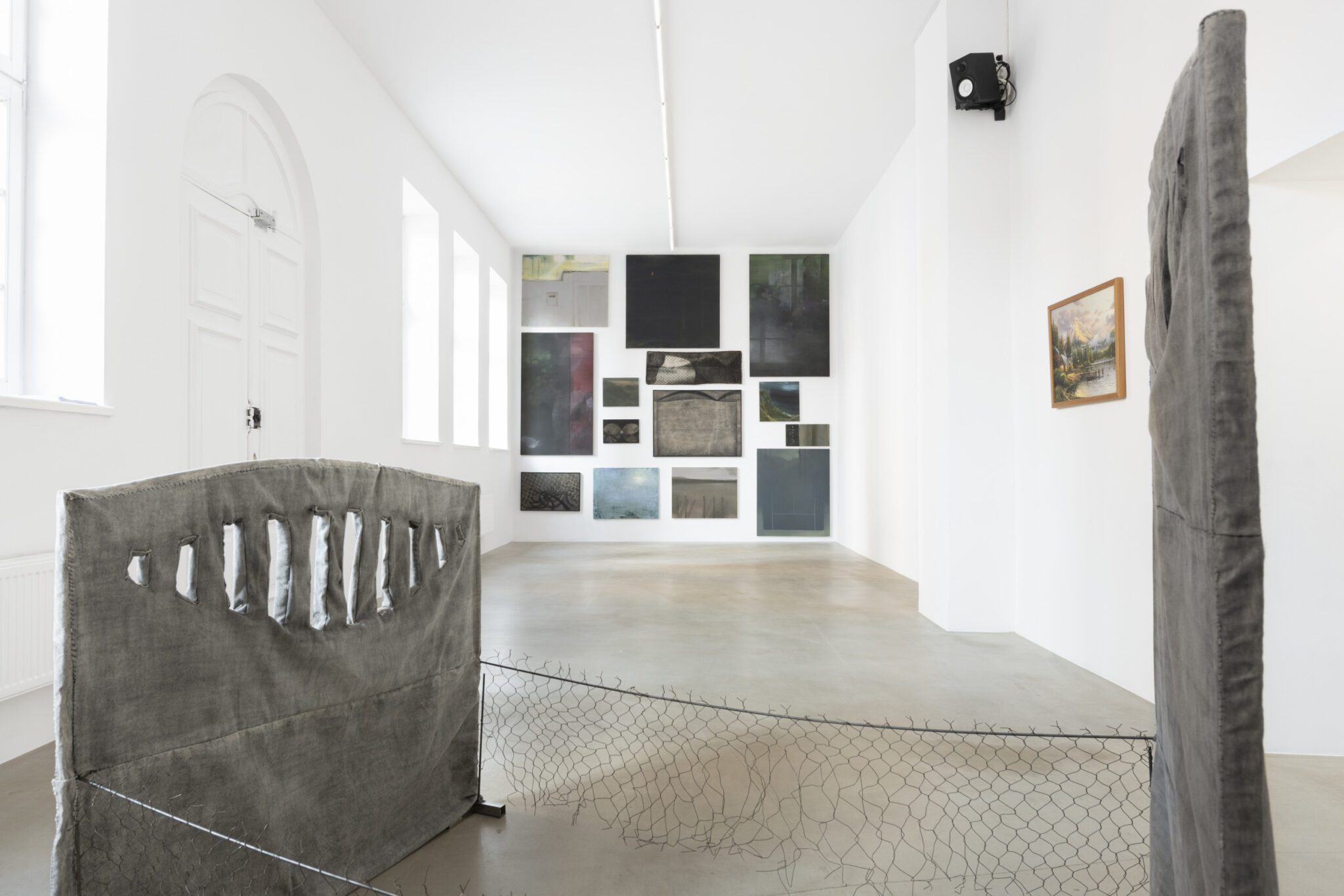
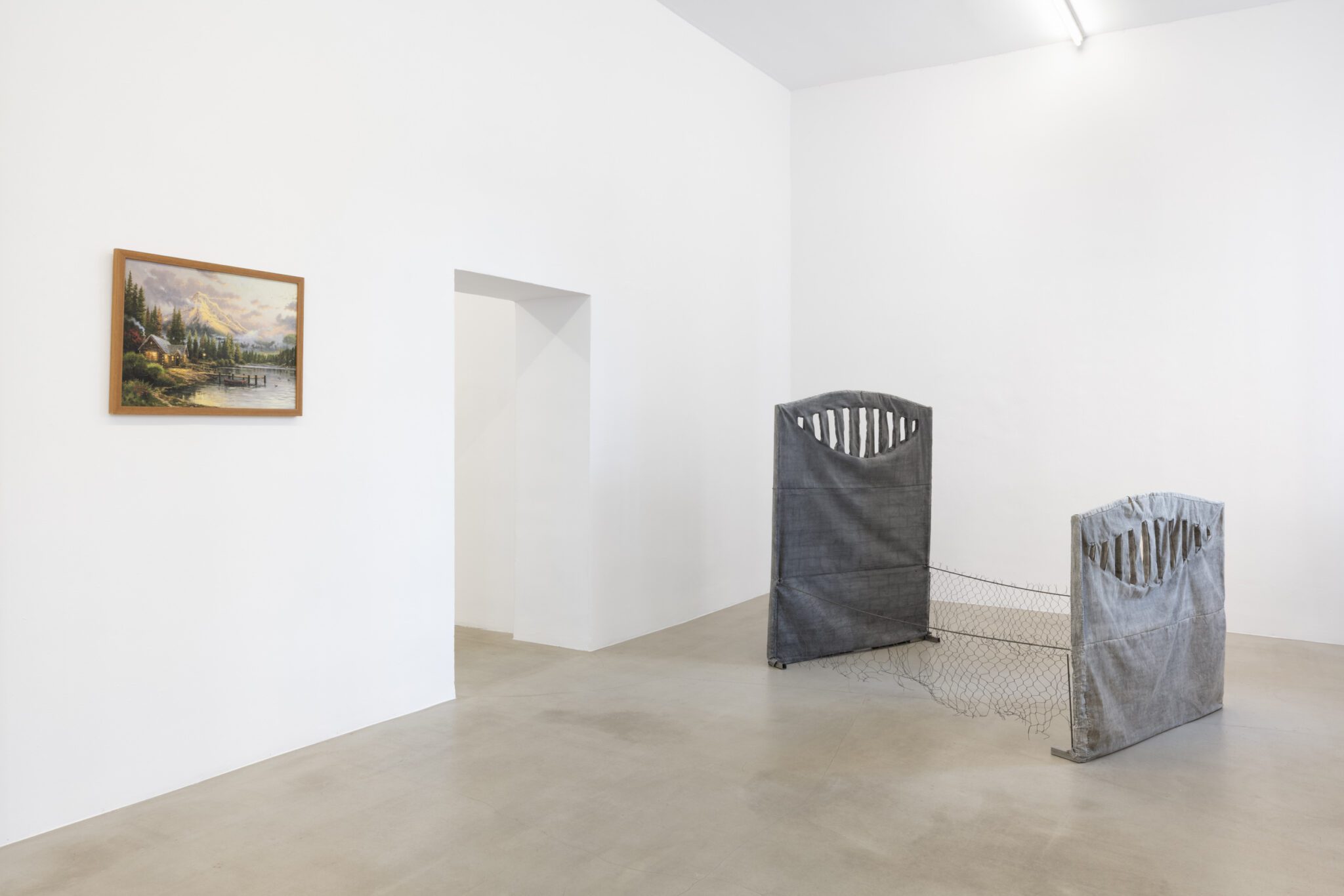
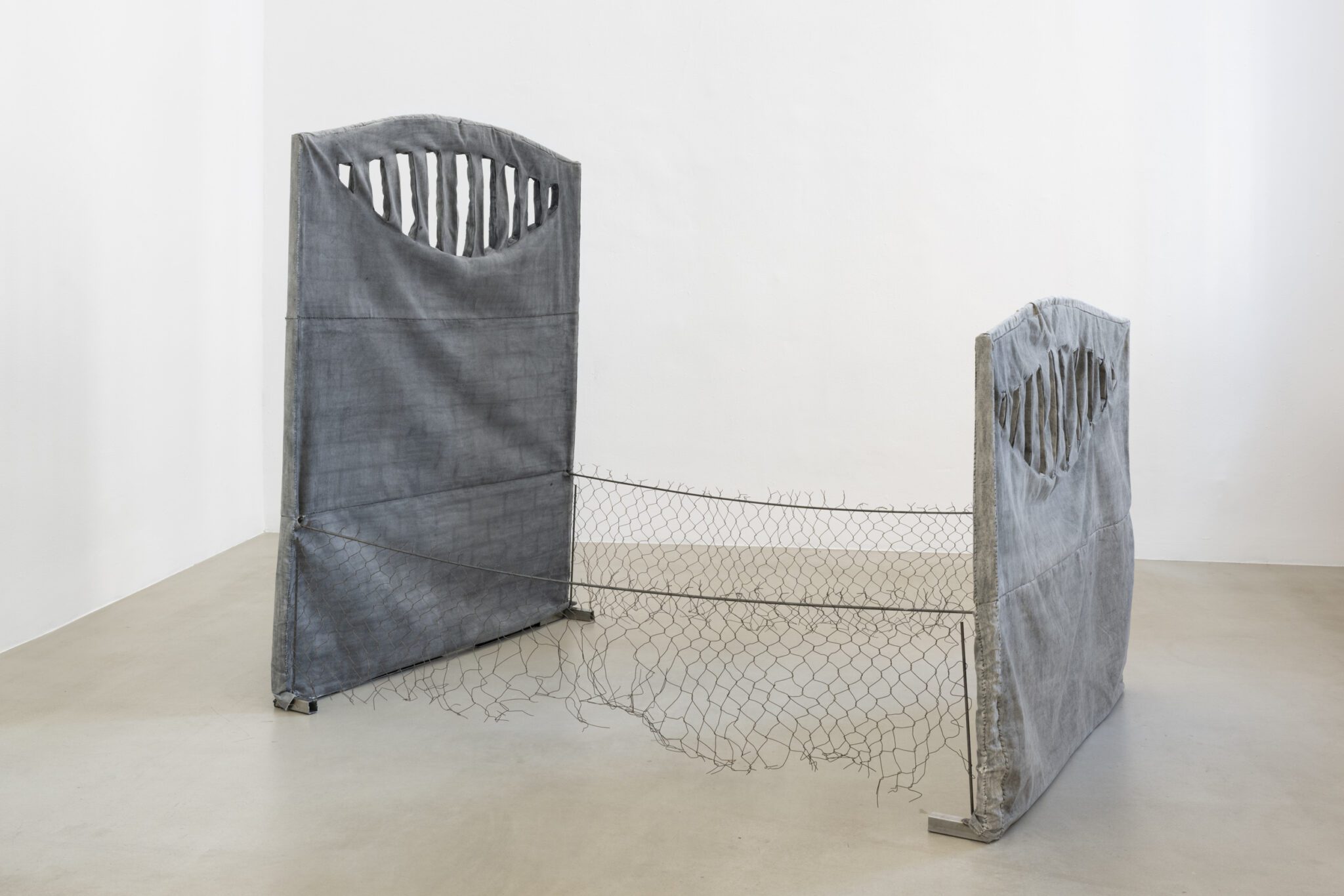
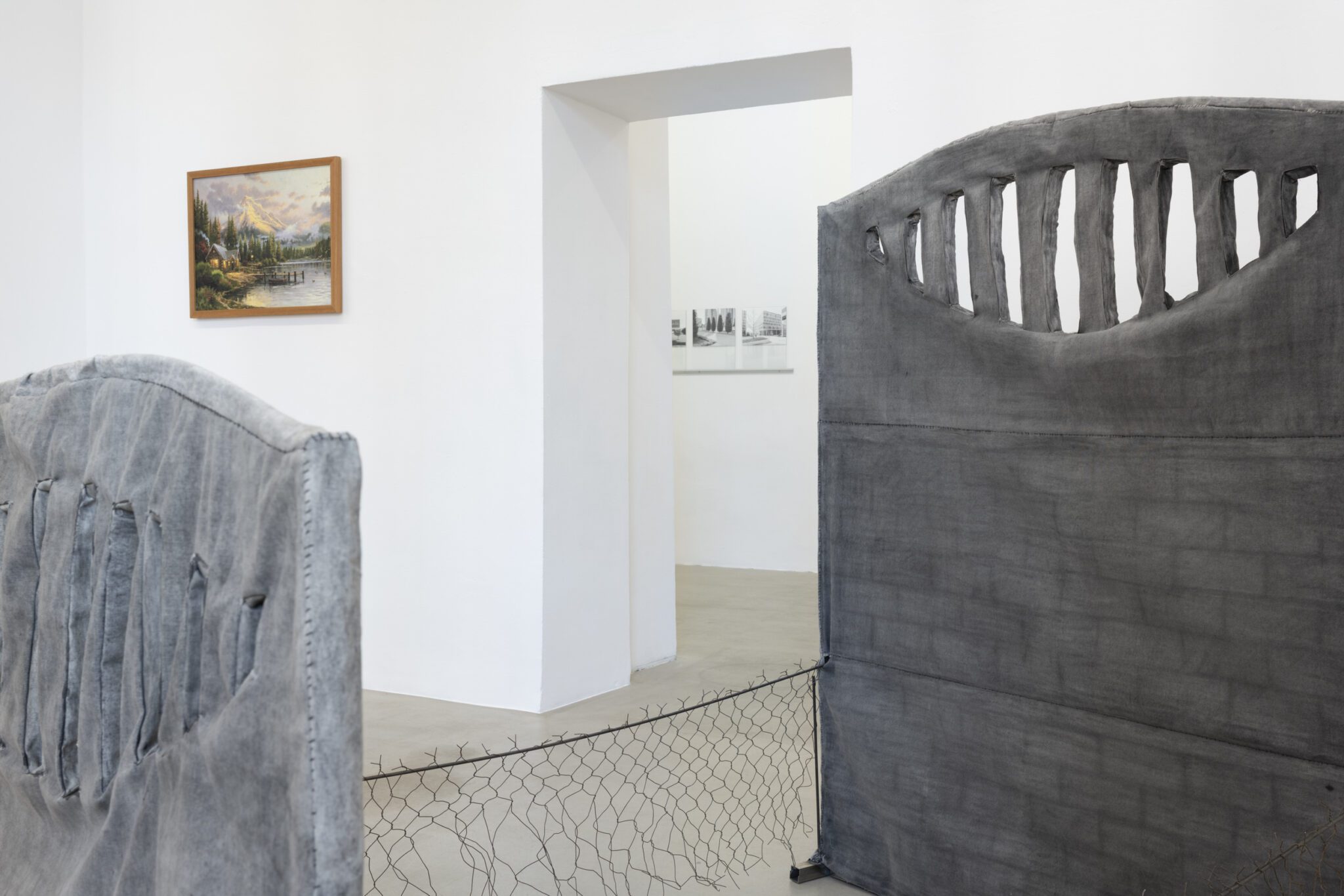
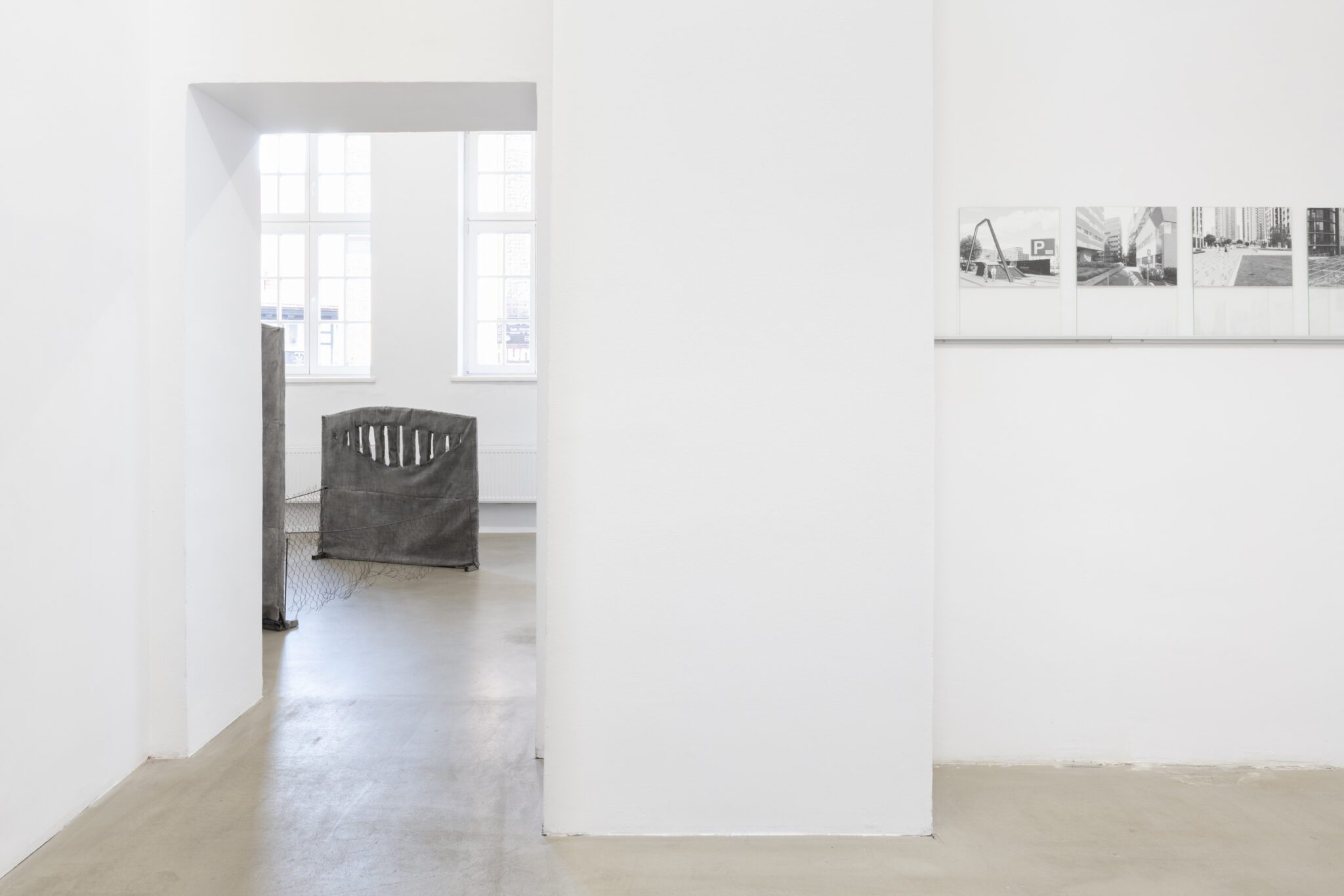
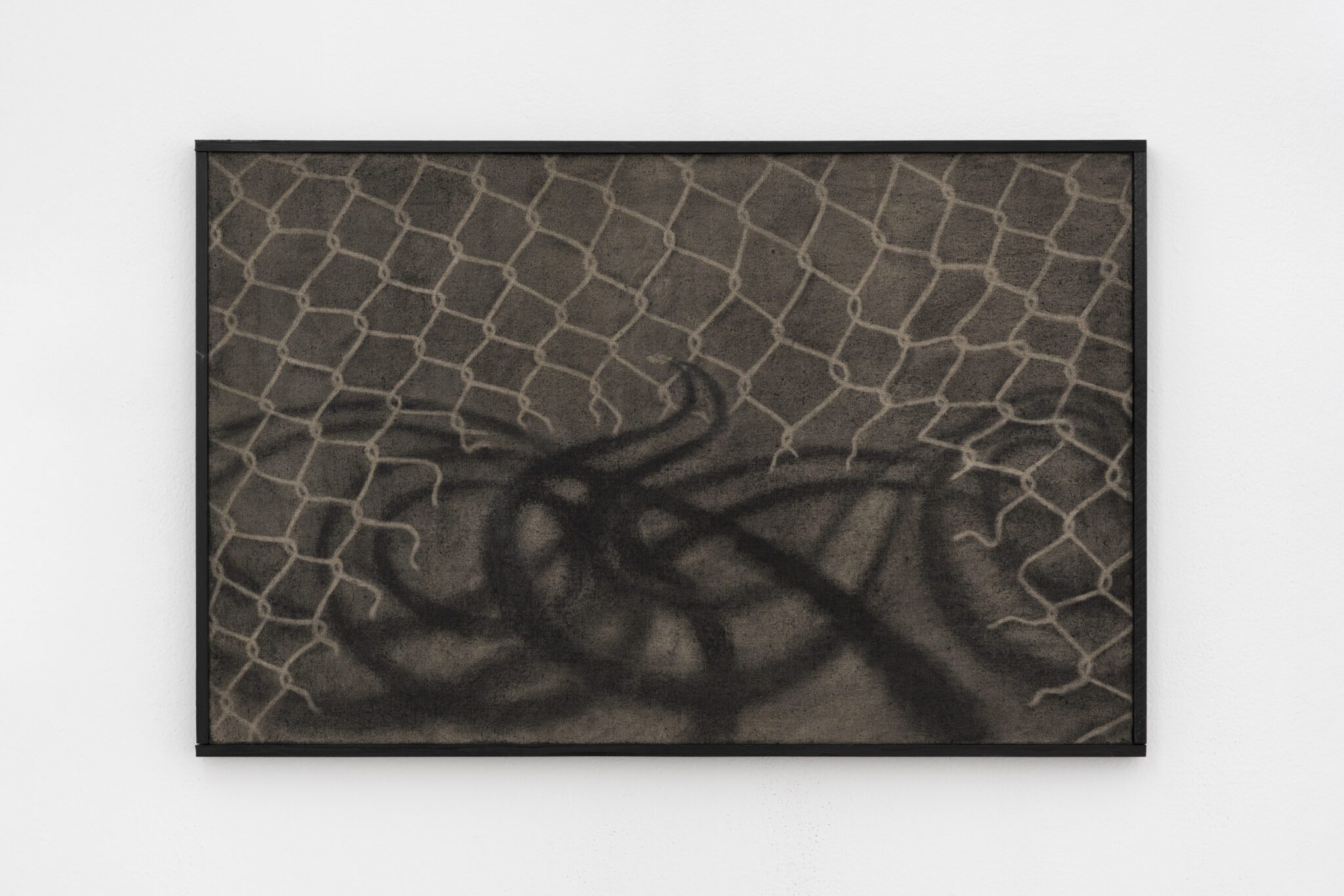
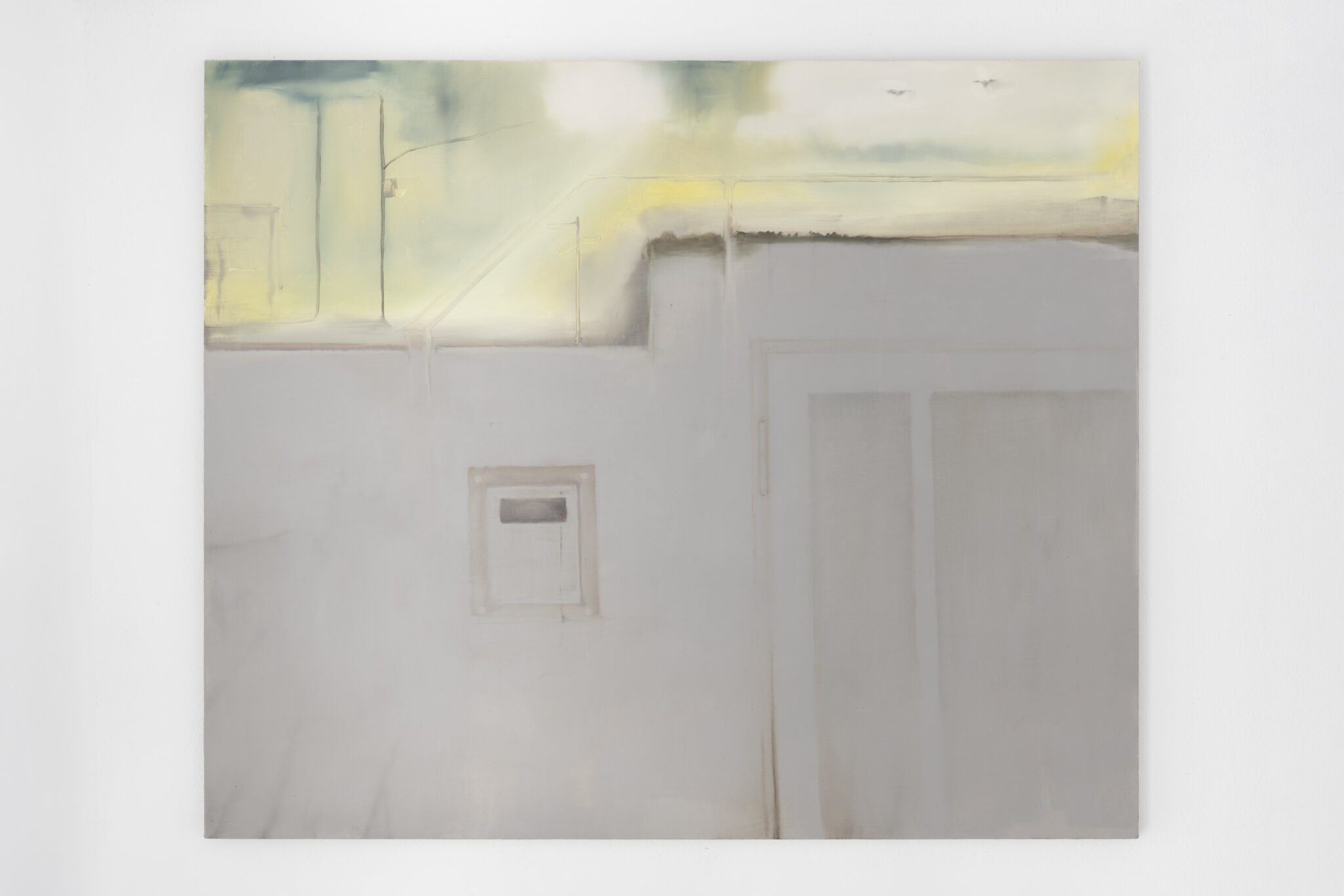
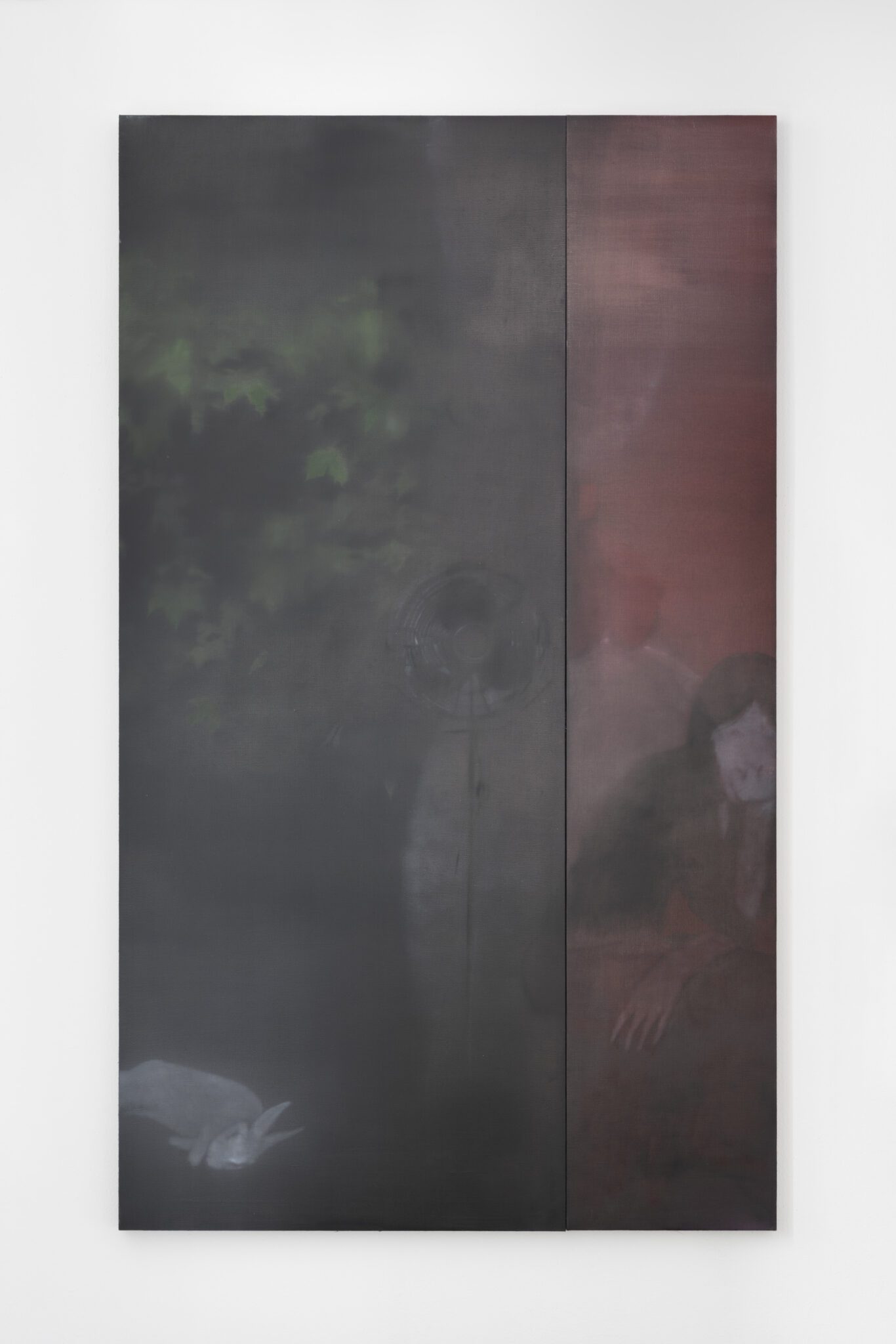
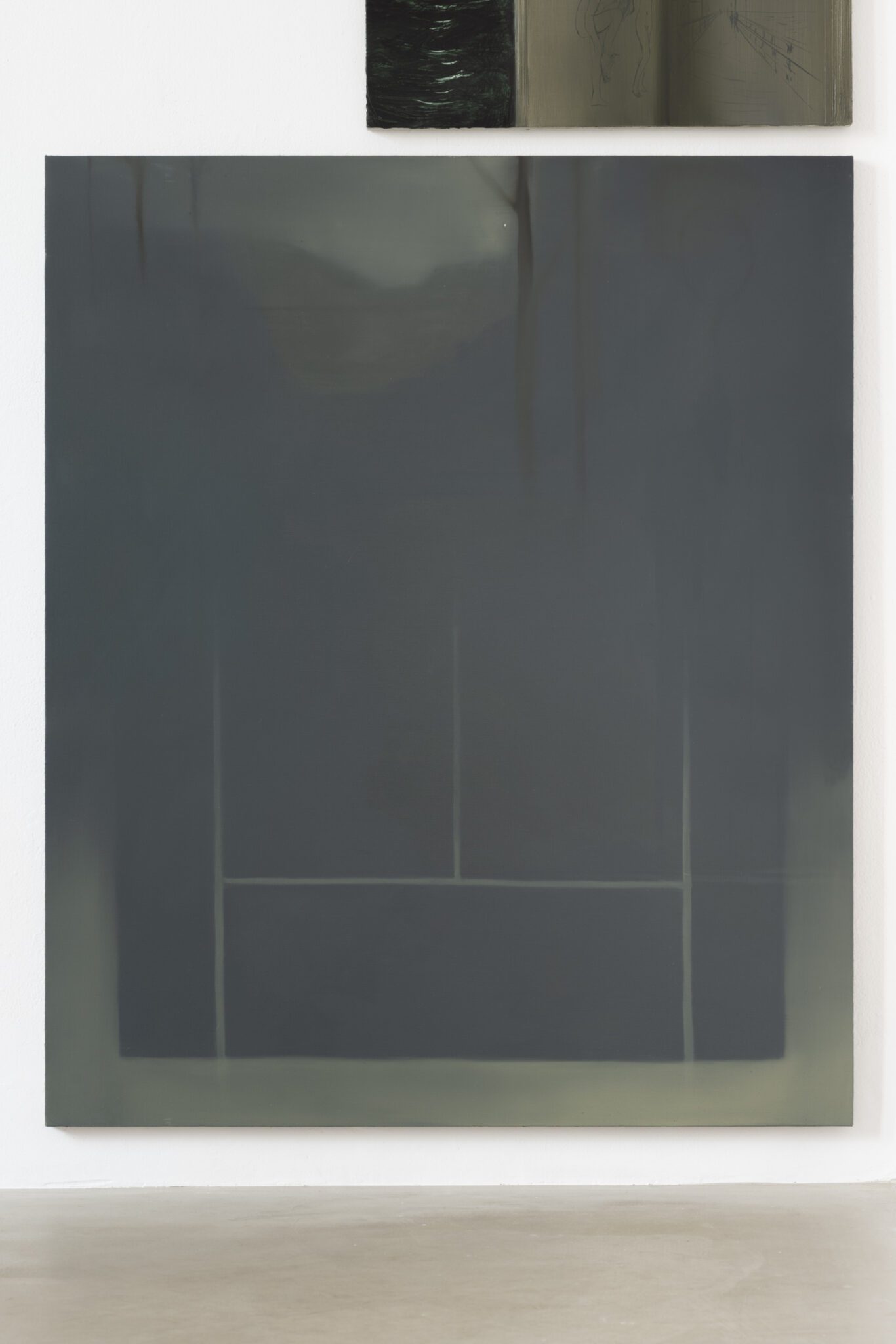
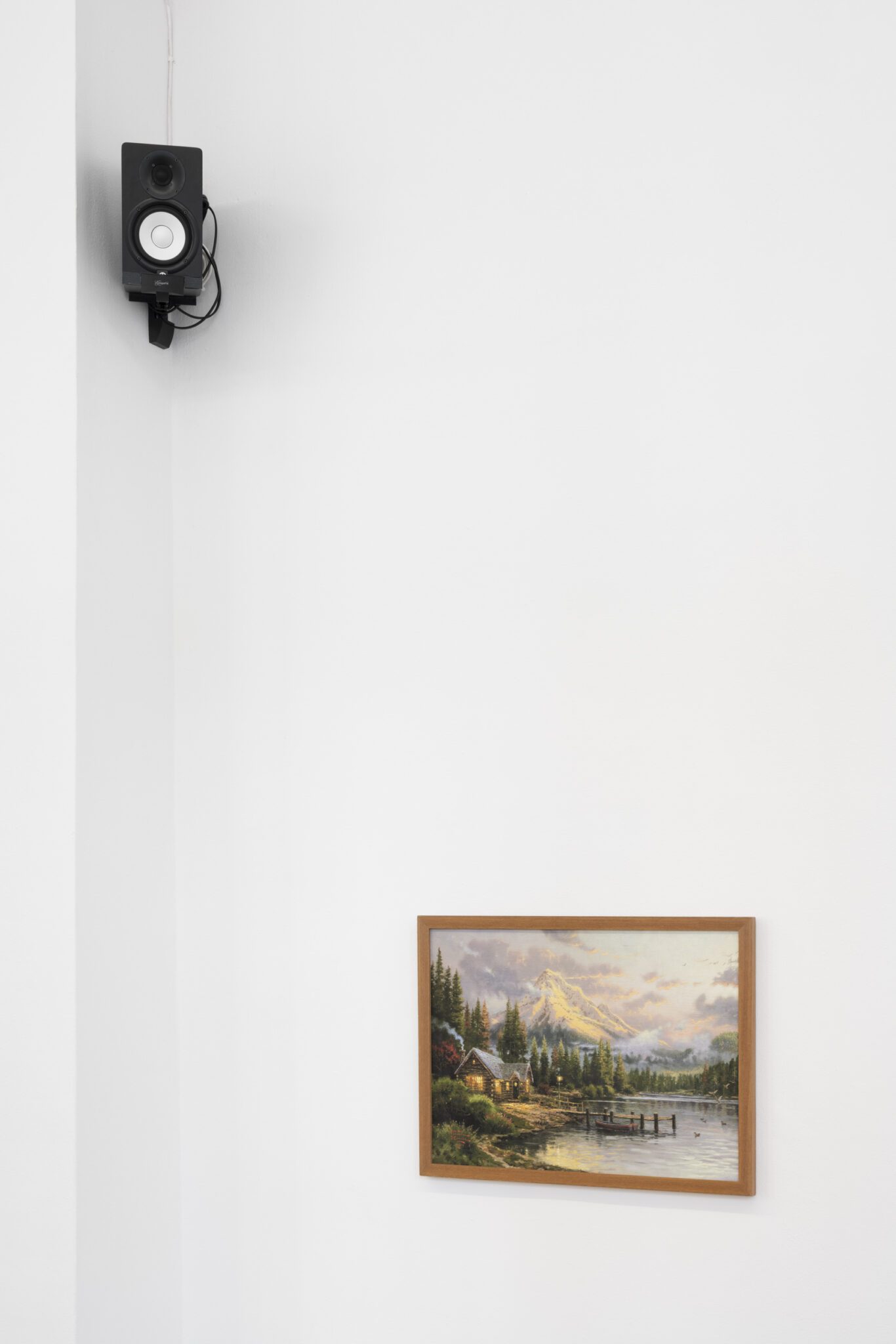
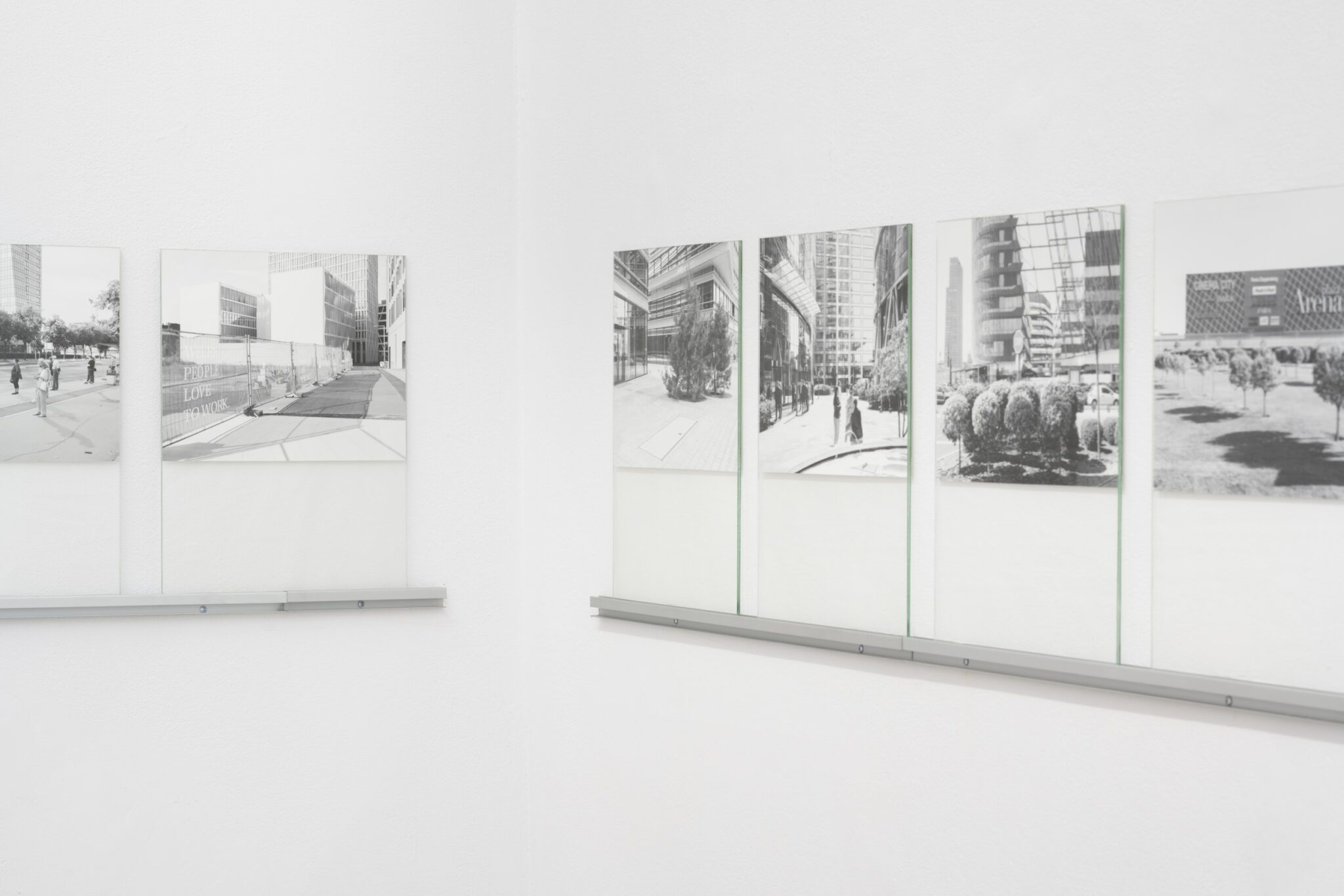
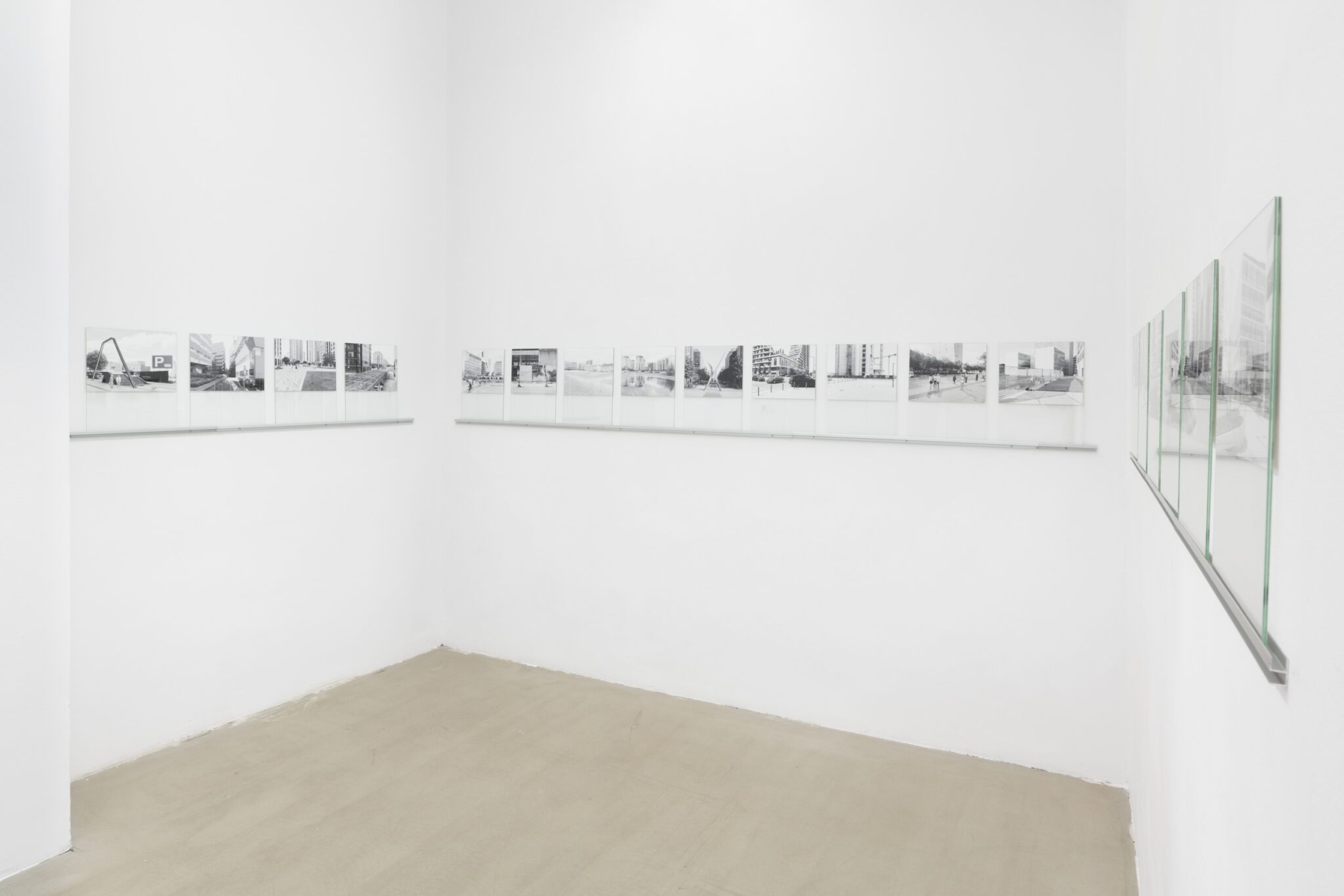
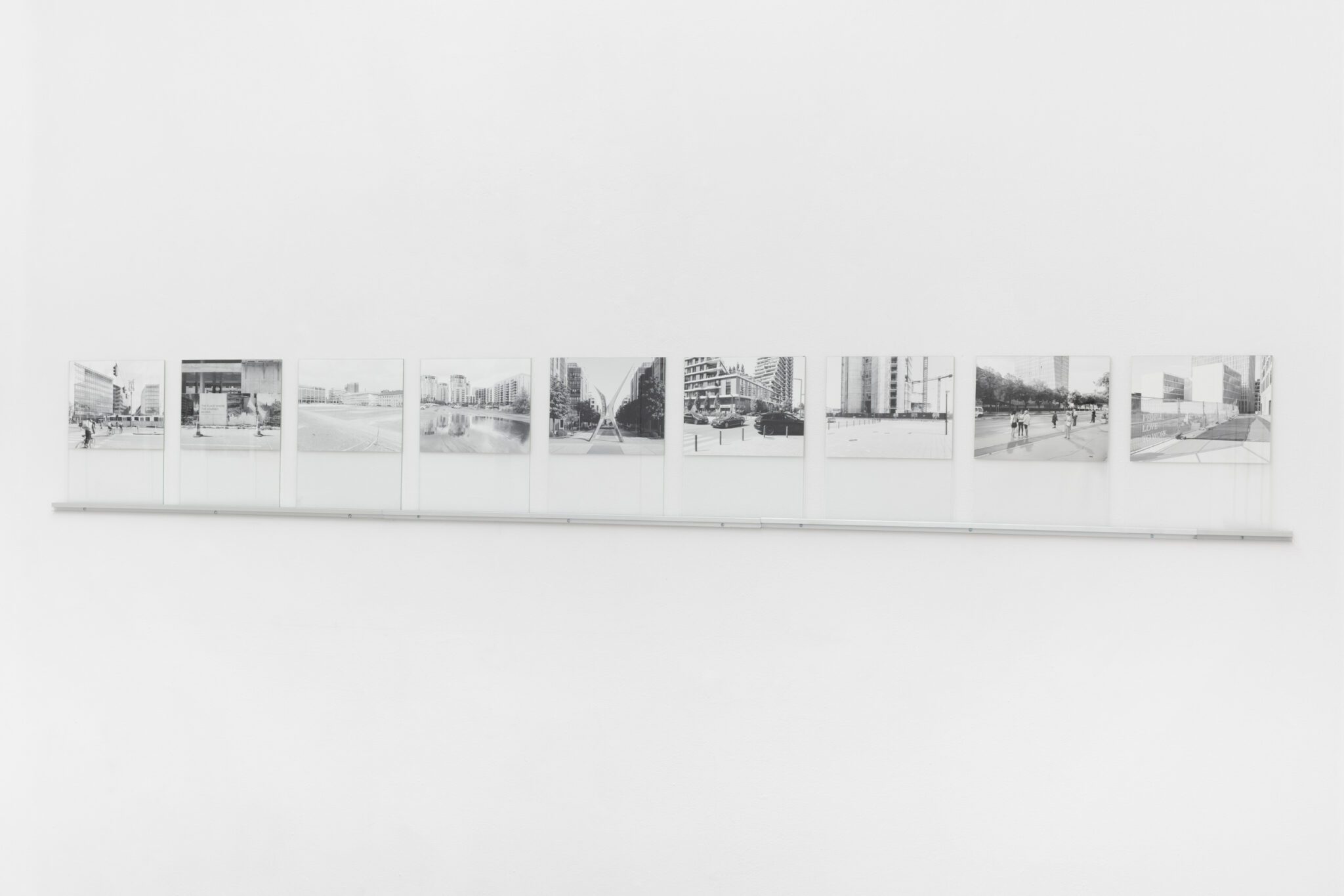
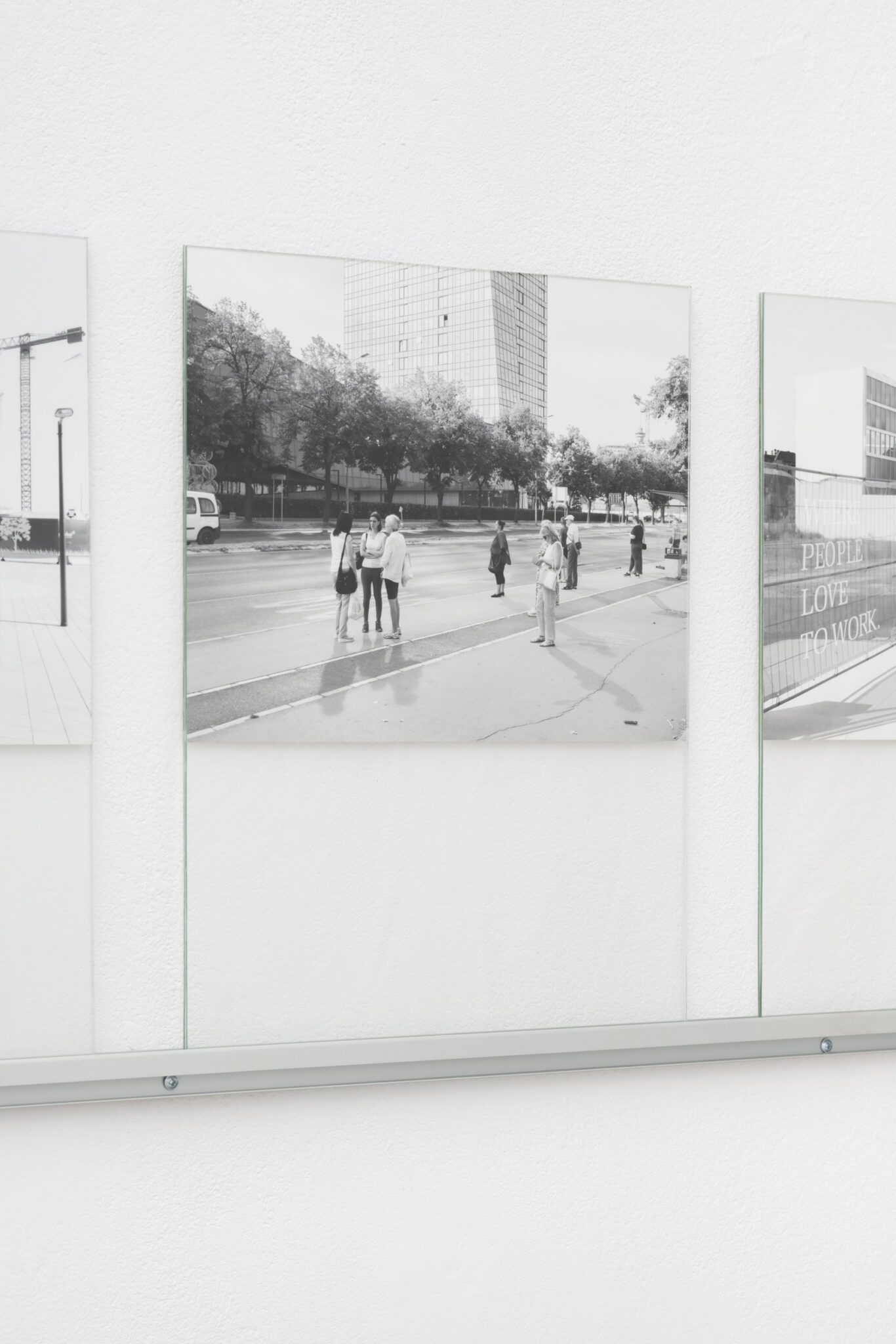
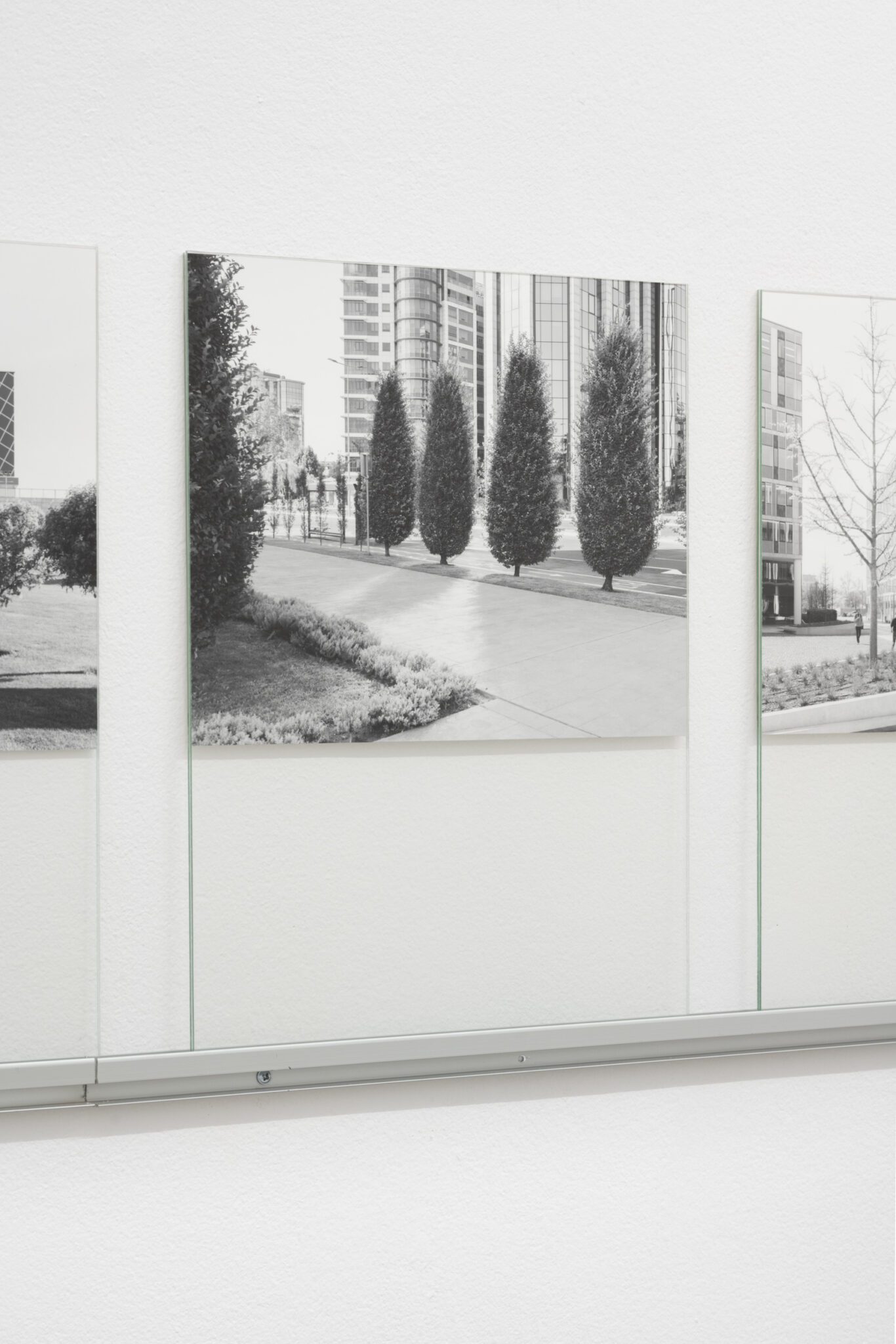
As illustrated by Tytus Szabelski-Różniak’s Capital series, achieving a sense of harmony in one’s relationship with nature has become extraordinarily difficult. In his black-and-white photographs, fragments of Central European capitals resemble sterile visualisations of real estate developments – images that, in the words of Walter Benjamin, are entirely stimmungslos, or devoid of mood. Hubert Gromny’s painterly and sonic installation presents a sanitised, candy-coated fantasy of Eden, processed through several layers of popular culture, reducing the melancholic and mood-laden poetics of earlier art to a flattened, technical message. Within this context, the paintings of Cyryl Polaczek, Ant Łakomsk, Karolina Szwed, and Agata Popik appear as efforts to salvage the remnants of that romantic harmony between the human spirit and the external world, at a time when both nature and humanity seem to have been stripped of their soul.
Janek Owczarek
Piotr Policht
Media patrons: Trójmiasto.pl, Prestiż Magazyn Trójmiejski, Gdańsk.pl