Place: Gdańsk City Gallery / Günter Grass Gallery in Gdańsk
Artists: Lars Laumann, Marina Abramović/Ulay, Hannimari Jokinen, Tomasz Kopcewicz, Julia Kurek, Józef Robakowski, Andrzej Partum, Khaled Hourani, André Cadere, Dorota Walentynowicz
Dates: 18.11.2016-12.03.2017
Curator: Marta Wróblewska
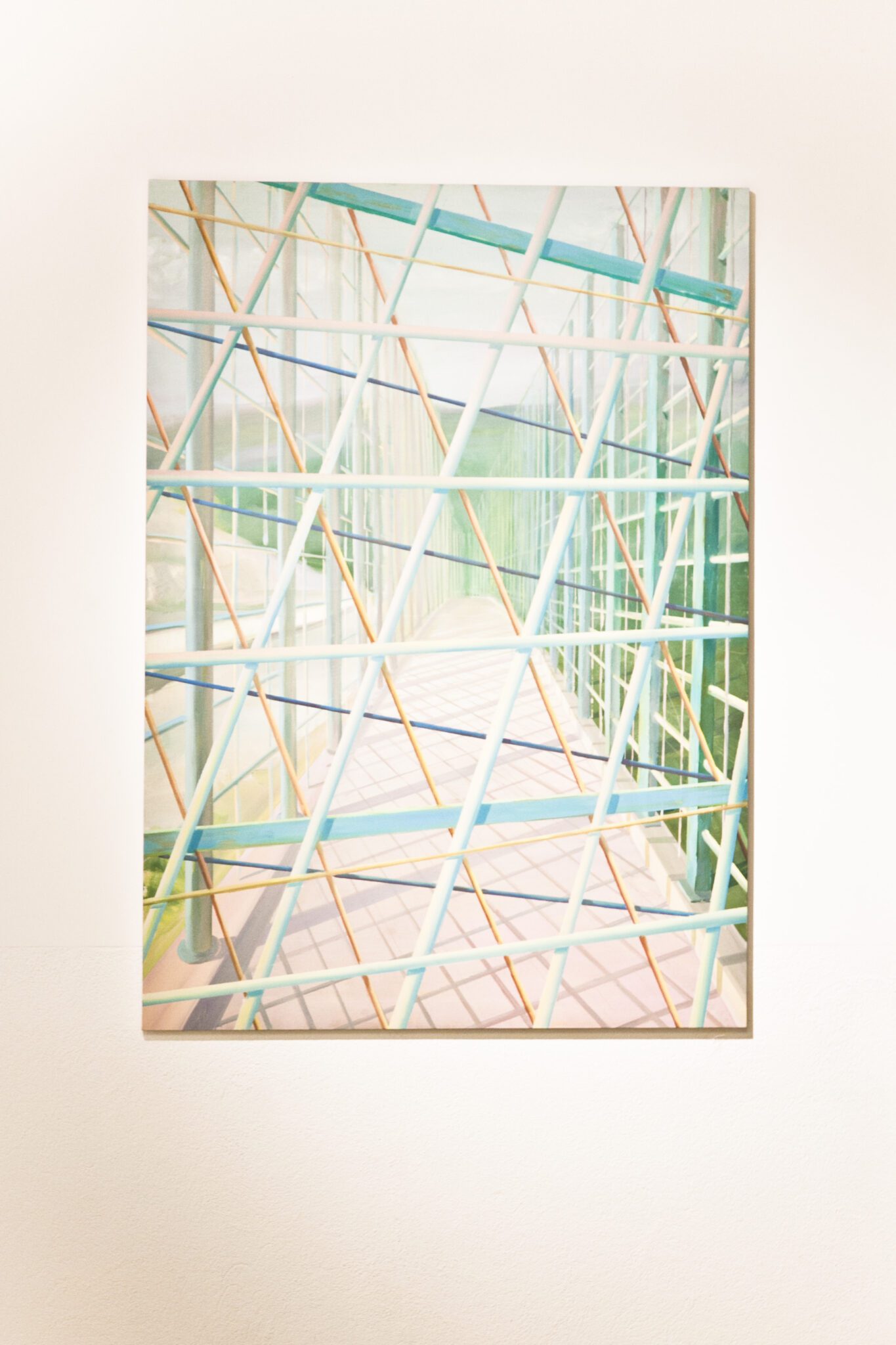
Despite the assumption about the unlimited and general accessibility, public space is often subject to imposed divisions, generating physical and mental borders/limitations concerning the functioning of an individual in the society. However, surprisingly these divisions many a times multiply all kinds of solutions, existences, ideas, either accommodating the situation of an individual into the encountered conditions, or using those conditions to fulfill different goals set by this individual. The selected works present multiple mechanisms of adaptation, utilization and transformation of the imposed divisions by artists who are either inspired, or comment on, or else at times create various systems of divisions / markers of territories, be it political, social or personal.
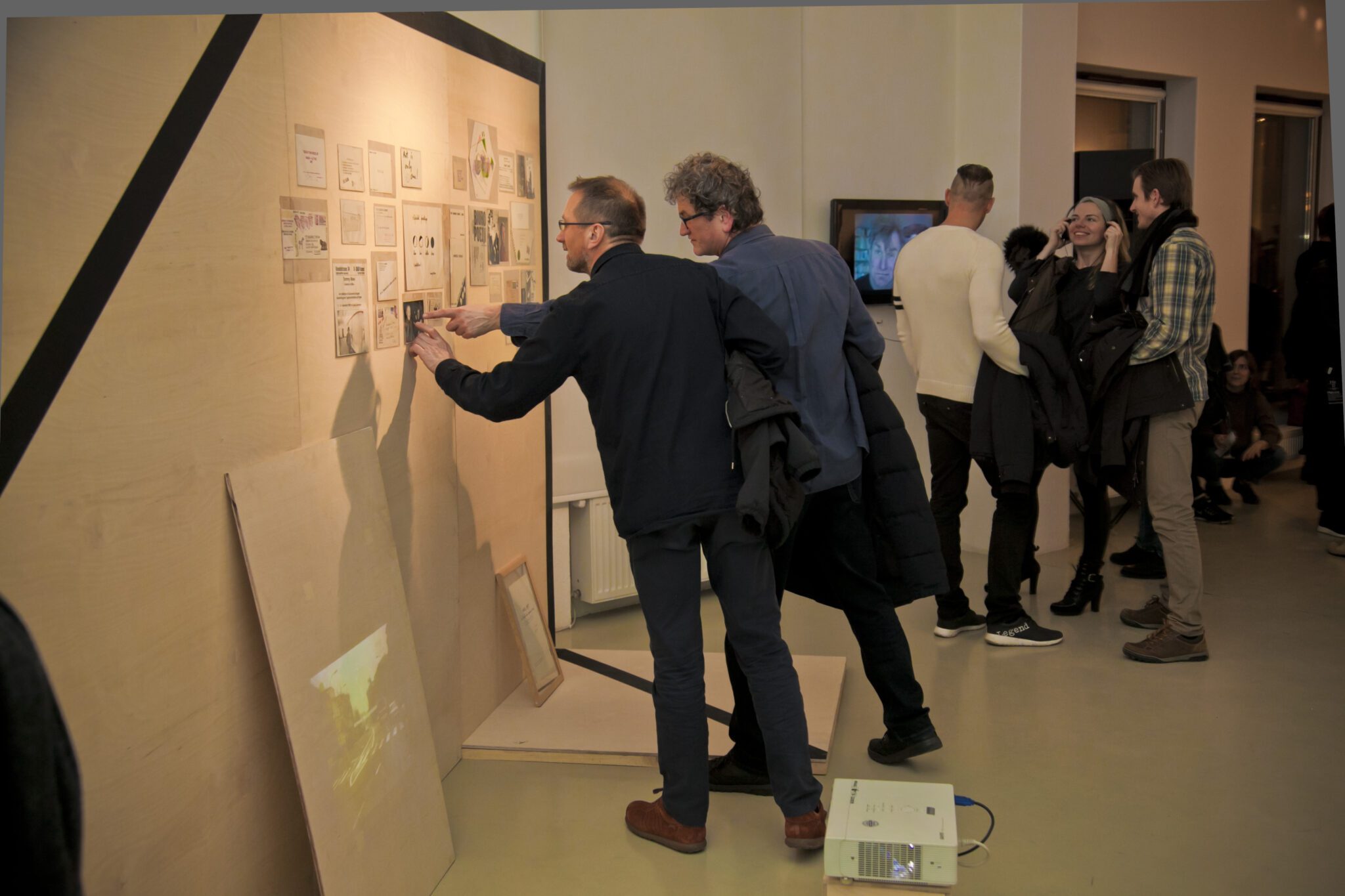
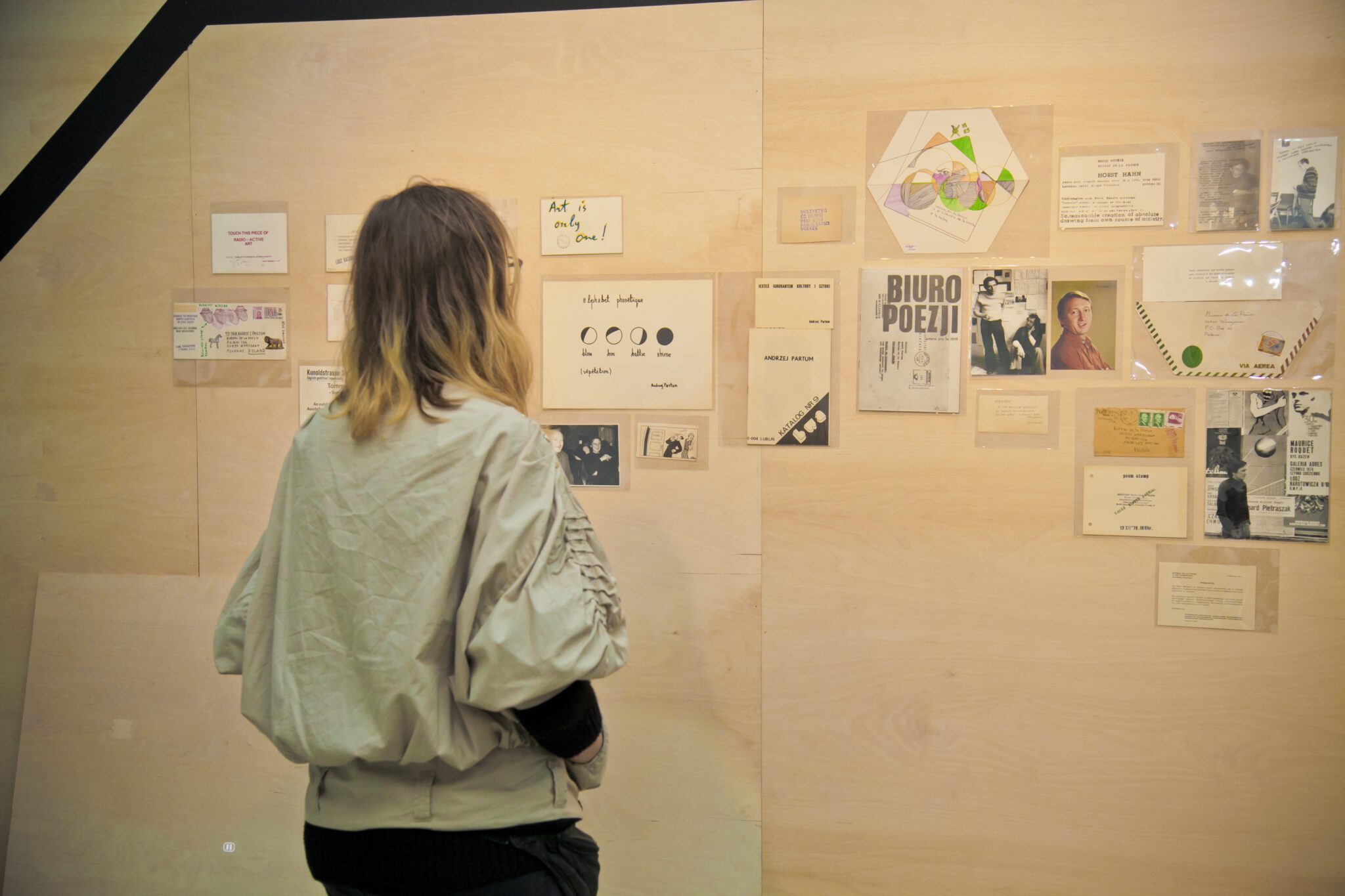
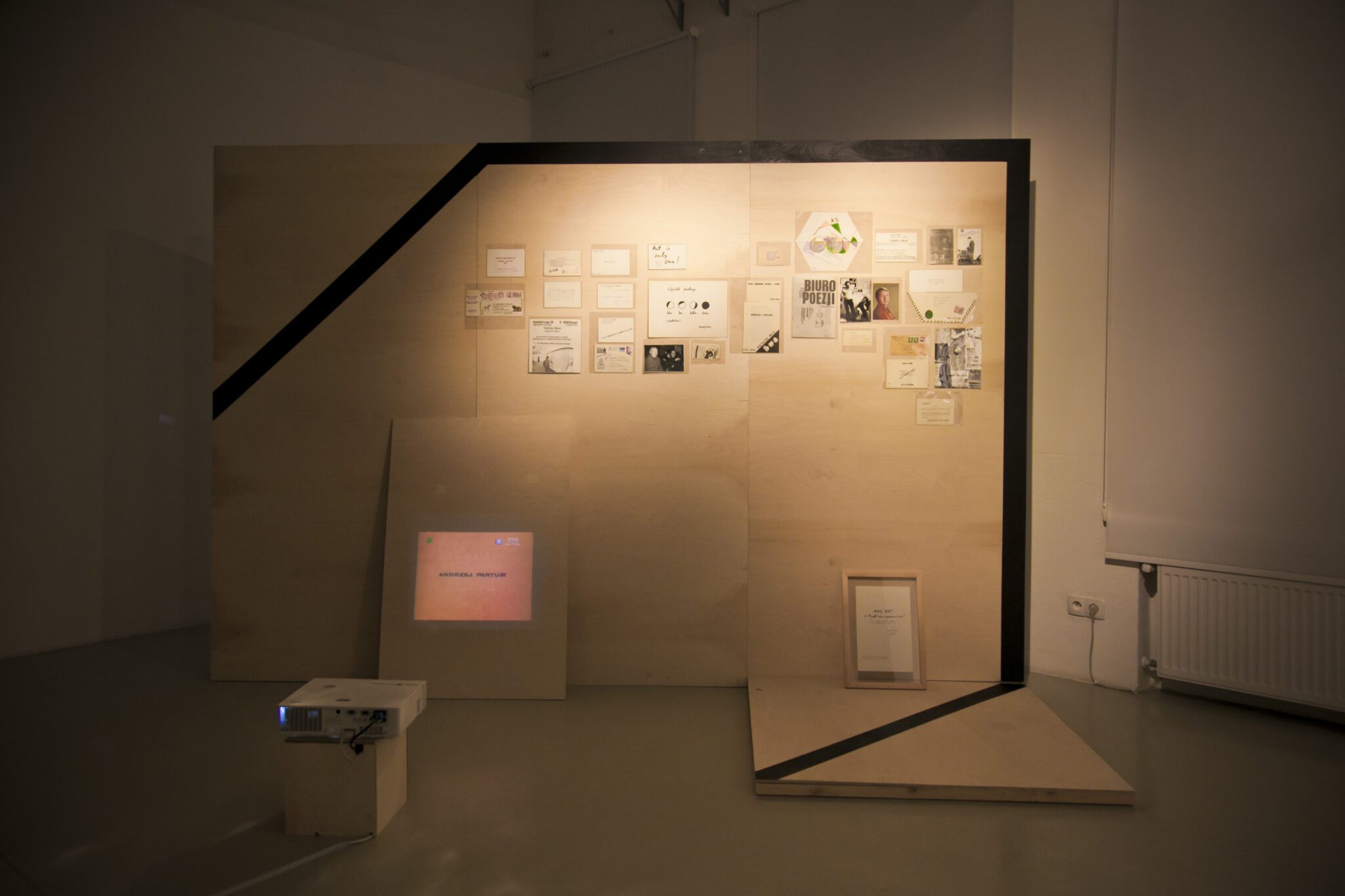
In their works selected for the exhibition, artists work on various borders imposed by systems and circumstances which they have found themselves in. Some of them draw from experiences affecting them directly, for example Andrzej Partum or Józef Robakowski who in the name of creating independent and avant-garde art which was no pet of the communist authority and also transgressing the limits connected with the “Iron Curtain,” resorted to manners of creating which involved the so-called second circulation of art and personal contacts in Poland and abroad, in the same manner creating new trends and qualities which have currently become a part of the Polish contemporary art history.
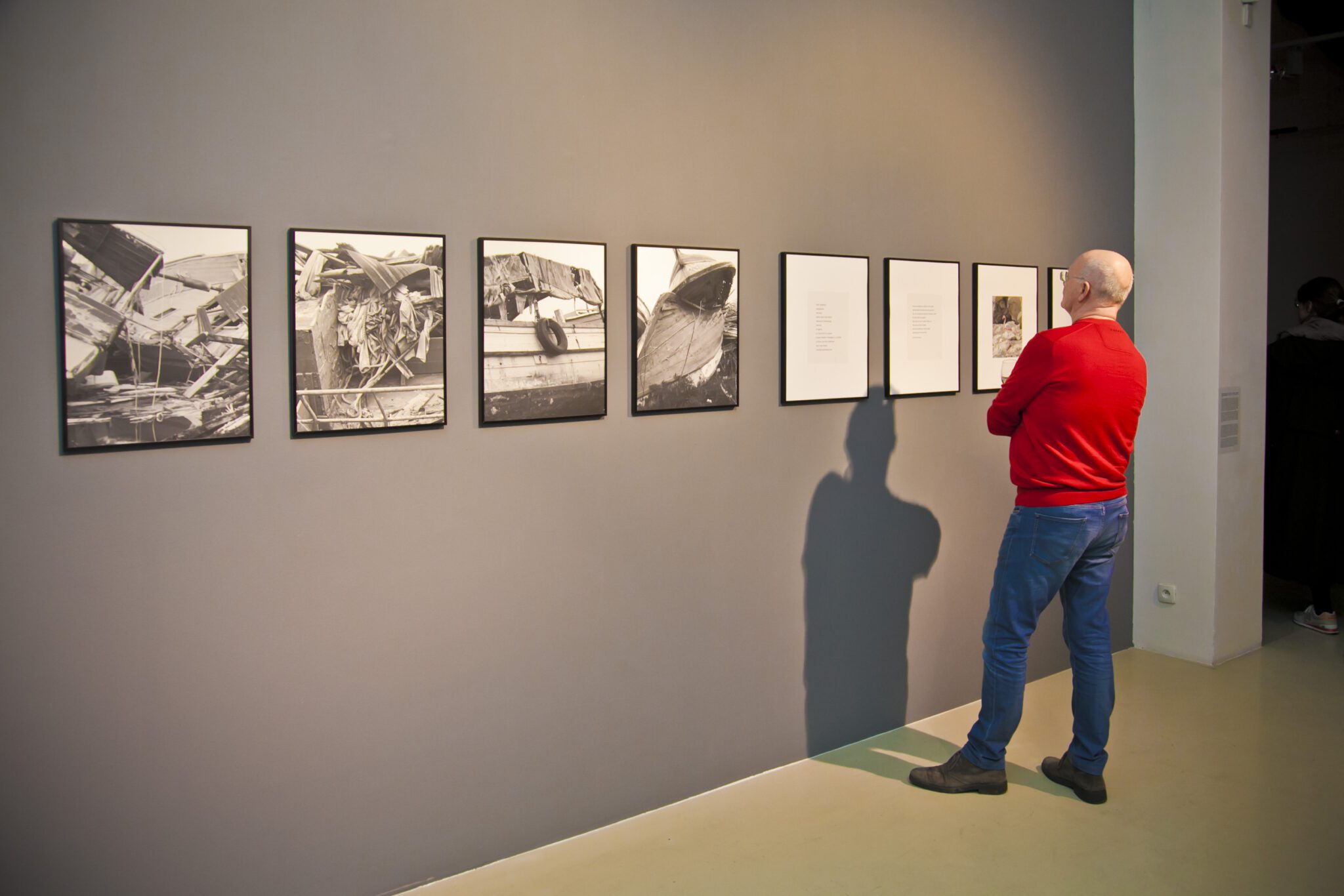
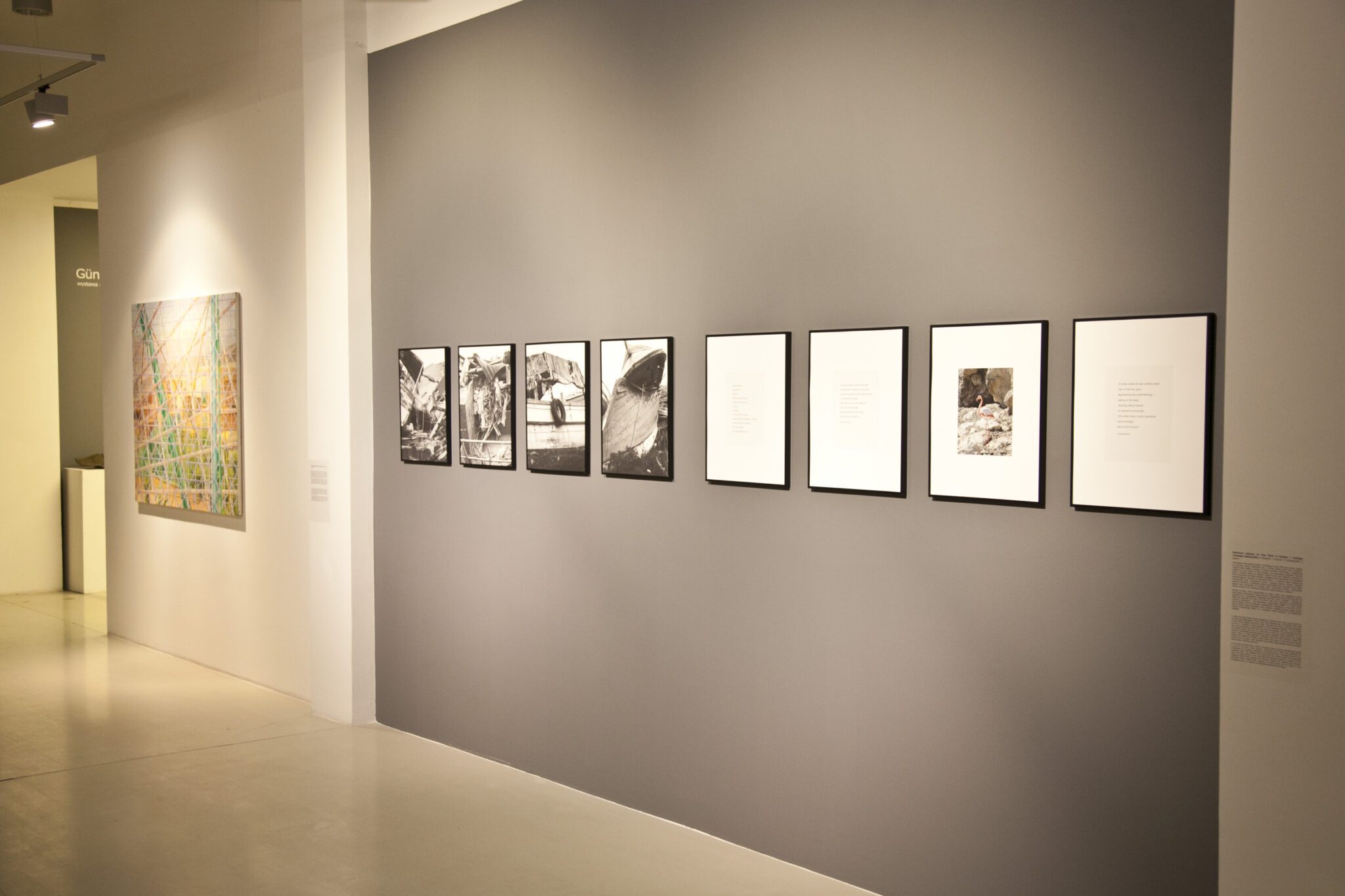
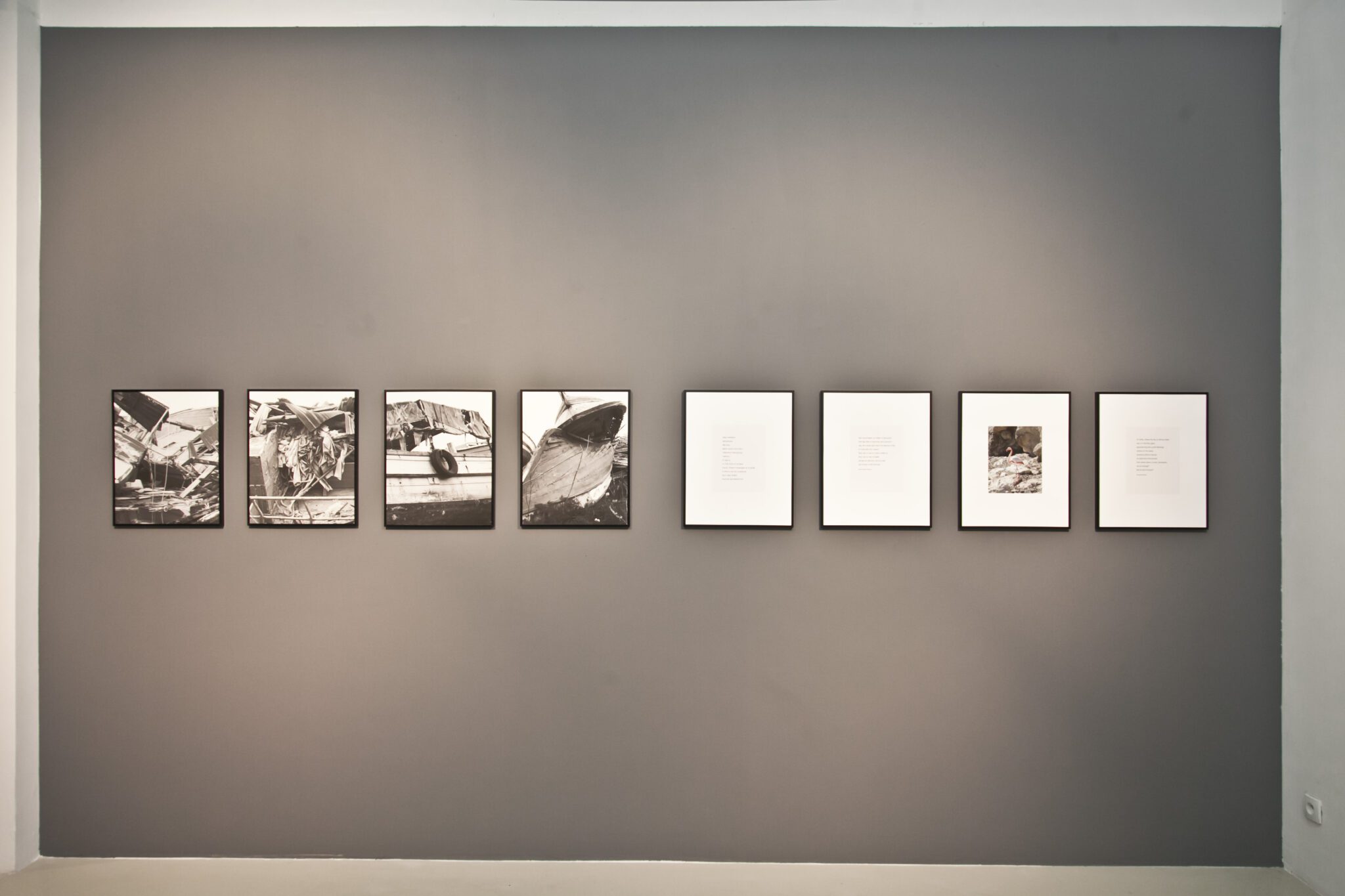
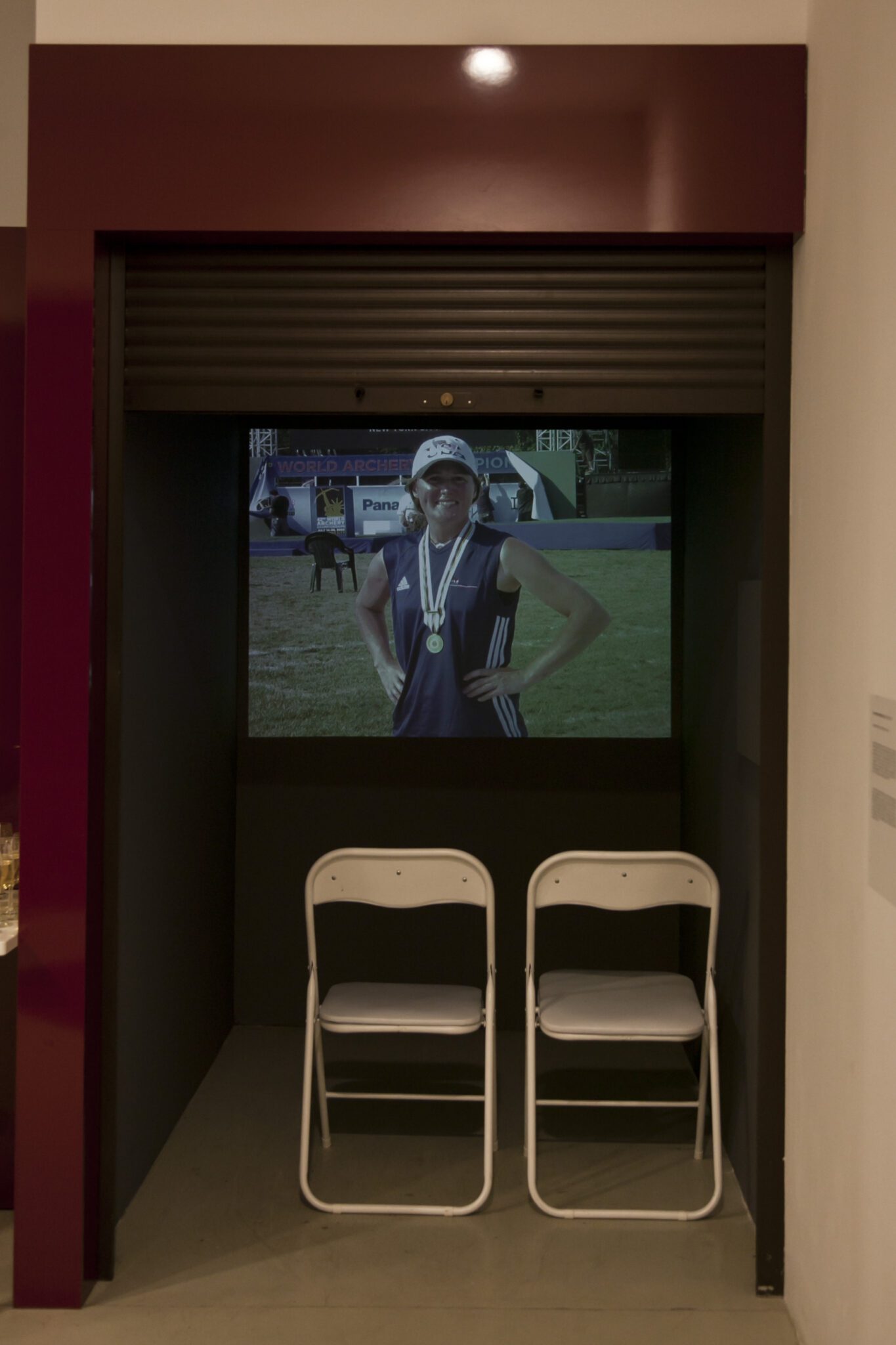
Specific times bring about new barriers which societies have to struggle with and to which artists’ sensitivity cannot remain indifferent. The current issue of migration and the calamity of refugees desperate enough to cross the border between Africa and Europe following their dream of a better life became an inspiration for the disturbing works of Hannimari Jokinen and Tomasz Kopcewicz. Julia Kurek in turn, in her reaction to the political situation of the corrupt Mexico, sometimes ruthless to its citizens, expresses her objection and solidarity with the oppressed, attacking the National Palace surrounded by a wall and an army with her bare hands. All in all, the lack of political stabilisation has an impact not only on communities, but also on the art world and the circulation of art works – especially if the display of Picasso’s masterpiece in the occupied Palestine with perturbations documented by Khaled Hourani is concerned.
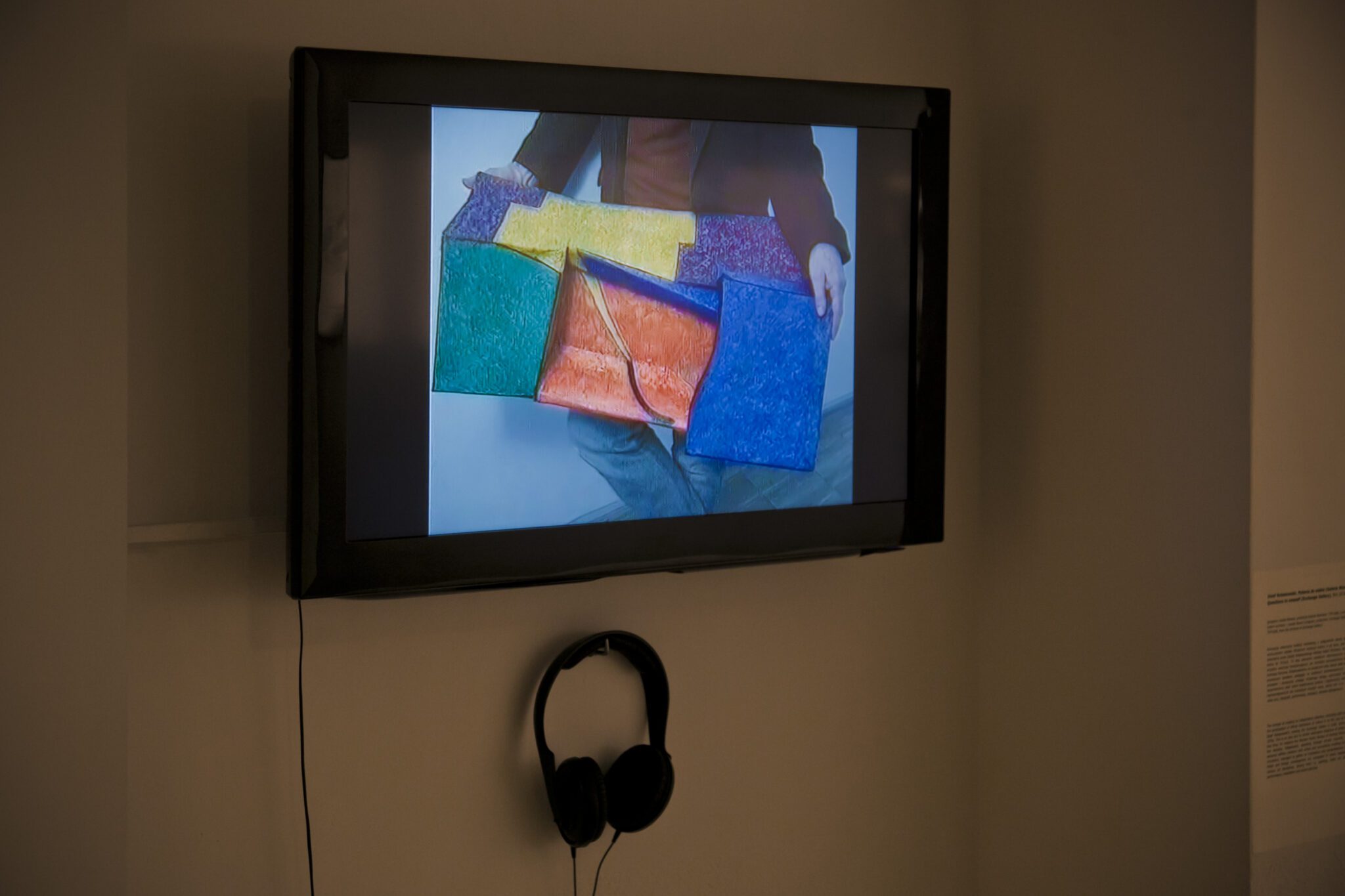
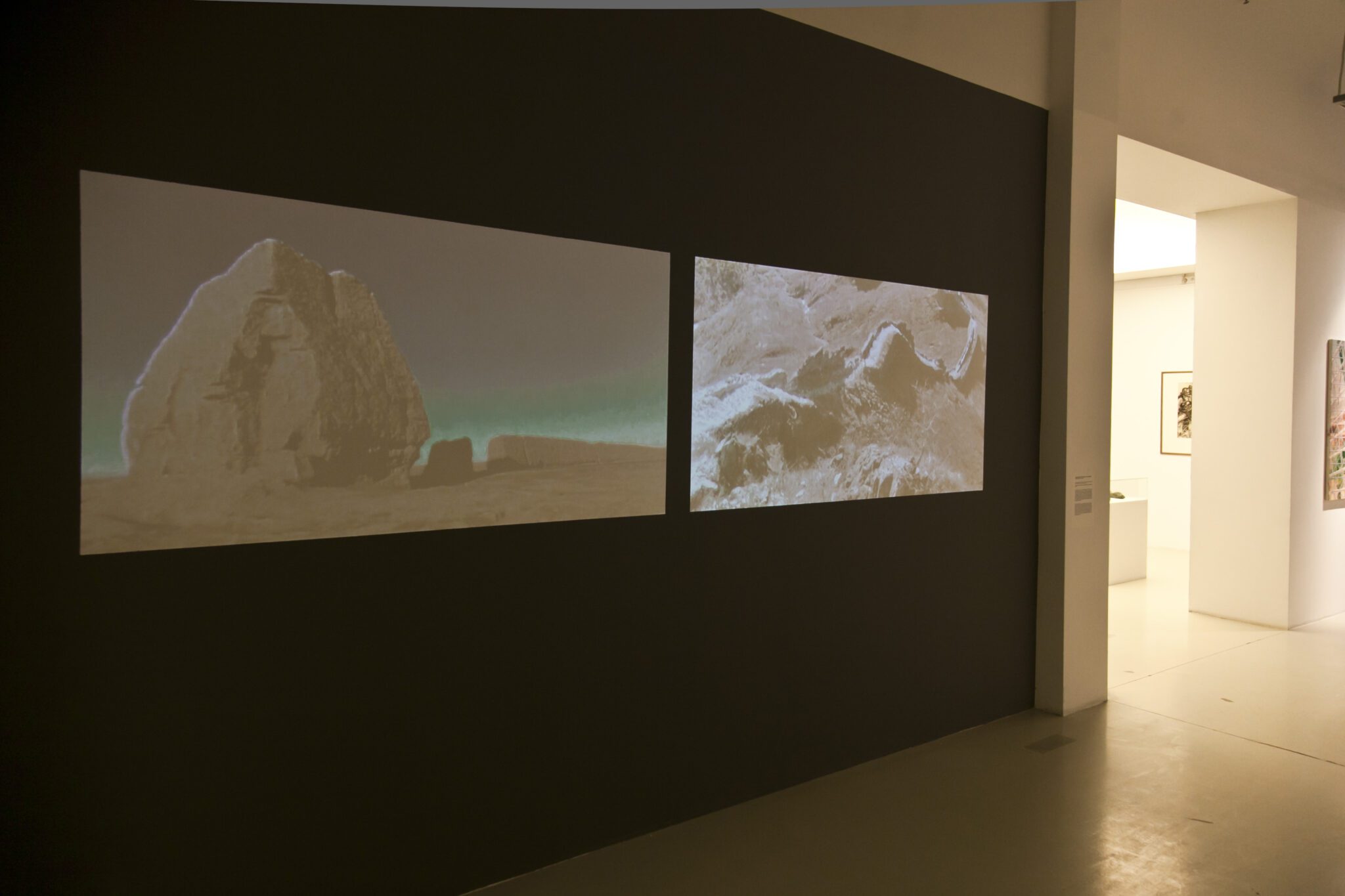
A successful manner of reducing divisions imposed by political, cultural or social systems lies in taming thereof. André Cadere marked out his own creative spaces by means of artistic objects, marking his autonomous territory. The protagonist of Lars Laumann’s film fell in love with the Berlin Wall associated with the ruthless regime as if it was a living person. On the other hand, Marina Abramović and Ulay symbolically used the greatest wall known to the world in order to finally end their long-lasting relationship.